
Tischler vs Schreiner vs Zimmermann: What Is the Difference?
Three German words that all get translated as “carpenter” – but only two of them are the same job. What each trade does, training pay in 2026, career paths and which one suits you if you are planning an Ausbildung in Germany.
Quick answer: Tischler and Schreiner are two regional names for the same trade – a joiner or cabinetmaker who builds furniture, doors, windows, stairs and interior fittings, mostly in a workshop. “Schreiner” is the usual word in southern and western Germany, “Tischler” in the north and east; the officially regulated training occupation is “Tischler/Tischlerin”. A Zimmermann (official title: Zimmerer/Zimmerin) is a different trade: a construction carpenter who builds roof structures, timber frames and wooden houses, mostly on building sites.
In English, a Tischler/Schreiner is a joiner or cabinetmaker; a Zimmerer is a carpenter in the structural sense, or a timber framer. The difference matters if you are applying for an Ausbildung: the two trades have different training contracts, different pay scales, different working conditions and different employers. This page sets them side by side. For the full application process, visa route and year-by-year budget, see our carpenter (Tischler) Ausbildung guide.
The Three Terms at a Glance
Tischler and Schreiner: One Trade, Two Names
Same job, same exams, same qualification – the difference is purely regional.
The word you hear depends on where you are. A furniture workshop in Munich or Stuttgart calls itself a Schreinerei; one in Hamburg or Berlin a Tischlerei. The guild organisations follow the same split, and job adverts use whichever term is local – so search for both when you look for training places. The training regulations and the journeyman’s certificate (Gesellenbrief) are the same nationwide.
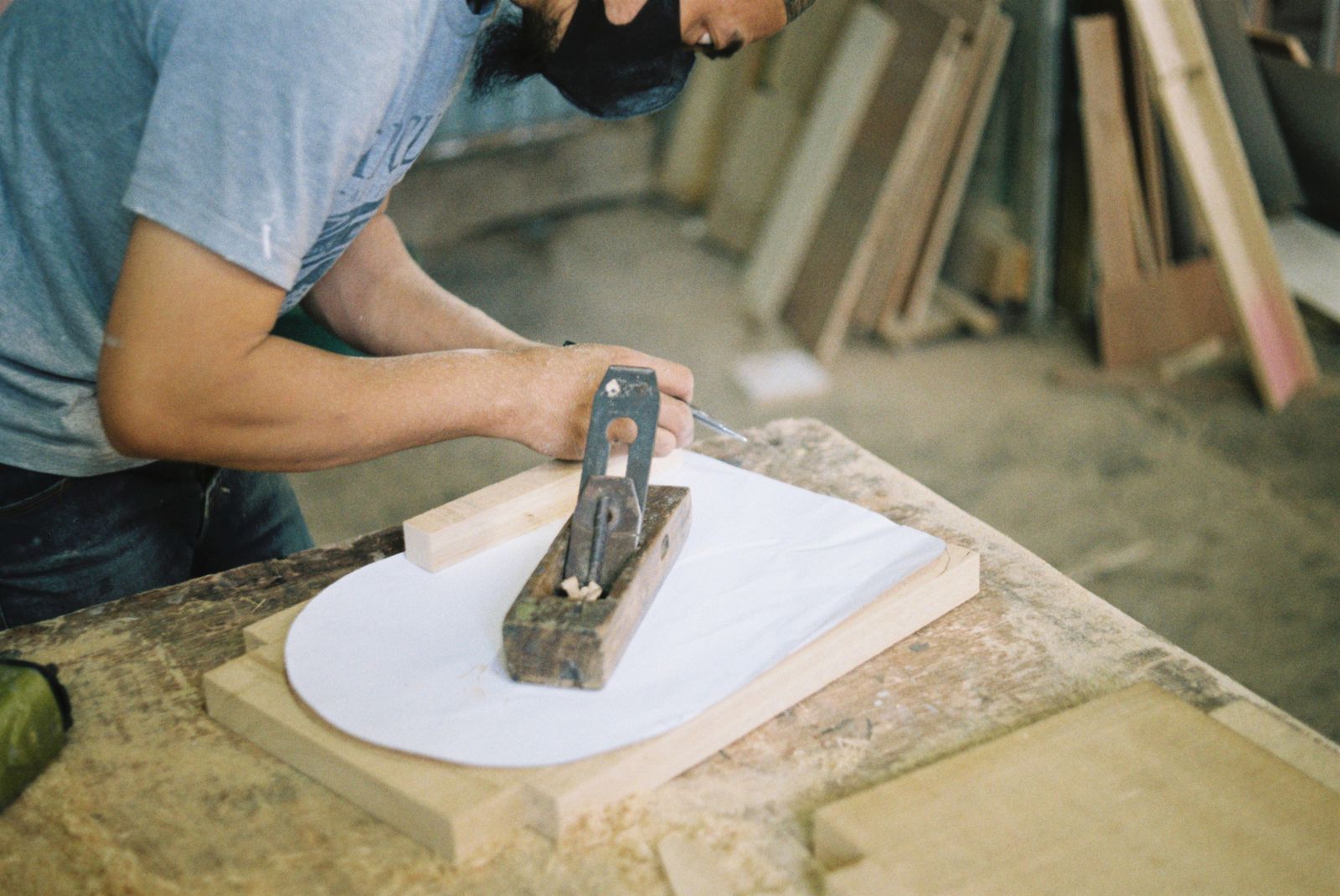
What a Tischler/Schreiner actually does
Planning and drawing pieces (increasingly in CAD), selecting and cutting solid wood and boards, operating saws, planers and CNC machines, assembling and surface-finishing, and fitting the finished work on site – kitchens, built-in wardrobes, shop fittings, doors, windows and staircases. Furniture restoration and boat interiors are smaller specialisms.
Holzmechaniker: the industrial cousin
If you see “Holzmechaniker” in an advert, that is a separate industrial training occupation focused on series production of furniture and building components in factories. It is closer to machine operation than to the custom craft work of a Tischler.
Zimmermann (Zimmerer): The Construction Carpenter
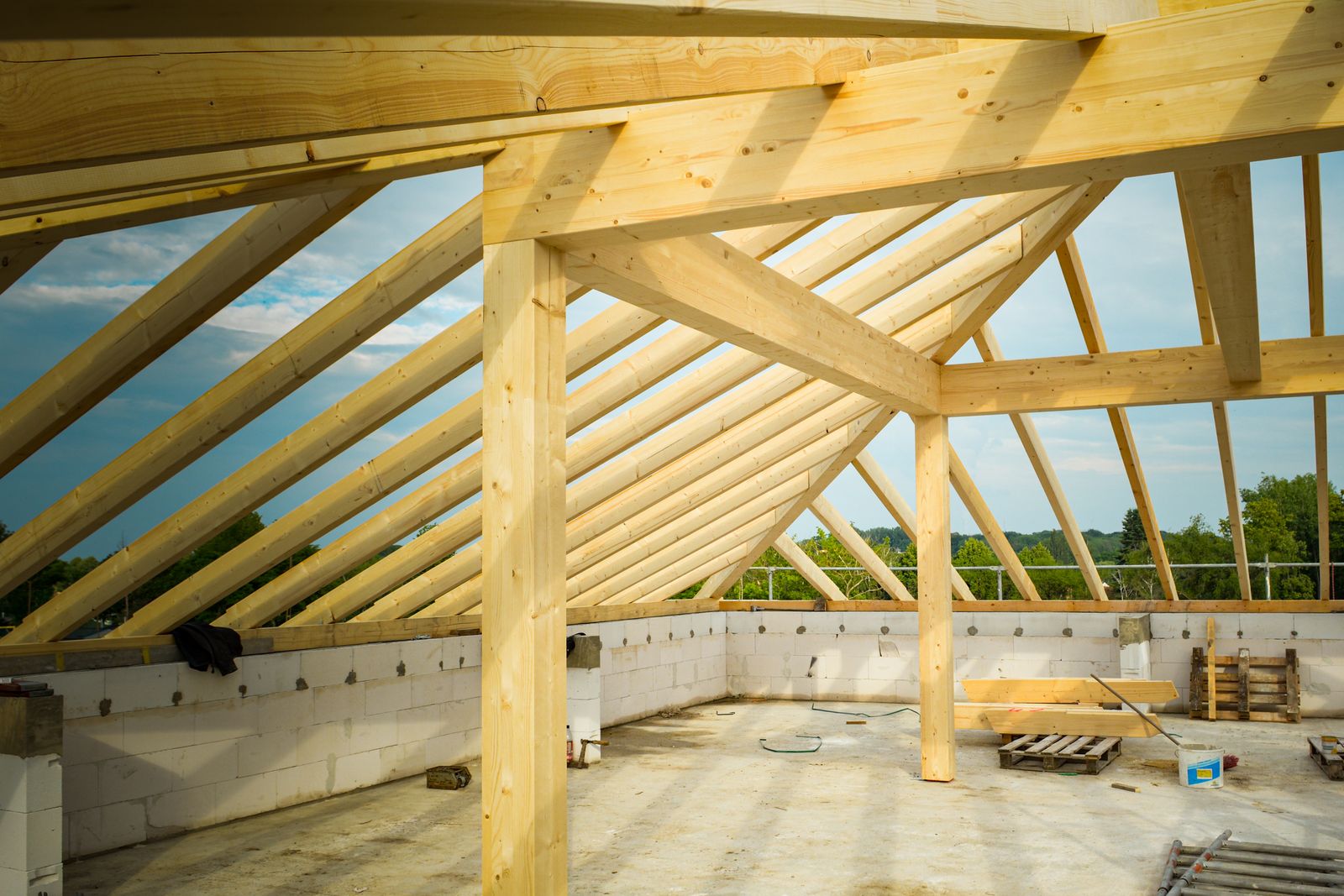
Zimmerer build the load-bearing timber parts of buildings.
A Zimmerer sets out, cuts and erects roof structures (Dachstuhl), timber-frame walls, ceilings, wooden stairs in new builds, extensions, dormers and complete prefabricated timber houses. Modern work starts at a computer: beams are often cut on CNC joinery machines from a 3D model, then assembled on site with cranes. Energy-efficient renovation – insulating and rebuilding old roofs – is a large and growing share of the work.
The job is physically harder than joinery: outdoor work in all seasons, heavy timber and regular work at height. In return, it sits in the construction industry, whose national agreements pay trainees noticeably more (see the pay table below).
Zimmermann or Zimmerer?
“Zimmermann” is the traditional everyday word; “Zimmerer/Zimmerin” is the official, gender-neutral name of the training occupation. They mean the same trade. The famous journeyman travels (die Walz), in which qualified craftsmen travel for years in traditional black clothing, are most associated with Zimmerer.

Training Pay in 2026: Construction vs Woodworking Craft
Training pay is set by collective agreements. Construction is national; Tischler pay varies by region.
All figures are gross per month under the relevant collective agreements; employers bound by them must pay at least these amounts, and some pay more. A training company outside an agreement can pay less, but not below the statutory minimum training allowance. Since April 2026 construction training pay is the same in eastern and western Germany.
After qualifying, pay depends on region, employer and specialisation. Journeymen in both trades typically start in the high-2,000s to low-3,000s euros gross a month, with Zimmerer often a little higher because of construction wage scales. The Federal Employment Agency’s Entgeltatlas shows current median pay for each occupation and region.
Day-to-Day Work Compared
Career Paths After the Ausbildung
For Tischler/Schreiner
Specialise in kitchen and interior fit-out, windows and doors, shop fitting, restoration or CNC programming; become a Meister (master craftsman), which allows you to train apprentices and run your own workshop; or move into a state-certified technician course (Holztechnik) or a degree in wood technology or interior architecture.
For Zimmerer
Move up to foreman (Vorarbeiter) and site supervisor (Polier), become a Meister, specialise in timber-frame and prefabricated construction or energy-efficient roof renovation, or study timber engineering or civil engineering. Demand for timber construction is rising with sustainability rules in the building sector.
Both trades are on Germany’s long-running list of occupations with shortages of skilled workers in many regions, which is why employers recruit trainees from abroad – see our overview of Ausbildung trades and salaries.
Which Trade Suits You? A Simple Decision Guide
Choose Tischler/Schreiner if you like detailed, precise work, design and finishing, prefer working indoors, and enjoy seeing a finished piece of furniture or a fitted kitchen.
Choose Zimmerer if you prefer physical outdoor work, are comfortable at height, like large structures and teamwork on site, and want the higher construction-industry training pay.
Either way you will need roughly B1 German (B2 makes contracts and vocational school much easier), a school-leaving certificate, and a training contract with a German employer before you apply for the training visa.
Living costs: if your training pay is below the amount the German mission requires you to prove for living costs, you must cover the gap – for example with a blocked account.
How International Applicants Get a Training Place
Learn German to B1
Most companies interview in German. Start early – this is the longest step. Our German exam preparation page explains the certificates.
Search under both names
Search ‘Tischler’ and ‘Schreiner’ (or ‘Zimmerer’) on the Federal Employment Agency job portal, regional chambers of crafts (Handwerkskammer) and company websites.
Apply with a German CV
Include school certificates, any practical woodworking experience and photos of your own work if you have them.
Sign the training contract
The contract is registered with the chamber; it is the key document for the visa.
Apply for the training visa
Apply at the German mission with the contract, language certificate and proof of living costs. See Ausbildung in Germany for the full route.
Tischler vs Schreiner vs Zimmermann: What Is the Difference? at a Glance
Common Mistakes Applicants Make
Frequently Asked Questions
There is none in the work itself. Both words describe the same regulated trade – a joiner or cabinetmaker. ‘Schreiner’ is common in southern and western Germany, ‘Tischler’ in the north and east; the official training occupation is called Tischler/Tischlerin.
A joiner or cabinetmaker – someone who builds furniture, fitted kitchens, doors, windows and stairs, mainly in a workshop.
A Schreiner (Tischler) makes furniture and interior woodwork, mostly in a workshop and to the millimetre. A Zimmermann (official title Zimmerer) builds the load-bearing timber parts of buildings – roof structures, timber frames and wooden houses – mostly on building sites.
During training, Zimmerer usually earn more because construction-industry agreements apply: EUR 1,122, 1,351 and 1,610 a month in the three years from April 2026, compared with roughly EUR 825-970 in the first year for Tischler depending on the region. After qualification the gap is smaller and depends on employer and region.
Both take three years in the German dual system, combining paid work in a company with vocational school. Strong performance can sometimes shorten training.
Yes. You need a training contract with a German employer, usually B1 German or better, a recognised school-leaving certificate and proof that you can cover your living costs. You then apply for a vocational training visa at the German mission.
Official Sources We Checked
Last reviewed 5 October 2026. Training pay is taken from the published 2026 collective agreements for construction and for the regional Tischler trade; your employer’s contract states your actual pay.
Related Guides & Services
Talk to an Admission Germany Counsellor
Deciding between joinery and construction carpentry? Tell us your background and German level and a counsellor will explain which trade and which regions give you the best chance of a training contract.
Request Free Guidance
Share your details and a counsellor will call you back.
By submitting, you agree to be contacted by our counselling team.