
Roofer Ausbildung in Germany: Complete 2026 Guide
Dachdecker — Germany’s official roofing trade — combines steady, genuine demand with some of the strongest post-qualification pay of any construction trade. Here is exactly what it pays, what it takes to qualify, and how international applicants get a training contract signed.
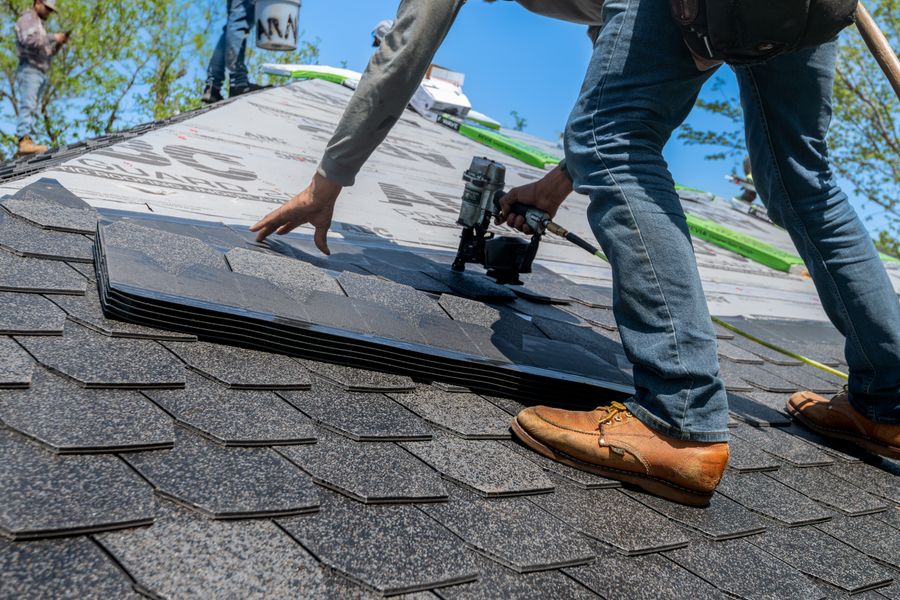
Dachdecker — the German roofing trade — covers far more than laying tiles: waterproofing, insulation, facade cladding, and increasingly rooftop solar panel installation, which Germany’s renewable-energy buildout has turned into one of the fastest-growing parts of the job. It is physically demanding, genuinely well-paid, and consistently flagged as one of the most short-staffed construction trades in the country.
For international applicants specifically, that shortage is a real, practical advantage: roofing companies across Germany actively recruit and sponsor foreign Azubis, and the trade’s post-qualification pay ceiling is among the highest of any construction-sector Ausbildung. This guide covers real training pay, eligibility, the visa route, and how to find an employer.
What the Training Actually Covers
A 3-year dual Ausbildung covering roofing, waterproofing, insulation and increasingly solar installation.
Dachdecker training runs 3 years under the dual system: the large majority of the week on real roofing sites with a company, one to two days a week at a Berufsschule covering materials science, structural basics, safety regulations for working at height, and building-envelope technology including insulation and waterproofing systems.
The training ends with a Gesellenpruefung (journeyman’s exam) set by the regional Chamber of Trade (Handwerkskammer). Passing it makes you a fully qualified, nationally recognised Dachdecker/in — a credential every German construction employer recognises identically, and one of the more physically respected trades in the country given the demands of the work.
Training Salary, Year by Year
One of the higher-paying construction trades both during training and after qualification, reflecting the physical demands and acute shortage.
Post-qualification pay climbs quickly with experience and specialisation: roofers who move into solar/photovoltaic installation, a genuinely booming sub-specialisation as Germany expands rooftop solar nationwide, or into steep-slope and heritage roofing work, commonly earn EUR3,500-4,200. A Meister (master craftsman) running their own roofing business regularly clears EUR4,500 and above, among the highest ceilings of any skilled trade covered on this site.
The physical nature of the work — working at height, in all weather, with genuine safety responsibility — is directly reflected in the pay premium compared with indoor trades, and is worth weighing honestly against your own physical comfort before committing to this specific trade over an alternative.
Who Can Apply: Eligibility for International Candidates
No university degree needed — genuine physical fitness matters more for this trade than most.
A completed school qualification broadly equivalent to German Hauptschule/Realschule (10 years of schooling is generally sufficient)
German language ability of at least A2, ideally B1, before applying to companies
Genuine comfort working at height, outdoors, and in variable weather conditions — this matters more here than for most other trades
Good physical fitness and no vertigo or fear of heights that would affect safety on-site
No prior roofing experience required — the trade is taught fully from scratch during the Ausbildung


The Ausbildungsvisum: How the Visa Route Works
The same Section 16a training-visa route as every other Ausbildung trade.
Reach at least A2, ideally B1, German first
On-site safety instructions and Berufsschule theory both depend on genuine comprehension, not just interview-level phrases.
Apply directly to roofing companies
Handwerkskammer job boards, the Bundesagentur fuer Arbeit’s Ausbildung portal, and direct outreach to regional Dachdeckerbetriebe (roofing firms) are the main channels.
Apply for the Ausbildungsvisum (Section 16a residence permit)
Once you hold a signed Ausbildungsvertrag, apply at your nearest German embassy or consulate.
Arrange proof of funds if needed
Where the training salary alone does not cover living costs, a blocked account (Sperrkonto, currently around EUR11,904/year) fills the gap.
Travel, register, and begin
Complete address registration (Anmeldung) and start the dual programme — company site work plus Berufsschule.
Day-to-Day Work and the Solar Specialisation
Traditional roofing, waterproofing/insulation, and rooftop solar are the three broad tracks most Dachdecker develop expertise across.
Traditional pitched-roof work (tiles, slate, metal roofing) remains the core of the trade, alongside flat-roof waterproofing and insulation work that has grown substantially as Germany tightens building energy-efficiency standards. Facade cladding, particularly on new-build and renovation projects, is a closely related skill most Dachdecker pick up alongside core roofing work.
Rooftop solar (photovoltaic) installation has become one of the fastest-growing parts of this trade as Germany continues its renewable-energy buildout, and many roofing companies now train apprentices specifically toward solar mounting-system installation as a distinct, higher-demand specialisation — genuinely worth raising directly with a prospective employer if it interests you.
How to Actually Find a Training Company
Direct outreach to regional roofing firms, backed by genuine physical readiness, gets faster results than passive applications.
Start with your target region’s Handwerkskammer Ausbildung portal, which lists currently open Dachdecker apprenticeship seats and is free to use. The Bundesagentur fuer Arbeit’s job board separately lists Ausbildung-specific openings by trade and region. Because roofing companies are acutely short-staffed nationally, a direct, well-targeted email — CV, a short motivation letter that honestly addresses the physical/outdoor nature of the work, and any German language certificate you hold — to five to ten regional firms tends to get faster, more personal responses than a large-portal application.
Being upfront in your application about genuine comfort with heights and outdoor physical work is worth doing explicitly — it is the single most common reason companies hesitate on international applicants for this specific trade, and addressing it directly and honestly builds real trust with a hiring company.
German Language: What Level You Actually Need
A2 minimum, with safety-critical, at-height work pushing most companies toward wanting a solid B1.
Working at height as part of a team means safety instructions must be understood correctly and immediately — a genuine reason many roofing companies prefer a stronger German level than trades with less immediate physical-safety stakes. Berufsschule theory covering materials, structural principles and safety regulation is entirely in German and is examined throughout the 3 years.
Our German language exam preparation guide covers building and certifying A2/B1 ability before you start applying — a certified level on your CV materially improves your chances with safety-conscious roofing employers specifically.
Budgeting While You Train
One of the better-paying construction trades during training, which gives real breathing room even in higher-cost cities.
A year-one training salary of EUR900-1,100 comfortably covers shared accommodation (typically EUR300-450 a month outside the most expensive cities) plus food and transport in most German regions, with a genuine margin left over — a meaningfully easier starting position than some lower-paying trades. In premium cities like Munich or Frankfurt the margin narrows but remains workable given the trade’s above-average training pay.
Mandatory health insurance (around EUR100-140 a month, often partly subsidised), a discounted Azubi-Ticket for public transport, and work-specific costs such as steel-toe boots and weather gear (frequently provided or subsidised by the employer given the outdoor nature of the work) are the main recurring items beyond rent to plan around.
Ausbildung vs University: Which Fits You Better
Both are genuinely valid, well-respected German pathways — the right choice depends on how you want to spend the next several years.
An Ausbildung pays you a real salary from day one and leads to a nationally recognised trade qualification in 3 years, typically with strong job security given the shortage. A university degree (see our Masters in Germany guide) takes longer and usually costs more in living expenses before you start earning, but opens roles specifically requiring an academic qualification.
If you genuinely enjoy physical, outdoor, hands-on work and want strong pay with one of the highest ceilings among skilled trades, roofing is a serious, well-paid career choice on its own merits — not a fallback from an academic path. It suits candidates who value visible, tangible daily results and do not mind working in variable weather over a purely indoor career.
Where Demand Is Strongest Right Now
The shortage is nationwide, with solar-installation demand concentrated in a few fast-growing regions.
Bavaria and Baden-Wuerttemberg report the strongest combined roofing and rooftop solar installation demand, driven by high rates of private and commercial solar adoption alongside a large existing building stock. North Rhine-Westphalia, Germany’s most populous state, simply has the largest absolute number of open Dachdecker seats given its construction volume.
Eastern German states again show a proportionally sharper gap between open seats and available apprentices, which can translate into faster, less competitive placement for an international candidate genuinely flexible on location, even if the solar-specialisation opportunities there are currently fewer than in the south.
Life After Qualification: Career Path and Long-Term Value
One of construction’s highest pay ceilings, with a clear route to running your own business.
A completed, nationally recognised Dachdecker qualification is a direct route to a long-term German work permit and, over time, permanent residency. Post-qualification progression typically runs: qualified journeyman (Geselle) building two to three years of experience, then either specialising further (solar installation, heritage/steep-slope roofing, project supervision) or pursuing the Meister qualification, which qualifies you to run your own roofing company and train your own apprentices — the single biggest jump in earning potential inside this trade.
The physical demands of roofing work do mean career longevity planning matters more here than in some other trades: many experienced Dachdecker deliberately move toward supervisory, estimating, or Meister-level running-the-business roles in their later career specifically to manage the physical toll of decades of at-height work — a realistic, well-paid long-term path rather than a limitation.
Roofer Ausbildung in Germany: Complete 2026 Guide at a Glance
Common Mistakes Applicants Make
Frequently Asked Questions
Officially Dachdecker/in. It covers pitched and flat roofing, waterproofing, insulation, facade cladding, and increasingly rooftop solar panel installation.
3 years under the dual system, split between paid on-site work with a company and vocational school (Berufsschule).
Training salary starts around EUR900-1,100 in year one and rises to EUR1,150-1,500 by the final year — one of the higher-paying construction trade apprenticeships.
Typically EUR2,800-3,600 per month starting out, rising to EUR3,500-4,200 with specialisation in solar installation or heritage roofing, and higher still with the Meister qualification.
No. This is a vocational route open to anyone with a school qualification broadly equivalent to 10 years of schooling; the trade is taught fully from scratch.
Yes, genuinely — working at height, outdoors, in variable weather is central to the job. Comfort with heights and physical fitness matter more for this trade than most others covered on this site.
Yes — Dachdecker is consistently flagged as one of Germany’s most short-staffed construction trades, and companies actively recruit and sponsor international Azubis, particularly toward the growing solar-installation specialisation.
Bavaria and Baden-Wuerttemberg lead on combined roofing and solar-installation demand given high solar adoption rates; North Rhine-Westphalia simply has the largest number of open seats given its size, and eastern states show a proportionally sharper general shortage.
It is worth being honest with yourself before signing a contract — genuine discomfort with height is one of the few reasons apprentices leave this specific trade partway through. A trial day or short work-shadowing visit with a prospective employer before committing is a reasonable way to check.
Related Guides & Services
Talk to an Admission Germany Counsellor
Tell us your current qualification and German level, and we will tell you honestly how close you are to a signed Dachdecker training contract.
Request Free Guidance
Share your details and a counsellor will call you back.
By submitting, you agree to be contacted by our counselling team.