
If you’re planning a carpentry Ausbildung in Germany, congratulations — you’re choosing a trade with deep craft traditions, excellent job security, and broad career options. This long-form guide will walk you through the best kinds of companies and organisations to train with, how to choose the right employer, what to expect from the Ausbildung, application tips, and how to turn an apprenticeship into a successful long-term career. I’ve written this as a practical professional blog post aimed at clarity and usefulness: clear headings, neat paragraphs, and no links — just the facts and advice you need.
Why the choice of company matters
Choosing the right training company is one of the most important decisions you’ll make in your Ausbildung. The company you train with determines:
- Hands-on experience quality. Carpentry is a practical craft; the variety and complexity of tasks you perform daily shape your competence.
- Mentorship and supervision. A skilled, patient trainer (Ausbilder) makes learning faster and more enjoyable.
- Breadth of skills. Some companies focus on traditional timber framing (Zimmerei), others on fine furniture and interiors (Tischlerei/Schreinerei), and some combine workshop-based joinery with on-site construction. The employer sets what you’re exposed to.
- Certification and support. Reputable employers coordinate with the local Chamber of Crafts (Handwerkskammer) and vocational school (Berufsschule), ensuring exam preparation and release time for classes.
- Future prospects. The company becomes a reference, and many apprentices are offered full-time positions after qualification.
Because of these factors, the right employer isn’t just about prestige or size — it’s about fit: mentorship, the type of carpentry you want to practise, and the learning environment.
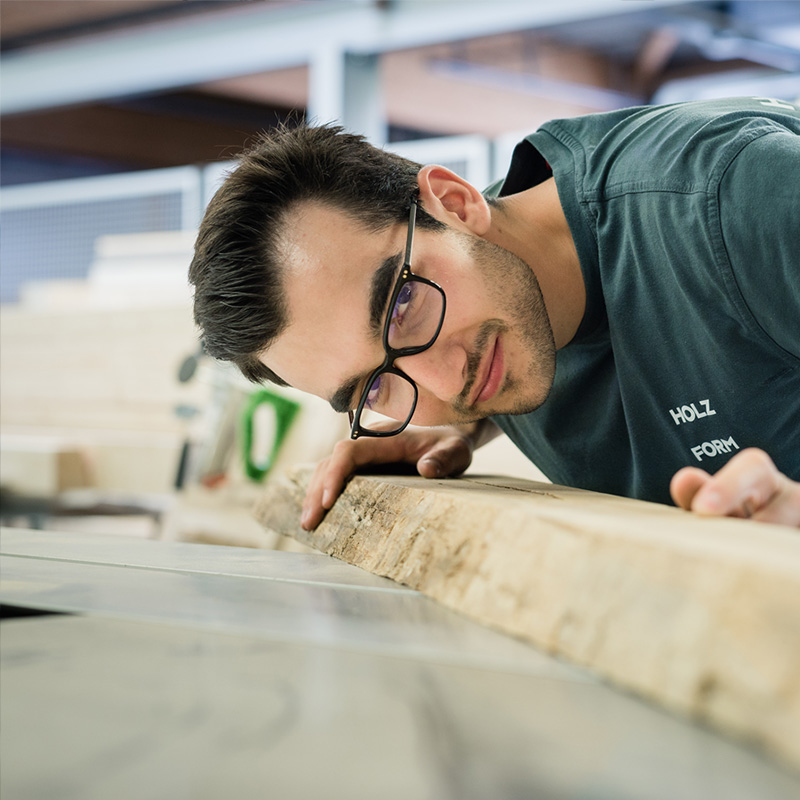
Types of companies and organisations that offer outstanding carpentry Ausbildung
Rather than naming a fixed set of “best companies” (which can change by region and over time), it’s more helpful and realistic to rank types of employers. Each type has strengths and trade-offs. Below I explain the most valuable categories to consider and why many apprentices choose them.
1. Traditional master carpentry workshops (Meisterbetriebe / local Schreinereien)
What they are: Small to medium-sized family-run joineries and carpentry shops where a Master Carpenter (Meister) runs production.
Strengths:
- Very hands-on training — you’ll get direct, continuous supervision.
- Exposure to a wide range of tasks: furniture making, bespoke cabinetry, window and door construction, and finishing techniques.
- Strong focus on craft standards and pride of workmanship.
- Close mentoring relationship; easier to get responsibility and creative involvement early.
Trade-offs:
- May have limited access to large construction projects or industrial machinery.
- Smaller salary and fewer formalised training structures than big firms, but very strong practical skills.
Who it suits: Apprentices who want to become master joiners, furniture designers, restorers, or run their own workshop in the future.
2. Timber-frame and roof carpentry firms (Zimmereien)
What they are: Companies that specialise in structural timber work — roof trusses, timber-frame houses, renovation of historical structures, and on-site erection.
Strengths:
- Strong on-site, large-scale structural carpentry skills.
- Experience with construction sites, collaborating with other trades, and reading complex plans.
- Often provides training on modern timber-engineering techniques and prefabrication.
Trade-offs:
- Less focus on fine furniture or shop-based joinery; more heavy carpentry and site work.
- Work may be seasonal and often outside/on site.
Who it suits: Apprentices who like physical work, enjoy construction sites, and want to work in house building or heritage timber restoration.
3. Furniture manufacturers and industrial joinery
What they are: Larger companies producing furniture, kitchens, or large interior components at industrial scale.
Strengths:
- Exposure to modern CNC machines, production lines, and industrial processes.
- Understanding of production planning, quality assurance, and material optimisation.
- Potentially higher apprentice wages and clearer advancement paths into technical or managerial roles.
Trade-offs:
- Work can be repetitive and focused on parts of the process rather than the full piece.
- Less opportunity to learn hand-finishing or bespoke joinery techniques.
Who it suits: Apprentices aiming for technical expertise in machine operation, production engineering, or employment in larger manufacturing contexts.
4. Specialist restoration and conservation workshops
What they are: Small specialist firms that restore historical timber structures, antique furniture, or listed buildings.
Strengths:
- Deep training in traditional methods, historical materials, hand tools, and conservation ethics.
- A rare skill set valued by museums, historical societies, and high-end restoration projects.
Trade-offs:
- Limited number of apprenticeships and often very competitive.
- Work may be slower-paced with fewer full-time positions locally; often project-based.
Who it suits: Apprentices passionate about history, antiques, cultural heritage, and traditional craftsmanship.
5. Construction contractors and building companies
What they are: Large contractors that handle entire building projects; they may have internal carpentry crews or subcontract carpenters.
Strengths:
- Exposure to multi-trade coordination, big projects, and varied site-based carpentry tasks.
- Clear progression possibilities within a larger company (site foreman, project manager).
Trade-offs:
- Apprentices might rotate across many tasks and not focus deeply on refined joinery.
- Bureaucracy and less personal mentorship than small workshops.
Who it suits: Apprentices aiming for a broad construction career, including site management or contract work.
6. Architectural joinery and bespoke interior firms
What they are: Firms that design and produce high-end interiors for hotels, offices, and private clients, often blending design and craft.
Strengths:
- Learning about high-precision joinery, client communication, and integrated design-build workflows.
- Opportunity to collaborate with architects and interior designers.
Trade-offs:
- Often niche and concentrated in urban centers; apprenticeships can be competitive.
- Expect high standards and attention to micrometer-level tolerances.
Who it suits: Apprentices interested in design-led carpentry, high-end furniture, and custom interior solutions.
7. Public-sector and municipal workshops (Gemeindewerkstätten, vocational schools with workshops)
What they are: Municipal workshops, vocational education centres, and some larger trades unions or educational institutions that offer in-house apprenticeships.
Strengths:
- Structured training with strong ties to Berufsschule and Handwerkskammer oversight.
- Good for apprentices who prefer predictable hours and strong formal training frameworks.
Trade-offs:
- May lack the entrepreneurial or commercial exposure of private firms.
- Variety of projects might be limited to municipal needs.
Who it suits: Apprentices who value structure, steady oversight, and predictable progression.

What “best” actually means — criteria to rank employers
When someone asks for the “best” Ausbildung companies, they usually mean employers that score high across multiple dimensions. Use the following criteria to judge potential training companies:
- Qualified Ausbilder and Meister presence — The company should have a registered trainer (Ausbilder) ideally with a Meister qualification who actively mentors apprentices.
- Variety of practical tasks — The best companies rotate apprentices through different workstations (cutting, assembly, finishing, on-site installation) so skills are broad.
- Workshop facilities and equipment — Access to up-to-date tools (hand tools and power tools), CNC machines (if industrial focus), and safety equipment matters for modern training.
- Integration with Berufsschule and exams — Companies that plan study time, offer exam prep, and coordinate with vocational schools improve apprentice pass rates.
- Career development — Apprenticeship-to-employment conversion rate, support for Meisterschule, and clear progression paths.
- Work environment and culture — Respectful treatment, good safety culture, and fair working hours signpost a quality employer.
- Wages and benefits — While wages vary by region and company size, transparent pay and legally compliant benefits are important.
- Project complexity and client exposure — The best training experiences include exposure to design, client briefs, and real project management.
- Reputation with the Handwerkskammer — Companies in good standing with the Chamber and with a record of successful apprentices are more reliable.
Use these to compare offers and during interviews ask direct questions tied to these criteria.
How to find the right company (practical steps you can take today)
You asked for a blog-style answer, so here’s a practical checklist you can use when searching and applying.
Step 1 — Decide your carpentry focus
Ask yourself: Do you prefer structural timber work (Zimmerei), fine furniture and interiors (Tischlerei/Schreinerei), production manufacturing, or restoration? Your answer narrows down ideal employer types.
Step 2 — Make a regional plan
Germany’s demand for carpenters is strong nationwide, but specialisations cluster by region:
- Urban areas and design hubs often host architectural joineries and high-end interior firms.
- Regions with a strong construction industry have many Zimmerei and building contractors.
- Historical city centres offer restoration workshops.
Be willing to travel or relocate if you target a niche employer.
Step 3 — Target companies and send tailored applications
When approaching companies, customise your application letter:
- State why you want carpentry and the specific focus you like.
- Highlight any relevant experience (DIY, school projects, woodwork classes).
- Ask about training structure, the presence of a Meister, and chances of employment after Ausbildung.
Step 4 — Interview questions to ask employers
During interviews or workplace visits, ask:
- Who will be my trainer and what are their qualifications?
- How many apprentices are currently training and what tasks do they rotate through?
- Will I be released for vocational school and exam preparation?
- How often will I do on-site work vs. workshop work?
- What is the typical pay progression for apprentices here?
Step 5 — Confirm formalities
Once offered a position, confirm:
- A contract of training (Ausbildungsvertrag) is in place and registered with the Chamber of Crafts.
- Working hours, probation period, and leave entitlements are clear.
- Vocational school schedule and exam milestones are agreed.
What to expect during a carpentry Ausbildung (structure & timeline)
A standard carpentry Ausbildung in Germany typically lasts 3 years (sometimes 2.5 to 3.5 years depending on school performance and company arrangements). The program combines workplace training with vocational school (Berufsschule) and ends with a final exam (Gesellenprüfung).
Typical rhythm
- On-the-job training: 3–4 days per week at the company (varies).
- Vocational school: 1–2 days per week learning theory (materials science, drawing/technical drawing, math, workplace safety).
- Exams: Intermediate (mid-apprenticeship) assessments and final journeyman (Geselle) exam.
Core skills you’ll learn
- Reading and interpreting technical drawings and blueprints.
- Precision measuring, marking out, and layout.
- Joinery techniques: dovetail, mortise-and-tenon, dowelled joints.
- Machine operation: planers, table saws, CNC (if available).
- Surface preparation and finishing: sanding, staining, lacquering.
- Structural carpentry: roof trusses, formwork, site erection (for Zimmerei).
- Health and safety, legal requirements, and client communication.
Salary expectations and living considerations
Apprentice wages vary by state, employer size, and union agreements. Generally, expect a rising scale across the three years: first year is lowest, with increases each subsequent year. Salaries are enough to cover basic living costs in many towns, but in large cities you’ll need budget planning or shared housing. Some employers offer additional perks such as travel allowances, safety gear, and exam fee support.
Turning apprenticeship into a career: progression routes
Completing your Ausbildung opens multiple paths:
- Employment with your training company — Many employers retain successful apprentices as journeymen (Gesellen).
- Master craftsman (Meister) — After working experience, you can attend Meisterschule and become a certified master with the right to train apprentices and run a company.
- Specialisation courses — Further qualifications in CNC programming, CAD/CAM, heritage restoration, or interior fit-out.
- Self-employment — The Meister title or sufficient experience allows you to start your own workshop.
- Higher education — There are pathways to technical colleges and degree programs that accept practical trade qualifications.
What top training companies do differently — qualities that distinguish the very best employers
If you can find an employer that combines many of the following, you’ll be in an excellent Ausbildung:
- Structured training plan — Weekly and monthly rotations, documented learning objectives, and scheduled mentor check-ins.
- Investment in equipment and safety — A modern shop and clear safety training signal a serious trainer.
- Freedom to experiment — Apprentices are encouraged to develop their own small projects to practise design and finishing.
- Cross-disciplinary exposure — Work with designers, architects, or site managers gives a holistic perspective.
- Exam support — Employers who arrange internal mock exams, study groups, and time off for revision show commitment.
- Transparent wages and prospects — Clear information on wage progression and post-apprenticeship roles.
- Cultural fit — Respectful, collaborative teams with a learning culture.
When you interview, try to identify these signals.
Common mistakes apprentices make when choosing a company — and how to avoid them
- Choosing the highest wage over training quality. Short-term money is tempting but pay attention to the tasks and learning opportunities.
- Overlooking the trainer. If the Ausbilder is too busy, absent, or inexperienced, your learning will suffer.
- Not checking Chamber registration. Ensure your Ausbildungsvertrag will be registered with the relevant Handwerkskammer.
- Ignoring work-life balance. Some sites expect long hours; ask about typical days.
- Failing to ask about exam preparation. If the company doesn’t support exam time, your final result could be jeopardised.
Avoiding these mistakes will keep your Ausbildung on track.
Practical application tips (cover letter, CV, and interview)
Cover letter (short and focused):
- One page. State why you want carpentry, the focus area, and a concrete quote about any hands-on experience.
- Mention language skills (German level is important) and your willingness to relocate if needed.
CV highlights:
- Education, internships, DIY projects, tool familiarity.
- Any volunteer or school workshop experience.
- Contactable references (teachers, previous employers).
Interview tips:
- Bring a small portfolio if you have projects or photos.
- Dress practically but neatly (work-appropriate clothing).
- Ask meaningful questions about training structure and mentor experience.
- Show enthusiasm and willingness to learn.
Everyday life as an apprentice — a realistic snapshot
Mornings may start with tool prep and measuring; mid-day often involves team assemblies and on-site installations; afternoons can include finishing and cleanup. Vocational school days include technical drawing, material science, and German-language industry terminology classes. Expect physical work, early starts sometimes, and tangible progress as pieces take shape—this is craft work you can be proud of.
Soft skills that will set you apart
Beyond technical skill, cultivate:
- Attention to detail
- Problem-solving and adaptability
- Team communication
- Punctuality and reliability
- Client-friendly attitude
- Willingness to learn from criticism
Employers prize apprentices who are reliable, curious, and communicative.
FAQs (short, practical answers)
Q: How competitive are carpentry apprenticeships?
A: It depends on region and focus. High-end interior and restoration apprenticeships are competitive; local master workshops and timber firms often have regular intake.
Q: Do I need German fluency?
A: Basic German is essential for vocational school and safety instructions. Many employers expect B1-level or higher, though some companies will accept lower levels if you show willingness to study.
Q: Can I switch from a different apprenticeship into carpentry?
A: Yes — with employer agreement and possibly extra training time. Speak with the Chamber and your vocational school for formal steps.
Final checklist: choosing the right Ausbildung company for carpentry
Before you accept an apprenticeship, confirm these points:
- The company has a registered Ausbildungsvertrag with the Chamber.
- A qualified Meister or trainer will supervise you.
- You’ll receive a documented training plan and rotation schedule.
- The company supports vocational school and exam preparation.
- Pay, hours, leave, and probation details are clear and written.
- You can see examples of previous apprentices’ progression or talking references.
- The workshop environment feels safe, respectful, and focused on learning.
Closing thoughts — craft, career, and long-term value
Choosing the right company for your carpentry Ausbildung is a long-term investment in a hands-on, resilient career. The ideal employer gives you a firm technical foundation, a supportive trainer, and a view of future progression — whether that’s becoming a master, a specialist, or running your own shop. Think carefully about the kind of carpentry you want to practise, prioritise mentorship over immediate perks, and use the practical steps in this blog to evaluate offers.