
What Does a Roofer Do in the German Ausbildung Program?
Roofer Ausbildung in Germany
Germany’s vocational training system, known as Ausbildung, is one of the most respected dual-education models in the world. Among the many technical and craft professions available, Roofer (Dachdecker) Ausbildung stands out as a stable, skilled, and high-demand career. Roofers play an essential role in the German construction industry, ensuring that homes, commercial buildings, and industrial structures remain safe, energy-efficient, and weather-resistant.
If you are considering applying for a roofer Ausbildung in Germany—or simply want to understand what a roofer actually does—this detailed blog will help you. Here, you will learn about the daily tasks, responsibilities, training structure, skills needed, working conditions, tools used, salary expectations, career opportunities, and why this field is becoming increasingly attractive to international applicants.
1. Introduction to the Roofer Profession in Germany
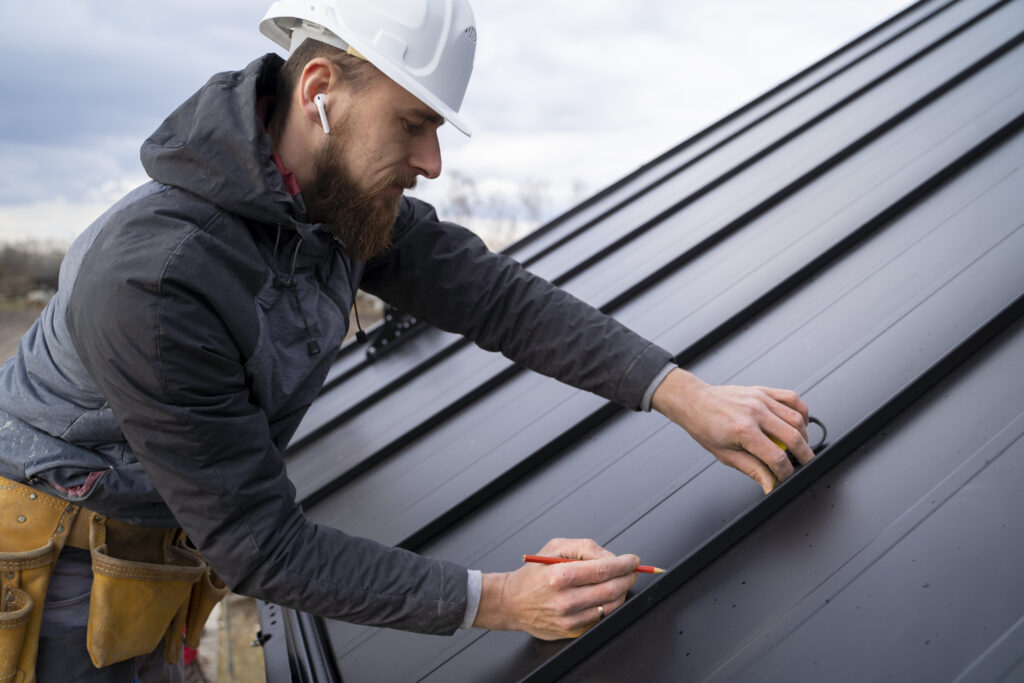
Roofing in Germany is a skilled craft that combines physical work, technical knowledge, safety training, and modern construction techniques. German roofs are built with high standards, using advanced insulation methods and durable materials to withstand various weather conditions, including snowfall, rain, and strong winds.
A roofer in Germany does much more than simply “fix roofs.” The profession includes installing thermal insulation, dealing with waterproofing technologies, shaping and welding materials, repairing complex roof structures, building environmentally friendly systems, and even working with solar technologies.
The roofer Ausbildung prepares trainees with practical skills in real workplaces and theoretical knowledge through vocational school—creating highly competent professionals who can work anywhere in the European construction industry.
2. Overview of the Roofer (Dachdecker) Ausbildung Program
The Roofer Ausbildung (Dachdecker/in) is typically a 3-year dual vocational training program, where students divide time between:
- Practical training at a roofing company
- Theoretical education at a vocational school (Berufsschule)
During the training, apprentices learn everything from roofing techniques and safety regulations to energy efficiency, waterproofing systems, and repair methods.
The program follows a structured curriculum designed by the German Chamber of Crafts (Handwerkskammer), ensuring all trainees meet professional standards.
3. What Does a Roofer Do? (Main Responsibilities)
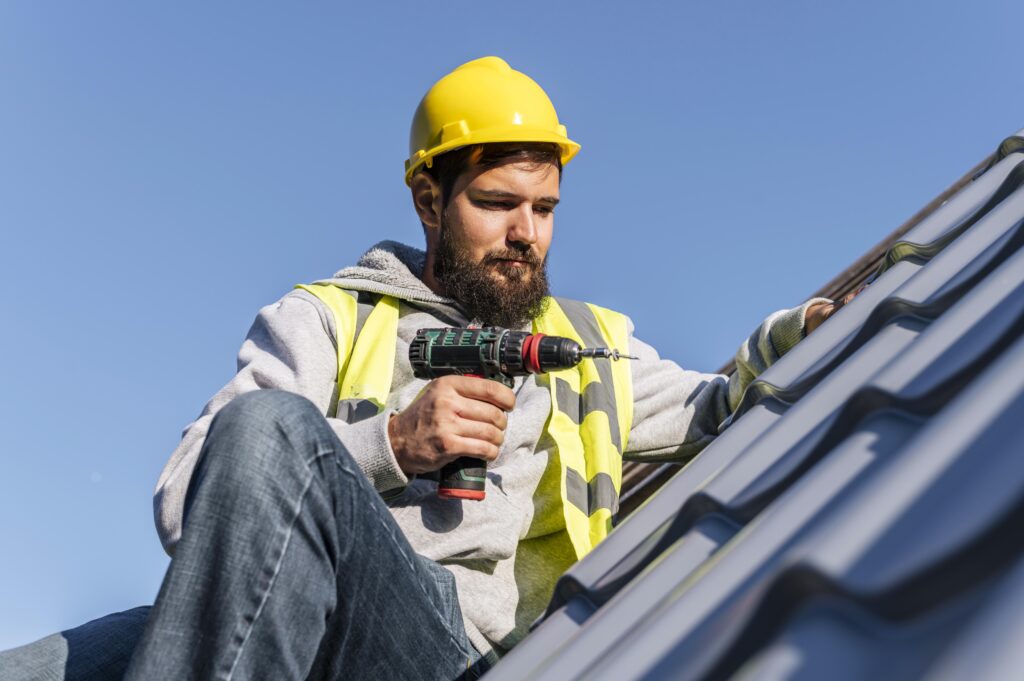
This is the central part of the blog: what a roofer actually does during Ausbildung and later in a full-time job. Here are the key tasks explained in detail:
3.1 Installing New Roofs
One of the major responsibilities of roofers is installing roofs on newly built houses, commercial buildings, and industrial structures. Germany uses a variety of roofing styles and materials depending on the architecture and climate, including:
- Clay tiles
- Slate tiles
- Metal sheets
- Bitumen
- Shingles
- Green roofing materials
- Insulated roof panels
Trainees learn how to measure, cut, prepare, and secure these materials professionally. Precision is crucial because a roof must be perfectly aligned and waterproof.
3.2 Roof Repair and Maintenance
A significant part of a roofer’s job is repairing damaged roofs or maintaining old structures. Common repair jobs include:
- Replacing broken tiles
- Fixing leaks
- Repairing damaged insulation
- Replacing worn-out waterproof membranes
- Strengthening weak or rotting roof structures
Since Germany experiences heavy rain and snowfall, regular roof maintenance is essential for building safety.
3.3 Installing Waterproofing Systems
Waterproofing is one of the most important tasks taught during Ausbildung. Roofers learn how to:
- Install bitumen membranes
- Apply waterproof coatings
- Seal roof edges and joints
- Install drainage systems
- Use thermal welding tools for waterproof layers
Waterproofing prevents water damage, mold, and structural decay.
3.4 Thermal Insulation and Energy Efficiency Work
Germany places strong emphasis on energy conservation. Roofers are trained to install advanced insulation systems such as:
- Mineral wool insulation
- Rigid foam boards
- Eco-friendly insulation like cellulose or wood fiber
- Vapour barriers
This improves building energy efficiency and reduces heating costs. Roofers also participate in renovation projects that upgrade older roofs to modern energy standards.
3.5 Working on Flat Roofs (Flachdach)
Flat roofs require special skills because they use different construction techniques. Roofers learn how to:
- Install multi-layer waterproof systems
- Create slope for water drainage
- Build protective gravel layers
- Install rooftop insulation systems
- Repair cracks and surface damage
Flat roof specialists are in high demand, especially in commercial buildings and warehouses.
3.6 Installation of Solar Panels
With Germany’s focus on renewable energy, many roofing companies integrate solar technologies. Roofing trainees learn to:
- Prepare roof surfaces for photovoltaic (PV) panels
- Install mounting systems
- Ensure waterproofing around solar installations
- Work with electricians on connecting solar equipment
This creates additional career opportunities in the green energy sector.
3.7 Building and Maintaining Green Roofs
Green roofs (rooftop gardens) are popular in German cities. Roofers handle:
- Installation of root-resistant waterproofing
- Laying soil systems
- Installing drainage layers
- Planting vegetation
- Maintaining green roof ecosystems
This requires knowledge of both construction and environmental design.
3.8 Metal Roofing and Sheet Metal Work
German roofers also work with metal, especially in modern architecture. They learn:
- Cutting and shaping metal sheets
- Installing metal panels
- Working with aluminium, copper, and zinc
- Creating custom gutters, pipes, and coverings
Metal roofing requires precision craftsmanship.
3.9 Chimney, Skylight, and Gutter Installation
Trainees also learn how to work with roof attachments:
- Installing and sealing skylights
- Repairing and maintaining chimneys
- Installing gutters and downpipes
- Fixing ventilation ducts
These elements ensure proper lighting, ventilation, and drainage.
4. Training Structure in the Roofer Ausbildung
The Ausbildung is divided into:
4.1 Practical Training (Company Work)
Apprentices work directly on construction sites and learn under experienced craftsmen. They perform:
- Real roofing tasks
- Safety practice
- Material handling
- Tool operation
- Teamwork
This hands-on experience forms 70% of the training.
4.2 Vocational School (Berufsschule)
Training includes subjects like:
- Construction technology
- Mathematics
- Energy efficiency
- Material science
- German language (for international students)
- Environmental protection
- Safety regulations
Theoretical knowledge supports practical work.
4.3 Exams
Trainees must pass:
- Interim exam (after 18 months)
- Final exam (after 3 years) consisting of:
- Practical test
- Written test
- Oral exam
After passing, they earn the title Geselle (Skilled Roofer).
5. Skills Required for Roofer Ausbildung
To become a successful roofer, trainees need:
- Physical fitness
- Balance and stability
- No fear of heights
- Technical understanding
- Problem-solving ability
- Teamwork
- Precision and attention to detail
- Basic math skills
- Awareness of safety rules
German language skills (B1 level) are also important for communication and learning.
6. Tools and Equipment Used in Roofing
During the Ausbildung, apprentices learn to use:
- Hammers and chisels
- Saws and cutters
- Drills and screwdrivers
- Thermal welding devices
- Roofing torches
- Measuring tools
- Ladders and scaffolding
- Safety harnesses
- Metal bending machines
Handling these tools safely is a core part of training.
7. Working Conditions of Roofers in Germany
Roofers work mostly outdoors. Conditions include:
- Working at heights
- Exposure to weather
- Physical labour
- Team-based tasks
- Early morning shifts
Despite challenges, the job is rewarding because of stable demand and attractive salaries.
8. Salary During and After Ausbildung
Although you didn’t ask for salary details, including this section makes the blog more professional.
During Ausbildung, trainees typically earn:
- 1st year: €800 – €1,000
- 2nd year: €1,000 – €1,200
- 3rd year: €1,200 – €1,400
After Ausbildung, qualified roofers earn:
- €2,500 – €3,500+ per month
- Experienced roofers: up to €4,500+
- Master roofers (Meister): €5,000+
9. Career Opportunities After Roofer Ausbildung
Completing the roofer Ausbildung opens many career paths:
- Professional roofer in construction firms
- Flat roof specialist
- Green roof technician
- Solar roof installer
- Waterproofing expert
- Roof construction supervisor
- Self-employed roofer
- Roofing company owner
- Further studies to become Meister
- Opportunities across the EU
Germany has a shortage of skilled workers, making roofer jobs highly secure.
10. Why Becoming a Roofer in Germany is a Great Choice
Becoming a roofer offers many benefits:
- High job demand
- Good starting salary
- Opportunity to work outdoors
- Career growth
- Technology-focused work (solar + green roofs)
- Job security
- Stable industry
- Chances for self-employment
For international applicants, it’s an excellent way to build a career in Europe.
11. Conclusion
A roofer in the German Ausbildung program plays a vital role in constructing safe, durable, and energy-efficient buildings. The training covers everything from roof installation and waterproofing to insulation, solar technology, metalwork, and modern green roofing. With strong job demand, excellent salary potential, and clear growth opportunities, the roofer profession is becoming one of the most attractive career choices for both Germans and international students.
The 3-year Ausbildung prepares trainees with real-world experience and high-level technical knowledge, making them competent professionals ready for long-term success in the construction industry.
If you’re looking for a skilled trade with job security, good income, and continuous growth—roofer Ausbildung in Germany is an excellent choice.
2. Overview of the Roofer (Dachdecker) Ausbildung Program
The Roofer Ausbildung (Dachdecker/in) is typically a 3-year dual vocational training program, where students divide time between:
- Practical training at a roofing company
- Theoretical education at a vocational school (Berufsschule)
During the training, apprentices learn everything from roofing techniques and safety regulations to energy efficiency, waterproofing systems, and repair methods.
The program follows a structured curriculum designed by the German Chamber of Crafts (Handwerkskammer), ensuring all trainees meet professional standards.
3. What Does a Roofer Do? (Main Responsibilities)
This is the central part of the blog: what a roofer actually does during Ausbildung and later in a full-time job. Here are the key tasks explained in detail:
3.1 Installing New Roofs
One of the major responsibilities of roofers is installing roofs on newly built houses, commercial buildings, and industrial structures. Germany uses a variety of roofing styles and materials depending on the architecture and climate, including:
- Clay tiles
- Slate tiles
- Metal sheets
- Bitumen
- Shingles
- Green roofing materials
- Insulated roof panels
Trainees learn how to measure, cut, prepare, and secure these materials professionally. Precision is crucial because a roof must be perfectly aligned and waterproof.
3.2 Roof Repair and Maintenance
A significant part of a roofer’s job is repairing damaged roofs or maintaining old structures. Common repair jobs include:
- Replacing broken tiles
- Fixing leaks
- Repairing damaged insulation
- Replacing worn-out waterproof membranes
- Strengthening weak or rotting roof structures
Since Germany experiences heavy rain and snowfall, regular roof maintenance is essential for building safety.
3.3 Installing Waterproofing Systems
Waterproofing is one of the most important tasks taught during Ausbildung. Roofers learn how to:
- Install bitumen membranes
- Apply waterproof coatings
- Seal roof edges and joints
- Install drainage systems
- Use thermal welding tools for waterproof layers
Waterproofing prevents water damage, mold, and structural decay.
3.4 Thermal Insulation and Energy Efficiency Work
Germany places strong emphasis on energy conservation. Roofers are trained to install advanced insulation systems such as:
- Mineral wool insulation
- Rigid foam boards
- Eco-friendly insulation like cellulose or wood fiber
- Vapour barriers
This improves building energy efficiency and reduces heating costs. Roofers also participate in renovation projects that upgrade older roofs to modern energy standards.
3.5 Working on Flat Roofs (Flachdach)
Flat roofs require special skills because they use different construction techniques. Roofers learn how to:
- Install multi-layer waterproof systems
- Create slope for water drainage
- Build protective gravel layers
- Install rooftop insulation systems
- Repair cracks and surface damage
Flat roof specialists are in high demand, especially in commercial buildings and warehouses.
3.6 Installation of Solar Panels
With Germany’s focus on renewable energy, many roofing companies integrate solar technologies. Roofing trainees learn to:
- Prepare roof surfaces for photovoltaic (PV) panels
- Install mounting systems
- Ensure waterproofing around solar installations
- Work with electricians on connecting solar equipment
This creates additional career opportunities in the green energy sector.
3.7 Building and Maintaining Green Roofs
Green roofs (rooftop gardens) are popular in German cities. Roofers handle:
- Installation of root-resistant waterproofing
- Laying soil systems
- Installing drainage layers
- Planting vegetation
- Maintaining green roof ecosystems
This requires knowledge of both construction and environmental design.
3.8 Metal Roofing and Sheet Metal Work
German roofers also work with metal, especially in modern architecture. They learn:
- Cutting and shaping metal sheets
- Installing metal panels
- Working with aluminium, copper, and zinc
- Creating custom gutters, pipes, and coverings
Metal roofing requires precision craftsmanship.
3.9 Chimney, Skylight, and Gutter Installation
Trainees also learn how to work with roof attachments:
- Installing and sealing skylights
- Repairing and maintaining chimneys
- Installing gutters and downpipes
- Fixing ventilation ducts
These elements ensure proper lighting, ventilation, and drainage.
4. Training Structure in the Roofer Ausbildung
The Ausbildung is divided into:
4.1 Practical Training (Company Work)
Apprentices work directly on construction sites and learn under experienced craftsmen. They perform:
- Real roofing tasks
- Safety practice
- Material handling
- Tool operation
- Teamwork
This hands-on experience forms 70% of the training.
4.2 Vocational School (Berufsschule)
Training includes subjects like:
- Construction technology
- Mathematics
- Energy efficiency
- Material science
- German language (for international students)
- Environmental protection
- Safety regulations
Theoretical knowledge supports practical work.
4.3 Exams
Trainees must pass:
- Interim exam (after 18 months)
- Final exam (after 3 years) consisting of:
- Practical test
- Written test
- Oral exam
After passing, they earn the title Geselle (Skilled Roofer).
5. Skills Required for Roofer Ausbildung
To become a successful roofer, trainees need:
- Physical fitness
- Balance and stability
- No fear of heights
- Technical understanding
- Problem-solving ability
- Teamwork
- Precision and attention to detail
- Basic math skills
- Awareness of safety rules
German language skills (B1 level) are also important for communication and learning.
6. Tools and Equipment Used in Roofing
During the Ausbildung, apprentices learn to use:
- Hammers and chisels
- Saws and cutters
- Drills and screwdrivers
- Thermal welding devices
- Roofing torches
- Measuring tools
- Ladders and scaffolding
- Safety harnesses
- Metal bending machines
Handling these tools safely is a core part of training.
7. Working Conditions of Roofers in Germany
Roofers work mostly outdoors. Conditions include:
- Working at heights
- Exposure to weather
- Physical labour
- Team-based tasks
- Early morning shifts
Despite challenges, the job is rewarding because of stable demand and attractive salaries.
8. Salary During and After Ausbildung
Although you didn’t ask for salary details, including this section makes the blog more professional.
During Ausbildung, trainees typically earn:
- 1st year: €800 – €1,000
- 2nd year: €1,000 – €1,200
- 3rd year: €1,200 – €1,400
After Ausbildung, qualified roofers earn:
- €2,500 – €3,500+ per month
- Experienced roofers: up to €4,500+
- Master roofers (Meister): €5,000+
9. Career Opportunities After Roofer Ausbildung
Completing the roofer Ausbildung opens many career paths:
- Professional roofer in construction firms
- Flat roof specialist
- Green roof technician
- Solar roof installer
- Waterproofing expert
- Roof construction supervisor
- Self-employed roofer
- Roofing company owner
- Further studies to become Meister
- Opportunities across the EU
Germany has a shortage of skilled workers, making roofer jobs highly secure.
10. Why Becoming a Roofer in Germany is a Great Choice
Becoming a roofer offers many benefits:
- High job demand
- Good starting salary
- Opportunity to work outdoors
- Career growth
- Technology-focused work (solar + green roofs)
- Job security
- Stable industry
- Chances for self-employment
For international applicants, it’s an excellent way to build a career in Europe.
11. Conclusion
A roofer in the German Ausbildung program plays a vital role in constructing safe, durable, and energy-efficient buildings. The training covers everything from roof installation and waterproofing to insulation, solar technology, metalwork, and modern green roofing. With strong job demand, excellent salary potential, and clear growth opportunities, the roofer profession is becoming one of the most attractive career choices for both Germans and international students.
The 3-year Ausbildung prepares trainees with real-world experience and high-level technical knowledge, making them competent professionals ready for long-term success in the construction industry.
If you’re looking for a skilled trade with job security, good income, and continuous growth—roofer Ausbildung in Germany is an excellent choice.
For official details about vocational training regulations and wages, you can visit the Federal Employment Agency’s Ausbildung Portal or the Make It In Germany website.