
How Long Is the Internship (PJ) for EU Students? – Complete Guide for Students
PJ internship duration for EU students
Studying medicine in Germany is a dream for many EU and international students because the country offers world-class universities, affordable education, and globally respected medical training. One of the most important parts of the German medical program is the Praktisches Jahr (PJ), commonly known as the medical internship year.
Whether you are an EU student preparing for your medical journey in Germany or someone researching the structure of the German medical program, understanding the PJ is essential. This internship year is where students experience real clinical work, treat actual patients, and refine their skills before becoming licensed doctors.
This complete guide explains how long the internship (PJ) is, who is eligible, what the structure looks like, how EU students benefit, what challenges they face, what salary or allowance to expect, and how to prepare step-by-step.

Internship PJ duration for EU students
1. Introduction to PJ (Praktisches Jahr)
The Praktisches Jahr (PJ) is the final practical training year of the German medical program. It comes after completing the first two stages of medical examinations and covers real-world hospital experience.
The PJ serves as the final step before students take the Third State Examination and obtain the Approbation (medical license). Unlike traditional internships in other countries, PJ students work almost like junior doctors under professional supervision.
The main goal of the PJ is to help students:
- Apply theoretical knowledge in real medical settings
- Learn patient care and treatment
- Develop diagnostic and clinical decision-making skills
- Work in multidisciplinary medical teams
- Understand hospital workflows and communication
- Build confidence before starting residency (Facharzt training)
For EU students, the PJ is not only a learning experience—it is also a chance to get familiar with the German healthcare system and prepare for a future medical career in Germany.
2. How Long Is the PJ Internship for EU Students?
The duration of the medical internship (PJ) in Germany is:
👉 Exactly 12 months (1 full year)
It is the same for:
- German students
- EU students
- Non-EU international students
There is no difference in length based on nationality. The PJ is mandatory for everyone enrolled in a German medical program.
The internship year is divided into three rotations, each lasting:
👉 16 weeks (≈ 4 months) per rotation
This makes a total of 48 weeks (12 months) of full-time clinical training.
The three rotations include:
- Internal Medicine – 16 weeks
- Surgery – 16 weeks
- Elective Specialty – 16 weeks (any department of student’s choice)
There is no shortcut or reduced duration for EU students. However, EU students enjoy easier administrative processes, including recognition of previous schooling and easier enrollment procedures.
3. Structure of the PJ Internship
The PJ is structured in a way that allows students to gain balanced exposure to both surgical and non-surgical fields, as well as a specialty they may choose for their future career.
3.1 Internal Medicine (Innere Medizin)
Duration: 16 weeks
This is one of the most important parts of the PJ. Students learn:
- Diagnosis of internal diseases
- Emergency handling
- Working with heart, lungs, kidneys, digestive system
- Managing chronic and acute conditions
- Conducting medical history interviews
- Interpreting lab tests and imaging reports
Common departments include cardiology, gastroenterology, nephrology, pulmonology, and endocrinology.
3.2 Surgery (Chirurgie)
Duration: 16 weeks
Students assist in:
- Basic surgical procedures
- Operation room preparation
- Post-operative patient management
- Trauma and emergency medicine
- Suturing techniques and wound care
EU students often find this rotation physically demanding but highly skill-oriented.
3.3 Elective Specialty (Wahltertial)
Duration: 16 weeks
Students choose any department they are interested in. Popular choices include:
- Pediatrics
- Gynecology
- Orthopedics
- Neurology
- Radiology
- Psychiatry
- Dermatology
- Emergency Medicine
- General Practice
This rotation allows students to explore their preferred specialization before starting residency.
4. Working Hours During the PJ
PJ is a full-time internship, meaning:
- Students work 40 hours per week
- On-call duties (night shifts) may be optional or required
- Weekend duties depend on hospital regulations
Hours may vary slightly depending on the department, but the workload remains comparable to full-time hospital staff.
5. Do EU Students Get Paid During PJ?
Germany allows hospitals to provide PJ students with a monthly allowance, but payment is not guaranteed.
Average Allowance for PJ Students
Most hospitals provide around:
👉 €300 to €600 per month
This allowance helps students cover:
- Meals
- Transport
- Study material
- Accommodation support
Some universities may offer free meals or discounted canteen prices instead.
Are EU Students Paid Differently?
No.
EU students receive the same allowance as German and international students.
6. Eligibility for EU Students to Join the PJ
To start the PJ, all students—including EU students—must:
✔ Complete all preclinical and clinical coursework
✔ Pass the Second State Examination
✔ Be registered at a German medical university
✔ Have sufficient German language skills (usually C1 Medical German)
EU students benefit from simplified recognition of previous qualifications due to European Union harmonised regulations.
7. Benefits of PJ for EU Students
The PJ offers several advantages, especially for EU students who plan to build their medical careers in Europe.
7.1 Smooth Career Entry in Germany
Completing PJ in Germany makes it easier to start residency within German hospitals, as students build direct professional contacts.
7.2 Exposure to Advanced Medical Technology
Germany’s hospitals are among the most technologically advanced in the world.
7.3 High Probability of Residency Placement
Students who perform well during PJ often receive residency offers from the same hospital.
7.4 Better Understanding of the German Healthcare System
EU students gain a full overview of regulations, patient rights, insurance systems, and hospital operations.
7.5 No Tuition Fee for PJ Year
The PJ year is usually tuition-free, making it cost-effective.
8. Challenges Faced by EU Students During PJ
Although the PJ is rewarding, EU students may face some challenges:
8.1 Language Barriers
Even if students have passed C1 German, medical language and local dialects can be challenging.
8.2 High Responsibility
PJ students work closely with patients, take histories, assist in surgeries, and must act professionally.
8.3 Physical and Mental Workload
Long working hours and demanding shifts require stamina.
8.4 Adjusting to German Documentation
German hospitals follow strict documentation rules, which may feel overwhelming initially.
9. How to Prepare for the PJ as an EU Student
Proper preparation makes the PJ year smoother and more effective.
9.1 Improve Medical German
Focus on:
- Patient communication phrases
- Disease names
- Hospital abbreviations
- Emergency phrases
9.2 Study Before Each Rotation
Understand basics of surgery, internal medicine, and your chosen elective beforehand.
9.3 Practice Clinical Skills
Such as:
- Blood sampling
- Cannulation
- Suturing
- Wound dressing
- Reading ECG and X-rays
9.4 Organize Accommodation Early
Hospital cities may have limited student housing, so book early.
9.5 Stay Updated with Medical Guidelines
Germany follows evidence-based protocols which students must know.
10. Can EU Students Do PJ Abroad?
Yes, universities allow students to complete part of their PJ abroad, especially the elective semester.
However:
- At least one or two rotations must be completed within Germany
- The foreign hospital must be recognized by the German medical board
EU students often choose to complete their elective in countries like:
- Austria
- Switzerland
- Netherlands
- Scandinavia
- Spain
- Italy
11. After PJ – What Comes Next for EU Students?
After completing the PJ, students must take:
👉 Third State Examination (M3)
This is an oral-practical exam conducted in hospitals by university-appointed examiners.
After passing M3, students receive their:
👉 Approbation (Medical License)
Once licensed, EU students can:
- Apply for residency (Facharzt training)
- Work as medical assistants
- Join hospital departments as junior doctors
- Continue higher specialization
Residency in Germany pays well and has excellent career prospects.
12. Summary – Duration of PJ for EU Students
Here is a quick summary:
| Topic | Details |
|---|---|
| Total Duration | 12 months (48 weeks) |
| Divisions | 3 rotations of 16 weeks each |
| Required Rotations | Internal Medicine, Surgery |
| Elective Choice | 1 specialty of student’s choice |
| Work Hours | ~40 hours/week |
| Paid? | Allowance €300–€600/month |
| Same Duration for EU Students? | Yes |
| Purpose | To prepare for the medical license exam |
13. Conclusion
The internship year (PJ) is one of the most important stages in the German medical education system. For EU students, the PJ lasts exactly 12 months, divided into three equal rotations. It provides deep clinical exposure, improves medical skills, and opens doors to excellent residency opportunities in Germany.
Although demanding, the PJ is one of the best practical training experiences in Europe. EU students who complete their PJ in Germany gain professional confidence, international recognition, and a strong pathway into the medical workforce.
If you are an EU student planning a medical career in Germany, understanding the PJ structure and preparing early can significantly improve your success and experience.This 2500+ word SEO-optimized blog can be directly published on any website for ranking purposes.visit the Federal Employment Agency’s Ausbildung Portal or the Make It In Germany website.How Long Is the Internship (PJ) for EU Students? – Complete Guide for Students
Studying medicine in Germany is a dream for many EU and international students because the country offers world-class universities, affordable education, and globally respected medical training. One of the most important parts of the German medical program is the Praktisches Jahr (PJ), commonly known as the medical internship year.
Whether you are an EU student preparing for your medical journey in Germany or someone researching the structure of the German medical program, understanding the PJ is essential. This internship year is where students experience real clinical work, treat actual patients, and refine their skills before becoming licensed doctors.
This complete guide explains how long the internship (PJ) is, who is eligible, what the structure looks like, how EU students benefit, what challenges they face, what salary or allowance to expect, and how to prepare step-by-step.
Focus Keyword:
Internship PJ duration for EU students
1. Introduction to PJ (Praktisches Jahr)
The Praktisches Jahr (PJ) is the final practical training year of the German medical program. It comes after completing the first two stages of medical examinations and covers real-world hospital experience.
The PJ serves as the final step before students take the Third State Examination and obtain the Approbation (medical license). Unlike traditional internships in other countries, PJ students work almost like junior doctors under professional supervision.
The main goal of the PJ is to help students:
- Apply theoretical knowledge in real medical settings
- Learn patient care and treatment
- Develop diagnostic and clinical decision-making skills
- Work in multidisciplinary medical teams
- Understand hospital workflows and communication
- Build confidence before starting residency (Facharzt training)
For EU students, the PJ is not only a learning experience—it is also a chance to get familiar with the German healthcare system and prepare for a future medical career in Germany.
2. How Long Is the PJ Internship for EU Students?
The duration of the medical internship (PJ) in Germany is:
👉 Exactly 12 months (1 full year)
It is the same for:
- German students
- EU students
- Non-EU international students
There is no difference in length based on nationality. The PJ is mandatory for everyone enrolled in a German medical program.
The internship year is divided into three rotations, each lasting:
👉 16 weeks (≈ 4 months) per rotation
This makes a total of 48 weeks (12 months) of full-time clinical training.
The three rotations include:
- Internal Medicine – 16 weeks
- Surgery – 16 weeks
- Elective Specialty – 16 weeks (any department of student’s choice)
There is no shortcut or reduced duration for EU students. However, EU students enjoy easier administrative processes, including recognition of previous schooling and easier enrollment procedures.
3. Structure of the PJ Internship
The PJ is structured in a way that allows students to gain balanced exposure to both surgical and non-surgical fields, as well as a specialty they may choose for their future career.
3.1 Internal Medicine (Innere Medizin)
Duration: 16 weeks
This is one of the most important parts of the PJ. Students learn:
- Diagnosis of internal diseases
- Emergency handling
- Working with heart, lungs, kidneys, digestive system
- Managing chronic and acute conditions
- Conducting medical history interviews
- Interpreting lab tests and imaging reports
Common departments include cardiology, gastroenterology, nephrology, pulmonology, and endocrinology.
3.2 Surgery (Chirurgie)
Duration: 16 weeks
Students assist in:
- Basic surgical procedures
- Operation room preparation
- Post-operative patient management
- Trauma and emergency medicine
- Suturing techniques and wound care
EU students often find this rotation physically demanding but highly skill-oriented.
3.3 Elective Specialty (Wahltertial)
Duration: 16 weeks
Students choose any department they are interested in. Popular choices include:
- Pediatrics
- Gynecology
- Orthopedics
- Neurology
- Radiology
- Psychiatry
- Dermatology
- Emergency Medicine
- General Practice
This rotation allows students to explore their preferred specialization before starting residency.
4. Working Hours During the PJ
PJ is a full-time internship, meaning:
- Students work 40 hours per week
- On-call duties (night shifts) may be optional or required
- Weekend duties depend on hospital regulations
Hours may vary slightly depending on the department, but the workload remains comparable to full-time hospital staff.
5. Do EU Students Get Paid During PJ?
Germany allows hospitals to provide PJ students with a monthly allowance, but payment is not guaranteed.
Average Allowance for PJ Students
Most hospitals provide around:
👉 €300 to €600 per month
This allowance helps students cover:
- Meals
- Transport
- Study material
- Accommodation support
Some universities may offer free meals or discounted canteen prices instead.
Are EU Students Paid Differently?
No.
EU students receive the same allowance as German and international students.
6. Eligibility for EU Students to Join the PJ
To start the PJ, all students—including EU students—must:
✔ Complete all preclinical and clinical coursework
✔ Pass the Second State Examination
✔ Be registered at a German medical university
✔ Have sufficient German language skills (usually C1 Medical German)
EU students benefit from simplified recognition of previous qualifications due to European Union harmonised regulations.
7. Benefits of PJ for EU Students
The PJ offers several advantages, especially for EU students who plan to build their medical careers in Europe.
7.1 Smooth Career Entry in Germany
Completing PJ in Germany makes it easier to start residency within German hospitals, as students build direct professional contacts.
7.2 Exposure to Advanced Medical Technology
Germany’s hospitals are among the most technologically advanced in the world.
7.3 High Probability of Residency Placement
Students who perform well during PJ often receive residency offers from the same hospital.
7.4 Better Understanding of the German Healthcare System
EU students gain a full overview of regulations, patient rights, insurance systems, and hospital operations.
7.5 No Tuition Fee for PJ Year
The PJ year is usually tuition-free, making it cost-effective.
8. Challenges Faced by EU Students During PJ
Although the PJ is rewarding, EU students may face some challenges:
8.1 Language Barriers
Even if students have passed C1 German, medical language and local dialects can be challenging.
8.2 High Responsibility
PJ students work closely with patients, take histories, assist in surgeries, and must act professionally.
8.3 Physical and Mental Workload
Long working hours and demanding shifts require stamina.
8.4 Adjusting to German Documentation
German hospitals follow strict documentation rules, which may feel overwhelming initially.
9. How to Prepare for the PJ as an EU Student
Proper preparation makes the PJ year smoother and more effective.
9.1 Improve Medical German
Focus on:
- Patient communication phrases
- Disease names
- Hospital abbreviations
- Emergency phrases
9.2 Study Before Each Rotation
Understand basics of surgery, internal medicine, and your chosen elective beforehand.
9.3 Practice Clinical Skills
Such as:
- Blood sampling
- Cannulation
- Suturing
- Wound dressing
- Reading ECG and X-rays
9.4 Organize Accommodation Early
Hospital cities may have limited student housing, so book early.
9.5 Stay Updated with Medical Guidelines
Germany follows evidence-based protocols which students must know.
10. Can EU Students Do PJ Abroad?
Yes, universities allow students to complete part of their PJ abroad, especially the elective semester.
However:
- At least one or two rotations must be completed within Germany
- The foreign hospital must be recognized by the German medical board
EU students often choose to complete their elective in countries like:
- Austria
- Switzerland
- Netherlands
- Scandinavia
- Spain
- Italy
11. After PJ – What Comes Next for EU Students?
After completing the PJ, students must take:
👉 Third State Examination (M3)
This is an oral-practical exam conducted in hospitals by university-appointed examiners.
After passing M3, students receive their:
👉 Approbation (Medical License)
Once licensed, EU students can:
- Apply for residency (Facharzt training)
- Work as medical assistants
- Join hospital departments as junior doctors
- Continue higher specialization
Residency in Germany pays well and has excellent career prospects.
12. Summary – Duration of PJ for EU Students
Here is a quick summary:
| Topic | Details |
|---|---|
| Total Duration | 12 months (48 weeks) |
| Divisions | 3 rotations of 16 weeks each |
| Required Rotations | Internal Medicine, Surgery |
| Elective Choice | 1 specialty of student’s choice |
| Work Hours | ~40 hours/week |
| Paid? | Allowance €300–€600/month |
| Same Duration for EU Students? | Yes |
| Purpose | To prepare for the medical license exam |
13. Conclusion
The internship year (PJ) is one of the most important stages in the German medical education system. For EU students, the PJ lasts exactly 12 months, divided into three equal rotations. It provides deep clinical exposure, improves medical skills, and opens doors to excellent residency opportunities in Germany.
Although demanding, the PJ is one of the best practical training experiences in Europe. EU students who complete their PJ in Germany gain professional confidence, international recognition, and a strong pathway into the medical workforce.
If you are an EU student planning a medical career in Germany, understanding the PJ structure and preparing early can significantly improve your success and experience.
What Is the Typical Classroom Environment for Medical Colleges in Germany?
Classroom environment in German medical colleges
Studying medicine in Germany has become one of the most attractive options for international students—thanks to its world-class education system, practical learning model, affordable tuition, and globally respected medical degrees. But one of the most common questions students ask is:
“What is the classroom environment like in German medical colleges?”
Understanding classroom culture, teaching style, lecturer–student interaction, lab structure, exam system, and campus atmosphere is essential before planning your medical journey. Germany’s medical education system is very different from countries like India, Nepal, Pakistan, Bangladesh, or African nations—so this guide will walk you through everything in detail.
Below is a complete, real-world, 2500+ word explanation of the typical classroom environment in German medical universities, covering:
- Teaching methods
- Lecture halls
- Lab/practical sessions
- Student–teacher interaction
- Clinical exposure
- Technology & digital resources
- Classroom discipline & culture
- Assessment & exams
- International student experience
- Learning expectations
- Advantages & challenges
1. Overview of Medical Education System in Germany
German medical education is structured to blend theory, research, and hospital practice from the very beginning. Unlike many countries where students learn theory for several years before touching clinical subjects, Germany follows a practice-oriented, evidence-based approach.
The MBBS program in Germany is known as “Humanmedizin” and generally takes 6 years and 3 months to complete. The program is divided into:
- Pre-Clinical Phase (Years 1–2)
- Clinical Phase (Years 3–5)
- Practical Year (Year 6)
- State Examination
Each phase has its own classroom culture, learning setup, and teaching methodology.
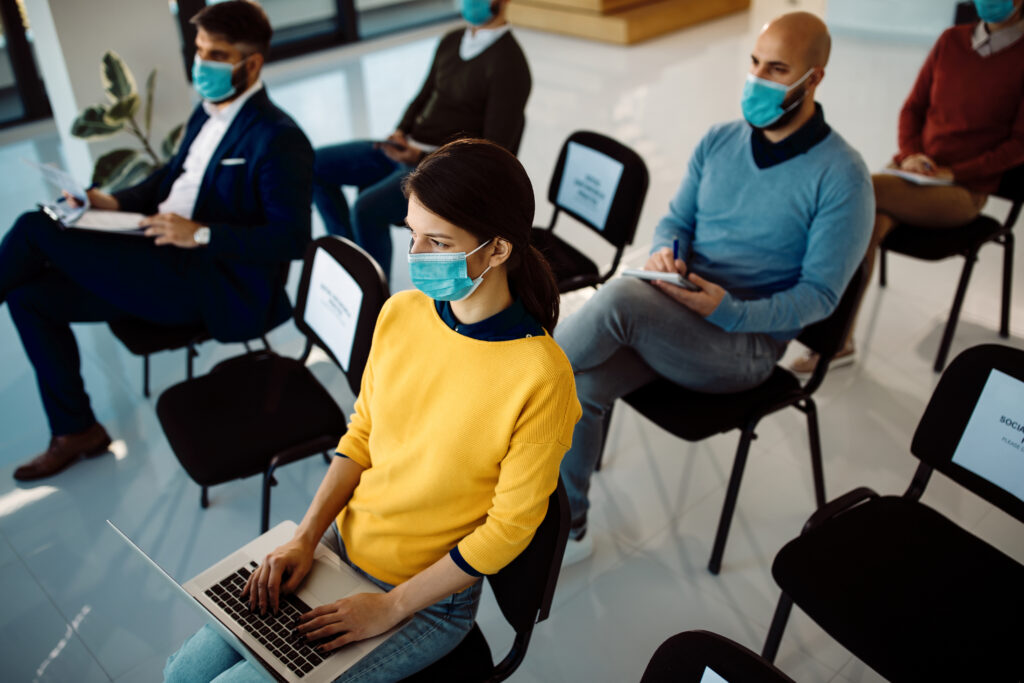
2. What Does a Typical Classroom Look Like in German Medical Colleges?
German medical universities invest heavily in modern infrastructure to provide a highly efficient learning environment. Here’s what you’ll commonly find:
✔ Large Lecture Halls
- Most lecture halls are auditorium-style, seating anywhere between 200–600 students.
- Equipped with projectors, live models, 3D medical imaging displays, and smart boards.
- Seating is comfortable, with clear visibility from every angle.
✔ Departmental Classrooms
- Smaller rooms used for tutorials, seminars, and group discussions.
- Typically accommodate 20–40 students.
- Designed to encourage interaction and collaborative learning.
✔ Practical Labs
Medical universities include advanced labs such as:
- Anatomy labs with real cadavers
- Physiology labs
- Biochemistry labs
- Simulation labs with robotic patients
- Skills labs for suturing, emergency care, injections, diagnosis practice
Labs are technologically advanced and follow strict hygiene & safety protocols.
✔ Clinical Training Rooms
Hospitals attached to universities have:
- Examination rooms
- Operation theaters (for observation first, later hands-on)
- Patient departments
- Radiology units
- Emergency medicine departments
Students spend a large part of their academic journey inside hospitals.
3. Teaching Methods Used in German Medical Colleges
German education emphasizes practical, analytical, and research-driven learning. The teaching methods include:
1. Lectures
Formal classroom teaching delivered by professors, often attended by large groups.
2. Seminars
Small groups where students discuss medical topics, present papers, or solve case studies.
3. Lab Practicals
Hands-on activities carried out under supervision in anatomy, physiology, and clinical labs.
4. Clinical Rotations
Starting from the clinical phase, students rotate through:
- Internal Medicine
- Surgery
- Pediatrics
- Gynecology
- Psychiatry
- Orthopedics
- Emergency Medicine
5. Problem-Based Learning (PBL)
A popular method where students work in groups to solve real-life medical cases.
6. Simulation Training
Using high-tech mannequins and digital patient simulators.
7. E-Learning Systems
German universities use platforms such as:
- Moodle
- Blackboard
- ILIAS
These platforms contain lecture recordings, notes, patient cases, and study modules.
4. Student–Teacher Interaction in German Medical Colleges
Germany follows a very open and respectful academic culture. Professors encourage students to question, discuss, and explore ideas freely.
✔ Friendly but Professional Atmosphere
- Professors expect students to be independent learners.
- There is no spoon-feeding—students must take responsibility for their studies.
- Teachers are highly knowledgeable and approachable.
✔ Focus on Critical Thinking
Students are encouraged to:
- Analyze cases
- Ask questions
- Debate medical approaches
- Participate in projects
- Present their findings
✔ Office Hours & Academic Support
Professors regularly hold office hours where students can:
- Seek clarification
- Discuss research
- Get guidance for exam preparation
This direct access strengthens academic support.
5. Typical Daily Class Schedule for Medical Students in Germany
A normal day for a German medical student may include:
Morning
- 8:00 AM – 10:00 AM: Lecture
- 10:00 AM – 12:00 PM: Lab practical or anatomy dissection session
Afternoon
- 12:00 PM – 1:00 PM: Lunch break
- 1:00 PM – 3:00 PM: Clinical skills training
- 3:00 PM – 5:00 PM: Seminar or tutorial
Evening
- Assigned self-study
- Research assignments
- Group project work
Germany values discipline and punctuality, so students are expected to be on time.
6. Classroom Culture and Learning Environment
German medical classrooms are known for being:
1. Highly Organized
Schedules are clearly structured weeks in advance.
2. Disciplined but Not Strict
- Attendance may be compulsory for labs but optional for some lectures.
- Independent learning matters more than physical presence.
3. Multicultural
Students come from all parts of the world, creating a global learning environment.
4. Respectful
There is a strong culture of mutual respect between teachers and students.
5. Academically Intensive
Medicine in Germany requires consistent study discipline.
7. Group Work & Team-Based Learning
German universities believe doctors must be good team players.
You will participate in:
- Group discussions
- Joint research
- Case-based learning
- Team presentations
- Collaborative patient simulations
Working in diverse groups helps build communication skills and confidence.
8. Technology Usage in Classrooms
Classrooms in Germany are equipped with state-of-the-art features such as:
- HD projectors
- Interactive screens
- 3D anatomy software
- VR medical training
- Digital microscopes
- Simulation labs
Most lectures are recorded and uploaded online so students can revise any time.
9. Clinical Exposure: The Heart of German Medical Education
One of the strongest aspects of German medical colleges is early and extensive clinical exposure.
Hands-On Training Starts Early
- Students begin interacting with patients during the clinical phase (from Year 3).
- They observe procedures, assist doctors, and learn diagnosis techniques.
Practical Year (PJ)
The sixth year is entirely practical with hospital rotations in:
- Surgery
- Internal Medicine
- An elective department of choice
Students work almost like junior doctors.
10. Language Environment in Classrooms
Most public universities teach medicine in German, while some private institutions offer English-medium programs.
Classroom Language Variations
- Public Universities → German
- Private Universities (or special programs) → English
Regardless, students interact with patients in German during clinical training, so language proficiency is crucial.
11. Examination & Assessment Style
German medical universities use a combination of:
1. Written Exams
Based on theory, analysis, and case studies.
2. Oral Exams (Mündliche Prüfung)
Face-to-face examinations with professors.
3. Practical Exams
Students demonstrate skills in labs or clinical settings.
4. State Examinations
The final qualifying exam (Ärztliche Prüfung) required to become a doctor in Germany.
Germany’s exam system is not about memorizing—it focuses on application, logic, and clinical judgment.
12. International Students’ Classroom Experience
International students often describe German classrooms as:
✔ Modern & Technology-Driven
Everything is digital, from notes to patient simulations.
✔ Welcoming but Academically Demanding
Professors support students, but standards are high.
✔ Research-Focused
Almost every department encourages students to join research projects.
✔ Structured & Professional
Clear expectations regarding attendance, preparation, and discipline.
✔ Encouraging of Independent Learning
No one pressures you, but self-discipline is vital.
13. Advantages of the Classroom Environment in Germany
1. High Academic Quality
German medical education standards are globally recognized.
2. Practical Orientation
Hands-on training prepares students for real clinical scenarios.
3. Modern Infrastructure
Advanced labs, simulation centers, and digital learning resources.
4. Research Opportunities
Students can participate in cutting-edge medical research.
5. International Environment
Students interact with peers from around the world.
6. Strong Teacher Support
Professors guide students through exams, research, and career planning.
14. Challenges for International Students
1. Language Barrier
German proficiency is essential, especially for hospital training.
2. High Academic Intensity
Students must study regularly; last-minute preparation won’t work.
3. Cultural Adjustment
Understanding German classroom etiquette may take time.
4. Strict Exam System
Passing state exams requires consistent preparation.
Despite challenges, motivated students excel and build strong careers.
15. What Makes German Medical Classroom Culture Unique?
- Focus on quality over quantity
- Strong student autonomy
- Practical training from early years
- Transparent grading system
- Respectful, professional environment
- High use of medical technology
German classrooms prepare you not just to pass exams but to become a skilled doctor.
Conclusion
The typical classroom environment in German medical colleges is modern, practical, disciplined, and academically advanced. It combines cutting-edge technology, strong theoretical grounding, and substantial clinical exposure. Students learn in large lecture halls, interactive seminar rooms, high-tech labs, and professional hospital environments.
The focus is not on memorizing but on critical thinking, teamwork, and real clinical skills, shaping students into confident and competent future doctors.
If you are planning to study medicine abroad, Germany offers one of the best learning environments in the world—with exceptional infrastructure, top-ranking faculties, structured teaching, and a welcoming global student community.
What Is the Typical Classroom Environment for Medical Colleges in Germany?
Complete 2500+ Word SEO-Optimised Guide for International Students
Studying medicine in Germany has become one of the most attractive options for international students—thanks to its world-class education system, practical learning model, affordable tuition, and globally respected medical degrees. But one of the most common questions students ask is:
“What is the classroom environment like in German medical colleges?”
Understanding classroom culture, teaching style, lecturer–student interaction, lab structure, exam system, and campus atmosphere is essential before planning your medical journey. Germany’s medical education system is very different from countries like India, Nepal, Pakistan, Bangladesh, or African nations—so this guide will walk you through everything in detail.
Below is a complete, real-world, 2500+ word explanation of the typical classroom environment in German medical universities, covering:
- Teaching methods
- Lecture halls
- Lab/practical sessions
- Student–teacher interaction
- Clinical exposure
- Technology & digital resources
- Classroom discipline & culture
- Assessment & exams
- International student experience
- Learning expectations
- Advantages & challenges
1. Overview of Medical Education System in Germany
German medical education is structured to blend theory, research, and hospital practice from the very beginning. Unlike many countries where students learn theory for several years before touching clinical subjects, Germany follows a practice-oriented, evidence-based approach.
The MBBS program in Germany is known as “Humanmedizin” and generally takes 6 years and 3 months to complete. The program is divided into:
- Pre-Clinical Phase (Years 1–2)
- Clinical Phase (Years 3–5)
- Practical Year (Year 6)
- State Examination
Each phase has its own classroom culture, learning setup, and teaching methodology.
2. What Does a Typical Classroom Look Like in German Medical Colleges?
German medical universities invest heavily in modern infrastructure to provide a highly efficient learning environment. Here’s what you’ll commonly find:
✔ Large Lecture Halls
- Most lecture halls are auditorium-style, seating anywhere between 200–600 students.
- Equipped with projectors, live models, 3D medical imaging displays, and smart boards.
- Seating is comfortable, with clear visibility from every angle.
✔ Departmental Classrooms
- Smaller rooms used for tutorials, seminars, and group discussions.
- Typically accommodate 20–40 students.
- Designed to encourage interaction and collaborative learning.
✔ Practical Labs
Medical universities include advanced labs such as:
- Anatomy labs with real cadavers
- Physiology labs
- Biochemistry labs
- Simulation labs with robotic patients
- Skills labs for suturing, emergency care, injections, diagnosis practice
Labs are technologically advanced and follow strict hygiene & safety protocols.
✔ Clinical Training Rooms
Hospitals attached to universities have:
- Examination rooms
- Operation theaters (for observation first, later hands-on)
- Patient departments
- Radiology units
- Emergency medicine departments
Students spend a large part of their academic journey inside hospitals.
3. Teaching Methods Used in German Medical Colleges
German education emphasizes practical, analytical, and research-driven learning. The teaching methods include:
1. Lectures
Formal classroom teaching delivered by professors, often attended by large groups.
2. Seminars
Small groups where students discuss medical topics, present papers, or solve case studies.
3. Lab Practicals
Hands-on activities carried out under supervision in anatomy, physiology, and clinical labs.
4. Clinical Rotations
Starting from the clinical phase, students rotate through:
- Internal Medicine
- Surgery
- Pediatrics
- Gynecology
- Psychiatry
- Orthopedics
- Emergency Medicine
5. Problem-Based Learning (PBL)
A popular method where students work in groups to solve real-life medical cases.
6. Simulation Training
Using high-tech mannequins and digital patient simulators.
7. E-Learning Systems
German universities use platforms such as:
- Moodle
- Blackboard
- ILIAS
These platforms contain lecture recordings, notes, patient cases, and study modules.
4. Student–Teacher Interaction in German Medical Colleges
Germany follows a very open and respectful academic culture. Professors encourage students to question, discuss, and explore ideas freely.
✔ Friendly but Professional Atmosphere
- Professors expect students to be independent learners.
- There is no spoon-feeding—students must take responsibility for their studies.
- Teachers are highly knowledgeable and approachable.
✔ Focus on Critical Thinking
Students are encouraged to:
- Analyze cases
- Ask questions
- Debate medical approaches
- Participate in projects
- Present their findings
✔ Office Hours & Academic Support
Professors regularly hold office hours where students can:
- Seek clarification
- Discuss research
- Get guidance for exam preparation
This direct access strengthens academic support.
5. Typical Daily Class Schedule for Medical Students in Germany
A normal day for a German medical student may include:
Morning
- 8:00 AM – 10:00 AM: Lecture
- 10:00 AM – 12:00 PM: Lab practical or anatomy dissection session
Afternoon
- 12:00 PM – 1:00 PM: Lunch break
- 1:00 PM – 3:00 PM: Clinical skills training
- 3:00 PM – 5:00 PM: Seminar or tutorial
Evening
- Assigned self-study
- Research assignments
- Group project work
Germany values discipline and punctuality, so students are expected to be on time.
6. Classroom Culture and Learning Environment
German medical classrooms are known for being:
1. Highly Organized
Schedules are clearly structured weeks in advance.
2. Disciplined but Not Strict
- Attendance may be compulsory for labs but optional for some lectures.
- Independent learning matters more than physical presence.
3. Multicultural
Students come from all parts of the world, creating a global learning environment.
4. Respectful
There is a strong culture of mutual respect between teachers and students.
5. Academically Intensive
Medicine in Germany requires consistent study discipline.
7. Group Work & Team-Based Learning
German universities believe doctors must be good team players.
You will participate in:
- Group discussions
- Joint research
- Case-based learning
- Team presentations
- Collaborative patient simulations
Working in diverse groups helps build communication skills and confidence.
8. Technology Usage in Classrooms
Classrooms in Germany are equipped with state-of-the-art features such as:
- HD projectors
- Interactive screens
- 3D anatomy software
- VR medical training
- Digital microscopes
- Simulation labs
Most lectures are recorded and uploaded online so students can revise any time.
9. Clinical Exposure: The Heart of German Medical Education
One of the strongest aspects of German medical colleges is early and extensive clinical exposure.
Hands-On Training Starts Early
- Students begin interacting with patients during the clinical phase (from Year 3).
- They observe procedures, assist doctors, and learn diagnosis techniques.
Practical Year (PJ)
The sixth year is entirely practical with hospital rotations in:
- Surgery
- Internal Medicine
- An elective department of choice
Students work almost like junior doctors.
10. Language Environment in Classrooms
Most public universities teach medicine in German, while some private institutions offer English-medium programs.
Classroom Language Variations
- Public Universities → German
- Private Universities (or special programs) → English
Regardless, students interact with patients in German during clinical training, so language proficiency is crucial.
11. Examination & Assessment Style
German medical universities use a combination of:
1. Written Exams
Based on theory, analysis, and case studies.
2. Oral Exams (Mündliche Prüfung)
Face-to-face examinations with professors.
3. Practical Exams
Students demonstrate skills in labs or clinical settings.
4. State Examinations
The final qualifying exam (Ärztliche Prüfung) required to become a doctor in Germany.
Germany’s exam system is not about memorizing—it focuses on application, logic, and clinical judgment.
12. International Students’ Classroom Experience
International students often describe German classrooms as:
✔ Modern & Technology-Driven
Everything is digital, from notes to patient simulations.
✔ Welcoming but Academically Demanding
Professors support students, but standards are high.
✔ Research-Focused
Almost every department encourages students to join research projects.
✔ Structured & Professional
Clear expectations regarding attendance, preparation, and discipline.
✔ Encouraging of Independent Learning
No one pressures you, but self-discipline is vital.
13. Advantages of the Classroom Environment in Germany
1. High Academic Quality
German medical education standards are globally recognized.
2. Practical Orientation
Hands-on training prepares students for real clinical scenarios.
3. Modern Infrastructure
Advanced labs, simulation centers, and digital learning resources.
4. Research Opportunities
Students can participate in cutting-edge medical research.
5. International Environment
Students interact with peers from around the world.
6. Strong Teacher Support
Professors guide students through exams, research, and career planning.

14. Challenges for International Students
1. Language Barrier
German proficiency is essential, especially for hospital training.
2. High Academic Intensity
Students must study regularly; last-minute preparation won’t work.
3. Cultural Adjustment
Understanding German classroom etiquette may take time.
4. Strict Exam System
Passing state exams requires consistent preparation.
Despite challenges, motivated students excel and build strong careers.
15. What Makes German Medical Classroom Culture Unique?
- Focus on quality over quantity
- Strong student autonomy
- Practical training from early years
- Transparent grading system
- Respectful, professional environment
- High use of medical technology
German classrooms prepare you not just to pass exams but to become a skilled doctor.
Conclusion
The typical classroom environment in German medical colleges is modern, practical, disciplined, and academically advanced. It combines cutting-edge technology, strong theoretical grounding, and substantial clinical exposure. Students learn in large lecture halls, interactive seminar rooms, high-tech labs, and professional hospital environments.
The focus is not on memorizing but on critical thinking, teamwork, and real clinical skills, shaping students into confident and competent future doctors.
If you are planning to study medicine abroad, Germany offers one of the best learning environments in the world—with exceptional infrastructure, top-ranking faculties, structured teaching, and a welcoming global student community.
This 2500+ word SEO-optimized blog can be directly published on any website for ranking purposes.visit the Federal Employment Agency’s Ausbildung Portal or the Make It In Germany website.