Top Universities for Physiotherapy in Europe: A Complete Guide for Students
Physiotherapy Universities in Europe
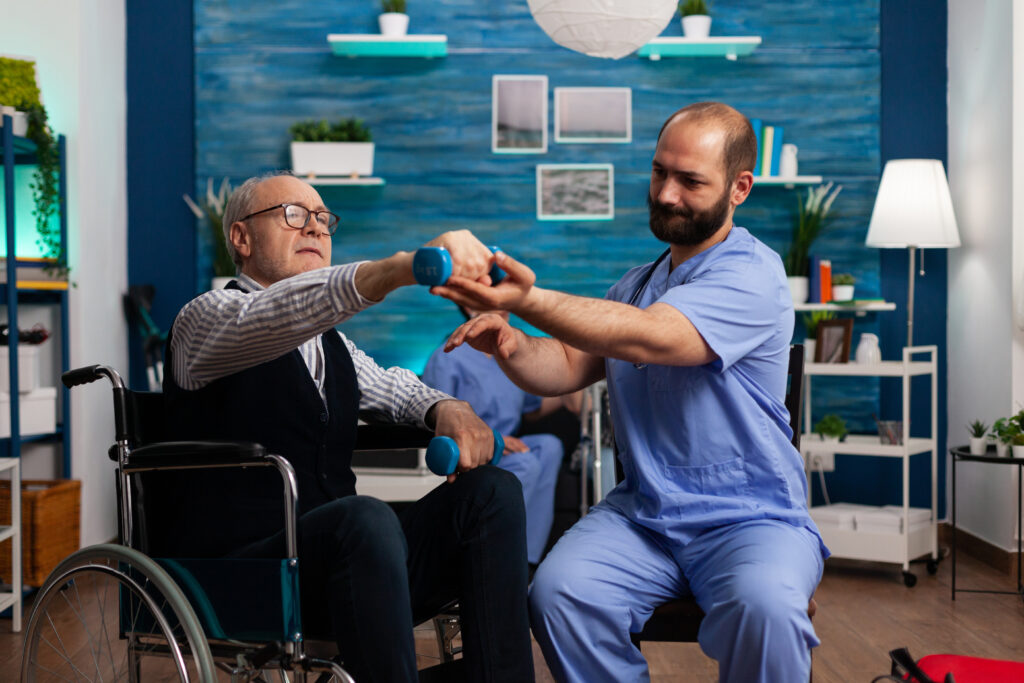
Physiotherapy is one of the fastest-growing healthcare professions in the world. With increasing awareness about physical rehabilitation, sports injuries, neurological disorders, and elderly care, the demand for qualified physiotherapists is rising every year. Europe has become a top destination for international students who want to pursue physiotherapy because of its high-quality education system, advanced medical facilities, affordable tuition fees in some countries, and globally recognized degrees.
Studying physiotherapy in Europe not only provides strong academic knowledge but also offers practical exposure in modern hospitals, rehabilitation centers, and research institutions. Many European universities focus on evidence-based practice, innovation, and clinical training, which helps students become skilled professionals.
This complete guide will help you understand everything about studying physiotherapy in Europe, including top universities, admission requirements, eligibility, fees, scholarships, career opportunities, and future scope. This SEO-optimized guide is designed especially for students who want reliable and detailed information in one place.
Why Choose Europe for Physiotherapy Studies?
Europe is one of the best regions in the world for medical and healthcare education. There are many reasons why students prefer Europe for physiotherapy programs.
1. High-Quality Education
European universities follow strict academic standards and quality assurance systems. Most institutions are accredited by national and international medical and health authorities. The curriculum is updated regularly to match global healthcare standards.
2. International Recognition
Degrees from European universities are accepted worldwide. Graduates can work in countries such as the UK, Canada, Australia, Middle East, and Asia after meeting local licensing requirements.
3. Strong Clinical Training
European universities emphasize hands-on learning. Students get practical exposure in hospitals, sports clinics, rehabilitation centers, and community health facilities.
4. Affordable Tuition Fees
Compared to countries like the USA and UK, many European countries such as Germany, Poland, Hungary, and Spain offer physiotherapy programs at reasonable costs.
5. Multicultural Environment
Europe attracts students from all over the world. Studying in such an environment helps improve communication skills, cultural awareness, and professional networking.
6. Research and Innovation
Europe is a global leader in medical research. Many universities are involved in advanced research in rehabilitation science, biomechanics, sports medicine, and neurology.
Types of Physiotherapy Programs in Europe
European universities offer different levels of physiotherapy education.
1. Bachelor’s Degree in Physiotherapy
- Duration: 3 to 4 years
- Focus: Basic sciences, anatomy, physiology, rehabilitation techniques, clinical practice
- Suitable for: Students after 12th grade
2. Master’s Degree in Physiotherapy
- Duration: 1.5 to 2 years
- Focus: Specialization, research, advanced clinical skills
- Suitable for: Graduates in physiotherapy or related fields
3. Doctorate (PhD) in Physiotherapy
- Duration: 3 to 5 years
- Focus: Research and academic career
- Suitable for: Students interested in teaching and research
Top Universities for Physiotherapy in Europe
Below are some of the best universities in Europe known for their physiotherapy and rehabilitation science programs.
1. University of Oxford – United Kingdom
The University of Oxford is one of the world’s most prestigious universities. It offers advanced programs in health sciences and rehabilitation.
Key Highlights
- Strong research facilities
- World-class faculty
- Excellent clinical partnerships
- Global recognition
Programs Offered
- Rehabilitation Science
- Clinical Health Research
- Physiotherapy-related postgraduate programs
Career Scope
Graduates can work in top hospitals, research centers, and international healthcare organizations.
2. University of Manchester – United Kingdom
The University of Manchester is known for its healthcare and medical science departments.
Key Highlights
- Modern teaching hospitals
- Evidence-based curriculum
- Strong industry connections
Programs Offered
- BSc Physiotherapy
- MSc Advanced Physiotherapy
3. Karolinska Institute – Sweden
Karolinska Institute is one of Europe’s leading medical universities. It is famous for medical research and innovation.
Key Highlights
- Focus on research
- International collaborations
- Nobel Prize association
Programs Offered
- Physiotherapy
- Rehabilitation Medicine
- Clinical Science
4. KU Leuven – Belgium
KU Leuven is one of the oldest and most respected universities in Europe.
Key Highlights
- Strong biomedical department
- Excellent laboratory facilities
- High employability rate
Programs Offered
- Master in Rehabilitation Sciences
- Physiotherapy Specializations
5. Heidelberg University – Germany
Heidelberg University is Germany’s oldest university and a leader in medical education.
Key Highlights
- Low tuition fees
- Advanced medical research
- Strong hospital network
Programs Offered
- Rehabilitation Science
- Clinical Therapy Programs
6. University of Barcelona – Spain
The University of Barcelona offers high-quality healthcare programs with practical exposure.
Key Highlights
- Affordable fees
- Mediterranean lifestyle
- Strong clinical training
Programs Offered
- Physiotherapy
- Sports Rehabilitation
7. Charles University – Czech Republic
Charles University is popular among international medical students.
Key Highlights
- English-taught programs
- Affordable education
- Strong academic reputation
Programs Offered
- Physiotherapy
- Rehabilitation Therapy
8. University of Milan – Italy
The University of Milan is well-known for its medical and health science programs.
Key Highlights
- Modern infrastructure
- Research-oriented teaching
- International student support
Programs Offered
- Physiotherapy
- Rehabilitation Sciences
9. Semmelweis University – Hungary
Semmelweis University is a top medical university in Central Europe.
Key Highlights
- English programs
- High clinical exposure
- Affordable tuition
Programs Offered
- Physiotherapy
- Medical Rehabilitation
10. University of Warsaw – Poland
The University of Warsaw offers quality education at reasonable costs.
Key Highlights
- Growing healthcare sector
- International curriculum
- Good job prospects
Programs Offered
- Physiotherapy
- Health Sciences
Eligibility Criteria for Physiotherapy in Europe
Admission requirements may vary, but common eligibility criteria include:
For Bachelor’s Degree
- Completion of 12th grade with Biology
- Subjects: Physics, Chemistry, Biology
- Minimum percentage: 50% to 60%
- English proficiency (IELTS/TOEFL in some cases)
For Master’s Degree
- Bachelor’s degree in Physiotherapy
- Minimum GPA as required
- English language proficiency
- Statement of Purpose
For PhD
- Master’s degree
- Research proposal
- Academic publications (preferred)
Admission Process
Step-by-step admission process:
- Research universities
- Check eligibility
- Prepare documents
- Apply online
- Attend interview (if required)
- Receive offer letter
- Apply for visa
- Arrange accommodation
- Travel and enroll
Required Documents
- Academic transcripts
- Passport
- Statement of Purpose
- Letter of Recommendation
- CV/Resume
- English test score
- Medical certificate
- Financial proof
Tuition Fees and Living Cost
Tuition Fees (Approximate)
- UK: €12,000 – €25,000 per year
- Germany: €500 – €3,000 per year
- Poland: €3,000 – €6,000 per year
- Hungary: €4,000 – €8,000 per year
- Spain/Italy: €3,000 – €7,000 per year
Living Cost
- €600 – €1,200 per month depending on country and city
Scholarships for Physiotherapy Students
Many European countries offer scholarships:
- Government scholarships
- University scholarships
- Merit-based awards
- Need-based assistance
- Erasmus+ programs
Scholarships can reduce financial burden and support living expenses.
Career Opportunities After Physiotherapy in Europe
After completing physiotherapy, students can work in various sectors.
Job Roles
- Clinical Physiotherapist
- Sports Therapist
- Rehabilitation Specialist
- Pediatric Physiotherapist
- Neurological Therapist
- Researcher
- Lecturer
Workplaces
- Hospitals
- Sports academies
- Rehabilitation centers
- Private clinics
- Universities
- NGOs
Salary of Physiotherapists in Europe
Average annual salaries:
- UK: €30,000 – €50,000
- Germany: €35,000 – €55,000
- Sweden: €40,000 – €60,000
- Poland: €20,000 – €35,000
- Hungary: €18,000 – €30,000
Salary depends on experience, location, and specialization.
Licensing and Registration
Most European countries require registration with local health authorities.
Steps usually include:
- Degree verification
- Language proficiency
- Professional exam
- Internship
Proper registration is necessary to practice legally.
Advantages of Studying Physiotherapy in Europe
- High academic standards
- Global exposure
- Modern infrastructure
- Research opportunities
- Strong job market
- Cultural experience
Challenges and Solutions
Language Barrier
Some countries teach in local languages. Solution: Choose English-taught programs or learn basic local language.
Cultural Adjustment
New environment may feel difficult. Solution: Join student groups and university support services.
Financial Management
Living abroad can be costly. Solution: Apply for scholarships and part-time jobs.
Tips for Choosing the Right University
- Check accreditation
- Compare curriculum
- Review clinical training
- Analyze fees
- Look at graduate employment
- Check student reviews
Future Scope of Physiotherapy in Europe
With aging populations and increasing lifestyle diseases, demand for physiotherapists will continue to grow. Europe is investing heavily in healthcare infrastructure and rehabilitation services. This ensures long-term career stability and professional growth.
Emerging fields include:
- Sports rehabilitation
- Geriatric physiotherapy
- Digital rehabilitation
- Tele-physiotherapy
- AI-based therapy tools
Frequently Asked Questions (FAQs)
Is physiotherapy in Europe good for international students?
Yes, Europe offers high-quality education, global recognition, and strong career opportunities.
Can I study physiotherapy in English in Europe?
Yes, many universities offer English-taught programs.
Is NEET required for Europe?
In most European countries, NEET is not mandatory, but eligibility varies.
Can I work while studying?
Yes, most countries allow part-time work for students.
Can I settle in Europe after graduation?
Yes, many countries offer post-study work visas.
Conclusion
Europe is one of the best destinations for studying physiotherapy due to its world-class education system, strong clinical exposure, affordable options, and international recognition. From the UK and Germany to Poland and Hungary, students can find excellent universities that suit their academic and financial needs.
By choosing the right university, preparing proper documents, and focusing on skill development, students can build a successful career in physiotherapy. Whether you want to work in hospitals, sports centers, research institutions, or private practice, a European physiotherapy degree can open doors worldwide.
This complete guide aims to help students make informed decisions and confidently plan their future in physiotherapy in Europe.Top Universities for Physiotherapy in Europe: A Complete Guide for Students
Introduction
Physiotherapy is one of the fastest-growing healthcare professions in the world. With increasing awareness about physical rehabilitation, sports injuries, neurological disorders, and elderly care, the demand for qualified physiotherapists is rising every year. Europe has become a top destination for international students who want to pursue physiotherapy because of its high-quality education system, advanced medical facilities, affordable tuition fees in some countries, and globally recognized degrees.
Studying physiotherapy in Europe not only provides strong academic knowledge but also offers practical exposure in modern hospitals, rehabilitation centers, and research institutions. Many European universities focus on evidence-based practice, innovation, and clinical training, which helps students become skilled professionals.
This complete guide will help you understand everything about studying physiotherapy in Europe, including top universities, admission requirements, eligibility, fees, scholarships, career opportunities, and future scope. This SEO-optimized guide is designed especially for students who want reliable and detailed information in one place.
Why Choose Europe for Physiotherapy Studies?
Europe is one of the best regions in the world for medical and healthcare education. There are many reasons why students prefer Europe for physiotherapy programs.
1. High-Quality Education
European universities follow strict academic standards and quality assurance systems. Most institutions are accredited by national and international medical and health authorities. The curriculum is updated regularly to match global healthcare standards.
2. International Recognition
Degrees from European universities are accepted worldwide. Graduates can work in countries such as the UK, Canada, Australia, Middle East, and Asia after meeting local licensing requirements.
3. Strong Clinical Training
European universities emphasize hands-on learning. Students get practical exposure in hospitals, sports clinics, rehabilitation centers, and community health facilities.
4. Affordable Tuition Fees
Compared to countries like the USA and UK, many European countries such as Germany, Poland, Hungary, and Spain offer physiotherapy programs at reasonable costs.
5. Multicultural Environment
Europe attracts students from all over the world. Studying in such an environment helps improve communication skills, cultural awareness, and professional networking.
6. Research and Innovation
Europe is a global leader in medical research. Many universities are involved in advanced research in rehabilitation science, biomechanics, sports medicine, and neurology.
Types of Physiotherapy Programs in Europe
European universities offer different levels of physiotherapy education.
1. Bachelor’s Degree in Physiotherapy
- Duration: 3 to 4 years
- Focus: Basic sciences, anatomy, physiology, rehabilitation techniques, clinical practice
- Suitable for: Students after 12th grade
2. Master’s Degree in Physiotherapy
- Duration: 1.5 to 2 years
- Focus: Specialization, research, advanced clinical skills
- Suitable for: Graduates in physiotherapy or related fields
3. Doctorate (PhD) in Physiotherapy
- Duration: 3 to 5 years
- Focus: Research and academic career
- Suitable for: Students interested in teaching and research
Top Universities for Physiotherapy in Europe
Below are some of the best universities in Europe known for their physiotherapy and rehabilitation science programs.
1. University of Oxford – United Kingdom
The University of Oxford is one of the world’s most prestigious universities. It offers advanced programs in health sciences and rehabilitation.
Key Highlights
- Strong research facilities
- World-class faculty
- Excellent clinical partnerships
- Global recognition
Programs Offered
- Rehabilitation Science
- Clinical Health Research
- Physiotherapy-related postgraduate programs
Career Scope
Graduates can work in top hospitals, research centers, and international healthcare organizations.
2. University of Manchester – United Kingdom
The University of Manchester is known for its healthcare and medical science departments.
Key Highlights
- Modern teaching hospitals
- Evidence-based curriculum
- Strong industry connections
Programs Offered
- BSc Physiotherapy
- MSc Advanced Physiotherapy
3. Karolinska Institute – Sweden
Karolinska Institute is one of Europe’s leading medical universities. It is famous for medical research and innovation.
Key Highlights
- Focus on research
- International collaborations
- Nobel Prize association
Programs Offered
- Physiotherapy
- Rehabilitation Medicine
- Clinical Science
4. KU Leuven – Belgium
KU Leuven is one of the oldest and most respected universities in Europe.
Key Highlights
- Strong biomedical department
- Excellent laboratory facilities
- High employability rate
Programs Offered
- Master in Rehabilitation Sciences
- Physiotherapy Specializations
5. Heidelberg University – Germany
Heidelberg University is Germany’s oldest university and a leader in medical education.
Key Highlights
- Low tuition fees
- Advanced medical research
- Strong hospital network
Programs Offered
- Rehabilitation Science
- Clinical Therapy Programs
6. University of Barcelona – Spain
The University of Barcelona offers high-quality healthcare programs with practical exposure.
Key Highlights
- Affordable fees
- Mediterranean lifestyle
- Strong clinical training
Programs Offered
- Physiotherapy
- Sports Rehabilitation
7. Charles University – Czech Republic
Charles University is popular among international medical students.
Key Highlights
- English-taught programs
- Affordable education
- Strong academic reputation
Programs Offered
- Physiotherapy
- Rehabilitation Therapy
8. University of Milan – Italy
The University of Milan is well-known for its medical and health science programs.
Key Highlights
- Modern infrastructure
- Research-oriented teaching
- International student support
Programs Offered
- Physiotherapy
- Rehabilitation Sciences
9. Semmelweis University – Hungary
Semmelweis University is a top medical university in Central Europe.
Key Highlights
- English programs
- High clinical exposure
- Affordable tuition
Programs Offered
- Physiotherapy
- Medical Rehabilitation
10. University of Warsaw – Poland
The University of Warsaw offers quality education at reasonable costs.
Key Highlights
- Growing healthcare sector
- International curriculum
- Good job prospects
Programs Offered
- Physiotherapy
- Health Sciences
Eligibility Criteria for Physiotherapy in Europe
Admission requirements may vary, but common eligibility criteria include:
For Bachelor’s Degree
- Completion of 12th grade with Biology
- Subjects: Physics, Chemistry, Biology
- Minimum percentage: 50% to 60%
- English proficiency (IELTS/TOEFL in some cases)
For Master’s Degree
- Bachelor’s degree in Physiotherapy
- Minimum GPA as required
- English language proficiency
- Statement of Purpose
For PhD
- Master’s degree
- Research proposal
- Academic publications (preferred)
Admission Process
Step-by-step admission process:
- Research universities
- Check eligibility
- Prepare documents
- Apply online
- Attend interview (if required)
- Receive offer letter
- Apply for visa
- Arrange accommodation
- Travel and enroll
Required Documents
- Academic transcripts
- Passport
- Statement of Purpose
- Letter of Recommendation
- CV/Resume
- English test score
- Medical certificate
- Financial proof
Tuition Fees and Living Cost
Tuition Fees (Approximate)
- UK: €12,000 – €25,000 per year
- Germany: €500 – €3,000 per year
- Poland: €3,000 – €6,000 per year
- Hungary: €4,000 – €8,000 per year
- Spain/Italy: €3,000 – €7,000 per year
Living Cost
- €600 – €1,200 per month depending on country and city
Scholarships for Physiotherapy Students
Many European countries offer scholarships:
- Government scholarships
- University scholarships
- Merit-based awards
- Need-based assistance
- Erasmus+ programs
Scholarships can reduce financial burden and support living expenses.
Career Opportunities After Physiotherapy in Europe
After completing physiotherapy, students can work in various sectors.
Job Roles
- Clinical Physiotherapist
- Sports Therapist
- Rehabilitation Specialist
- Pediatric Physiotherapist
- Neurological Therapist
- Researcher
- Lecturer
Workplaces
- Hospitals
- Sports academies
- Rehabilitation centers
- Private clinics
- Universities
- NGOs
Salary of Physiotherapists in Europe
Average annual salaries:
- UK: €30,000 – €50,000
- Germany: €35,000 – €55,000
- Sweden: €40,000 – €60,000
- Poland: €20,000 – €35,000
- Hungary: €18,000 – €30,000
Salary depends on experience, location, and specialization.
Licensing and Registration
Most European countries require registration with local health authorities.
Steps usually include:
- Degree verification
- Language proficiency
- Professional exam
- Internship
Proper registration is necessary to practice legally.
Advantages of Studying Physiotherapy in Europe
- High academic standards
- Global exposure
- Modern infrastructure
- Research opportunities
- Strong job market
- Cultural experience
Challenges and Solutions
Language Barrier
Some countries teach in local languages. Solution: Choose English-taught programs or learn basic local language.
Cultural Adjustment
New environment may feel difficult. Solution: Join student groups and university support services.
Financial Management
Living abroad can be costly. Solution: Apply for scholarships and part-time jobs.
Tips for Choosing the Right University
- Check accreditation
- Compare curriculum
- Review clinical training
- Analyze fees
- Look at graduate employment
- Check student reviews
Future Scope of Physiotherapy in Europe
With aging populations and increasing lifestyle diseases, demand for physiotherapists will continue to grow. Europe is investing heavily in healthcare infrastructure and rehabilitation services. This ensures long-term career stability and professional growth.
Emerging fields include:
- Sports rehabilitation
- Geriatric physiotherapy
- Digital rehabilitation
- Tele-physiotherapy
- AI-based therapy tools
Frequently Asked Questions (FAQs)
Is physiotherapy in Europe good for international students?
Yes, Europe offers high-quality education, global recognition, and strong career opportunities.
Can I study physiotherapy in English in Europe?
Yes, many universities offer English-taught programs.
Is NEET required for Europe?
In most European countries, NEET is not mandatory, but eligibility varies.
Can I work while studying?
Yes, most countries allow part-time work for students.
Can I settle in Europe after graduation?
Yes, many countries offer post-study work visas.
Conclusion
Europe is one of the best destinations for studying physiotherapy due to its world-class education system, strong clinical exposure, affordable options, and international recognition. From the UK and Germany to Poland and Hungary, students can find excellent universities that suit their academic and financial needs.
By choosing the right university, preparing proper documents, and focusing on skill development, students can build a successful career in physiotherapy. Whether you want to work in hospitals, sports centers, research institutions, or private practice, a European physiotherapy degree can open doors worldwide.
This complete guide aims to help students make informed decisions and confidently plan their future in physiotherapy in Europe..visit the Federal Employment Agency’s Ausbildung Portal or the Make It In Germany website.