
Choosing to become a plumber (Klempner) in Germany is a practical and rewarding career decision. Germany is renowned for its strong vocational training system, known as Ausbildung, which provides hands-on experience, structured learning, and a secure path to employment. During the Ausbildung, aspiring plumbers acquire technical expertise, craftsmanship, and an understanding of safety and environmental standards that define Germany’s excellence in skilled trades.
In this detailed guide, we will explore the various duties, responsibilities, learning phases, and skills that a plumbing trainee undertakes during the Ausbildung in Germany. Whether you are planning to apply for a plumbing apprenticeship or simply want to understand what the job involves, this article will give you a full picture of what life as a plumbing apprentice looks like.
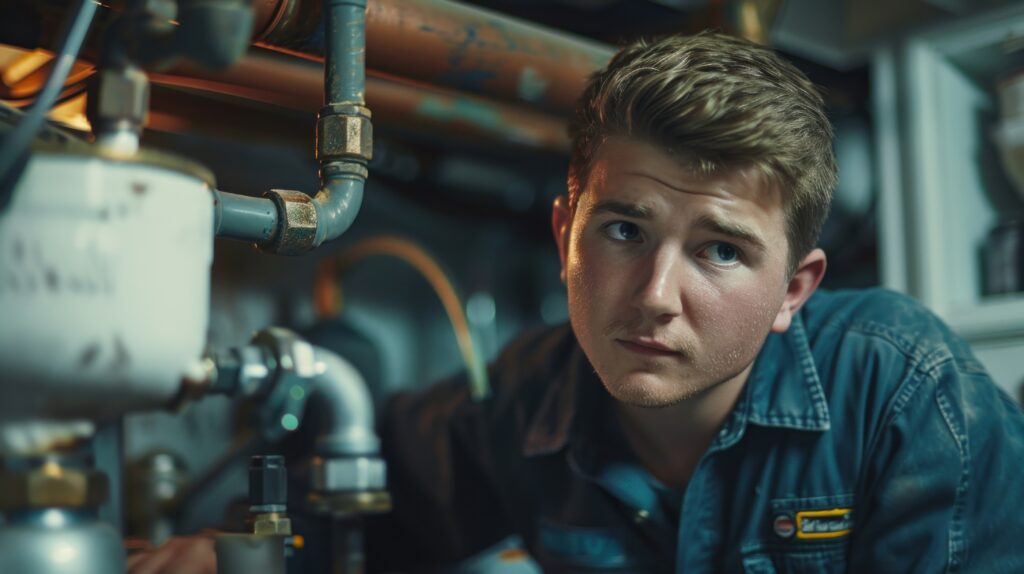
Understanding the Plumber’s (Klempner’s) Role in Germany
In Germany, a Klempner (also known as Anlagenmechaniker für Sanitär-, Heizungs- und Klimatechnik in modern terms) is a skilled tradesperson responsible for installing, repairing, and maintaining plumbing, heating, and sanitation systems.
A plumber’s work extends far beyond fixing leaks or unclogging pipes. They are responsible for ensuring safe and efficient water supply systems, setting up heating systems, installing air conditioning, and even working with renewable energy technologies such as solar thermal systems.
Plumbers play a crucial role in maintaining public health and environmental sustainability by ensuring that water, gas, and waste systems are installed and maintained to the highest standards.
Overview of the Plumbing Ausbildung in Germany
The Ausbildung as a plumber (Klempner) in Germany generally lasts 3 to 3.5 years and follows the dual training system — combining classroom instruction at a vocational school (Berufsschule) with practical training in a company (Betrieb).
During the Ausbildung, apprentices are employed by a plumbing or mechanical company and receive a monthly stipend. They spend part of the week gaining hands-on experience and the other part learning theoretical concepts in vocational school.
By the end of the training, the apprentice will have mastered the technical, mechanical, and theoretical knowledge required to become a fully qualified plumber.
Daily Duties of a Plumber During Ausbildung
The daily responsibilities of a plumbing apprentice vary depending on the year of training, the company, and the type of projects being handled. However, the core duties generally include a combination of installation, maintenance, repair, and technical documentation.
Let’s break down the main duties that a plumbing apprentice in Germany performs during the Ausbildung.
1. Learning to Read and Interpret Technical Drawings
One of the first skills a plumbing apprentice learns is how to read and understand technical drawings and blueprints. These documents are essential for planning and executing installation work.
Apprentices study how to interpret symbols, measurements, and pipe layouts to ensure that installations are accurate and safe. They also learn how to create simple technical sketches themselves, which is useful for small modifications or reporting work done on-site.
2. Installing Water Supply Systems
A major duty of a plumber during Ausbildung is the installation of water supply systems in residential, commercial, or industrial buildings. Apprentices learn how to:
- Measure and cut pipes accurately
- Install fittings, valves, and joints
- Connect water lines to sinks, toilets, and other fixtures
- Test systems for leaks and pressure
This task requires precision, technical understanding, and awareness of hygiene and safety standards. The goal is to ensure that clean water reaches all designated points in a building without contamination or pressure loss.
3. Installing and Maintaining Drainage Systems
Equally important is the installation of wastewater and drainage systems. Apprentices are taught how to plan and install drainpipes, traps, and vents to ensure that wastewater flows away efficiently without causing blockages or odors.
During the Ausbildung, they also learn how to use tools for detecting and fixing blockages, cleaning drains, and maintaining proper flow rates. Understanding how wastewater interacts with the overall sanitation system is a key part of the training.
4. Working with Heating and Climate Systems
Modern plumbers in Germany are trained not just in water systems but also in heating and climate technology. This includes installing:
- Central heating systems (radiators, underfloor heating)
- Gas or oil boilers
- Solar thermal panels
- Heat pumps and air-conditioning units
Apprentices gain hands-on experience with these systems, learning how to connect heating circuits, test temperature controls, and perform regular maintenance.
Since energy efficiency is a major focus in Germany, plumbers are also trained in sustainable heating technologies and environmental regulations.
5. Repair and Maintenance Work
A plumber’s job is not limited to installation. Maintenance and repair work form a significant portion of their duties.
During the Ausbildung, apprentices learn to:
- Diagnose problems in existing plumbing or heating systems
- Replace damaged pipes or fittings
- Clean filters and valves
- Check for gas or water leaks
- Conduct regular service inspections
They also develop troubleshooting skills and learn to interact professionally with clients while explaining problems and solutions clearly.
6. Understanding Safety and Hygiene Regulations
Safety and hygiene are top priorities in the German plumbing industry. Apprentices are trained to follow strict health, safety, and environmental standards during every task.
They learn about workplace safety measures, such as:
- Handling gas safely
- Preventing water contamination
- Avoiding electrical hazards
- Using protective equipment
They also become familiar with Germany’s building codes and sanitation laws, ensuring that all installations meet official standards.
7. Using Modern Tools and Equipment
During the Ausbildung, apprentices become proficient in using various plumbing tools and machines such as pipe cutters, soldering tools, welding machines, and pressure testing devices.
They also learn how to operate modern diagnostic equipment, including leak detectors and digital measuring devices. This training ensures that they can perform both traditional and technologically advanced tasks efficiently.
8. Working on Construction Sites
Many plumbing apprentices spend a large part of their Ausbildung on construction sites.
Here, they assist in installing complete plumbing and heating systems in new buildings, often working alongside electricians, carpenters, and other tradespeople.
This environment teaches teamwork, coordination, and the ability to follow project plans while adhering to tight schedules.
9. Customer Interaction and Communication
A good plumber must also have strong customer service and communication skills. Apprentices learn how to interact politely with clients, explain repairs or installations, and provide maintenance tips.
In some cases, they may handle service calls independently under supervision, where they must assess a problem, suggest solutions, and ensure customer satisfaction.
This skill is especially important for those who plan to run their own plumbing business in the future.
10. Documentation and Record Keeping
Every task performed by a plumber in Germany must be properly documented. Apprentices are trained to maintain accurate records of materials used, work hours, and installation plans.
They may also learn to use computer-based documentation systems for tracking service reports or creating invoices. This administrative skill is an essential part of becoming a well-rounded professional.
Theoretical Learning in Berufsschule
Alongside practical work, plumbing apprentices attend Berufsschule (vocational school), where they learn the theoretical foundations of their trade.
Subjects typically include:
- Mathematics and physics (for calculating flow rates, pressure, and energy use)
- Materials science (understanding pipes, metals, plastics, and insulation)
- Technical drawing and CAD design
- Environmental protection and energy efficiency
- German labor and safety regulations
This classroom learning complements the on-the-job experience and prepares apprentices for exams and real-world challenges.
The Three Years of Plumbing Ausbildung: A Breakdown
The Ausbildung is structured to gradually increase the apprentice’s responsibilities and skills over time.
Year 1: Introduction and Basics
- Learning about tools, materials, and safety
- Understanding water and heating systems
- Assisting in simple installations under supervision
- Learning to read and create basic technical drawings
Year 2: Skill Development
- Performing small installation tasks independently
- Testing and maintaining systems
- Learning about advanced heating and energy systems
- Introduction to gas installation and renewable energy
Year 3: Professional Practice and Specialization
- Handling complete installations
- Troubleshooting complex issues
- Working on larger projects
- Preparing for the final examination (Gesellenprüfung)
By the end of the third year, the apprentice should be able to work independently and demonstrate competence across all key areas of the trade.
Working Conditions During Ausbildung
Plumbing apprentices work both indoors and outdoors, depending on the project. The job may involve physical labor, working in confined spaces, or dealing with challenging weather conditions.
However, safety measures, proper clothing, and modern tools make the work manageable and rewarding. Apprentices gain not just technical skills but also physical fitness, endurance, and problem-solving abilities.
Skills Developed During the Ausbildung
Throughout the Ausbildung, apprentices develop a combination of technical, mechanical, and interpersonal skills, such as:
- Manual dexterity and precision
- Technical understanding of systems
- Ability to work independently and in teams
- Time management and organization
- Customer communication and professionalism
- Problem-solving and critical thinking
These skills form the foundation for a successful and stable career in the plumbing industry.
Salary During Plumbing Ausbildung in Germany
Although the focus of Ausbildung is on learning, apprentices receive a monthly stipend. While exact amounts vary by region and employer, the average gross salary is approximately:
- Year 1: €850 – €1,000 per month
- Year 2: €950 – €1,100 per month
- Year 3: €1,050 – €1,250 per month
Upon completion of the Ausbildung, fully qualified plumbers (Gesellen) can earn between €2,800 and €3,500 per month, depending on experience and region. With additional qualifications, salaries can rise even higher.
Career Opportunities After Completing the Ausbildung
After successfully finishing the Ausbildung and passing the final exam, graduates have several career paths open to them:
- Work as a qualified plumber (Geselle): Joining construction firms, maintenance companies, or municipal services.
- Master craftsman (Meister): After gaining experience, plumbers can pursue the Meisterbrief, allowing them to train apprentices or start their own business.
- Further specialization: In renewable energy systems, gas installations, or building technology.
- Self-employment: Many skilled plumbers eventually start their own service companies or become independent contractors.
The demand for skilled tradespeople in Germany remains high, making plumbing a secure and respected profession.
Environmental Awareness and Sustainability in Plumbing
Modern plumbers in Germany are also expected to understand the principles of environmental protection and sustainability. Apprentices are taught to work efficiently with water and energy resources, minimize waste, and install systems that reduce environmental impact.
This includes knowledge about:
- Solar heating systems
- Rainwater harvesting
- Energy-saving installations
- Environmentally friendly materials
This environmental awareness makes the profession more future-oriented and aligns with Germany’s commitment to sustainability.
Importance of Teamwork and Professionalism
Teamwork is a central element of the Ausbildung. Apprentices often work alongside experienced technicians, engineers, and other apprentices. They learn the importance of punctuality, reliability, and maintaining a positive work ethic.
Professionalism also includes presenting oneself properly, respecting workplace rules, and demonstrating accountability in every task. These soft skills are just as vital as technical abilities for long-term success.
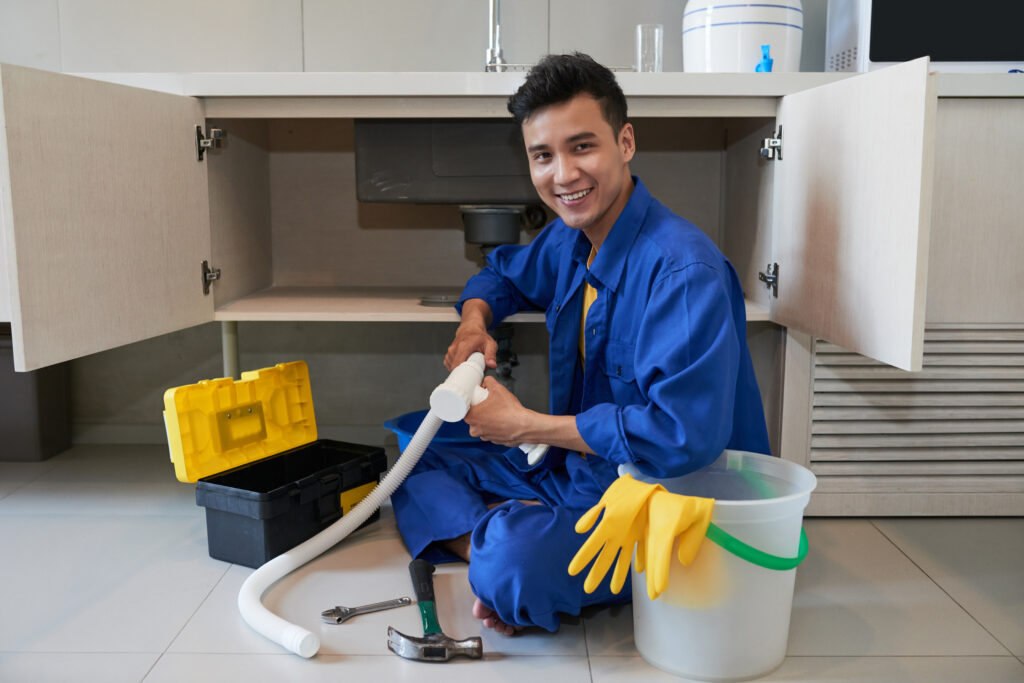
Challenges Faced During Ausbildung
Like any technical training, the plumbing Ausbildung comes with its challenges. Apprentices must adapt to physical work, irregular schedules, and the pressure of meeting deadlines.
However, with proper guidance and motivation, most trainees find the experience rewarding. The combination of earning while learning, gaining practical experience, and achieving a recognized qualification makes the effort worthwhile.
Why Choose a Plumbing Ausbildung in Germany?
There are many reasons why international and local students choose this path:
- High demand for skilled plumbers
- Attractive salaries and job security
- Opportunity to work with advanced technologies
- Hands-on learning and professional recognition
- Pathway to self-employment or higher education
Germany’s vocational system ensures that every graduate is job-ready and respected as a skilled professional.
Final Thoughts
The duties of a plumber (Klempner) during Ausbildung in Germany extend far beyond simple pipework. From learning complex heating systems to ensuring hygiene, safety, and energy efficiency, a plumbing apprentice becomes an expert in technical and environmental systems that support modern living.
This profession combines craftsmanship, technology, and sustainability — a combination that defines the future of skilled trades in Germany. For anyone looking to build a stable, practical, and respected career, the plumbing Ausbildung is an excellent choice.