
Butcher Ausbildung in Germany: Complete 2026 Guide
Fleischer — Germany’s official butcher trade — is a genuinely steady, well-paid skilled trade covering meat processing, quality inspection and increasingly food-safety technology, and it faces real ongoing shortage. Here is what it pays and how to get in.
Fleischer — butcher — is Germany’s official meat-trade qualification, and it covers a genuinely broader scope than the English word suggests: meat processing and cutting, sausage and cured-product manufacturing, quality and hygiene inspection, and increasingly food-safety technology and traceability systems. It is a steady, essential-industry trade that companies across supermarkets, craft butcher shops and large processing plants actively recruit for.
This guide covers real training pay year by year, what qualifies you to apply as an international candidate, the visa route, and how to actually find a company willing to sign a contract.
What the Training Actually Covers
A 3-year dual Ausbildung covering meat processing, product manufacturing and food-safety standards.
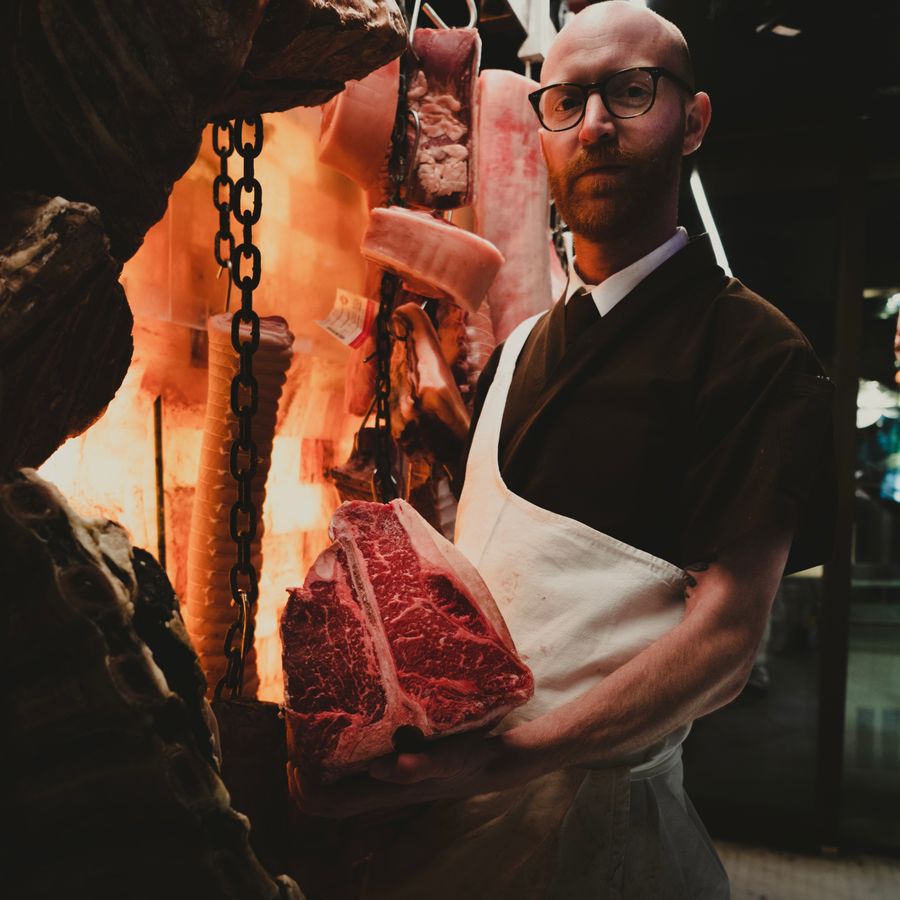
Fleischer training runs 3 years under Germany’s dual system: most of the week working inside a real butcher shop, supermarket meat department, or processing plant, one to two days a week at a Berufsschule covering meat science, hygiene regulation, sausage and cured-product production technique, and food-safety law.
The training ends with a Gesellenpruefung (journeyman’s exam) set by the regional Chamber of Trade (Handwerkskammer). Passing it makes you a fully qualified, nationally recognised Fleischer/in, a credential every German employer in the trade recognises identically, whether you trained at a small craft shop or a large industrial processing facility.
Training Salary, Year by Year
Steady pay that rises meaningfully with the employer type you choose.
Post-qualification pay varies meaningfully by employer type: supermarket meat departments typically pay at the lower end, craft butcher shops sit in the middle, and large industrial processing plants pay the most, reflecting shift work and higher-volume responsibility. The Fleischermeister (master butcher) qualification, which opens running your own shop or supervising a processing operation, regularly commands EUR3,500-4,500 and above. For full 2026 pay figures by city, net salary and the rupee value, see our butcher salary in Germany guide.
Who Can Apply: Eligibility for International Candidates
No university degree needed — comfort with physical, hands-on food industry work matters most.
A completed school qualification broadly equivalent to German Hauptschule/Realschule (10 years of schooling is generally sufficient)
German language ability of at least B1 — mandatory for safety-protocol comprehension, not just recommended
Comfort with physical work in cold-storage environments and around raw meat products
Genuine attention to hygiene and food-safety standards
No prior butchery experience required — the entire trade is taught from scratch during training


The Ausbildungsvisum: How the Visa Route Works
B1 German is effectively mandatory here, not just recommended, given the safety-protocol and hygiene-regulation content.
Reach a solid B1 German before applying
This trade specifically requires B1 for visa approval given the safety and hygiene protocols involved — treat it as a hard prerequisite, not a nice-to-have.
Apply directly to butcher shops, supermarkets or processing plants
Handwerkskammer job boards, the Bundesagentur fuer Arbeit’s Ausbildung portal, and direct outreach are the main channels.
Secure a signed Ausbildungsvertrag and Federal Employment Agency approval
For in-company dual training, Bundesagentur fuer Arbeit approval is required alongside your signed training contract before the visa application can proceed.
Apply for the Ausbildungsvisum (Section 16a residence permit)
Once you hold a signed contract, apply at your nearest German embassy or consulate.
Travel, register, and begin
Complete address registration (Anmeldung) and start the dual programme — workplace training plus Berufsschule.
Day-to-Day Work and Career Tracks
Retail/craft butchery, supermarket meat departments, and industrial processing are the three broad employer types.
Craft butcher shops (Metzgerei) offer the most traditional, hands-on experience — cutting, preparing, and often making sausages and cured products on-site, with direct customer interaction. Supermarket meat departments offer steadier, more structured hours with less variety but strong job security given how many supermarket chains operate nationwide.
Industrial meat-processing plants offer the highest post-qualification pay and increasingly involve food-safety technology, quality-control systems and traceability documentation alongside traditional processing work — a genuinely growing, technology-adjacent specialisation within this trade worth asking about directly if it interests you.
How to Actually Find a Training Company
All three employer types recruit apprentices actively given the ongoing shortage in this trade.
Start with your target region’s Handwerkskammer Ausbildung portal, which lists currently open Fleischer apprenticeship seats and is free to use. Large supermarket chains and processing companies also run their own structured apprenticeship recruitment, sometimes with dedicated international-applicant support, worth researching alongside smaller craft butcher shops.
A direct, well-prepared application — CV, a genuine motivation letter, and proof of your B1 German certificate — sent to five to ten regional employers across all three employer types tends to get faster, more varied responses than a single application through one channel alone.
Budgeting While You Train
Training pay covers real living costs in most German cities, with a meaningful final-year jump.
A year-one training salary of EUR750-950 is workable in smaller and mid-sized German cities, where shared accommodation typically runs EUR300-450 a month, with the final-year jump to EUR1,000-1,300 giving genuinely comfortable room by year three. Mandatory health insurance (around EUR100-140 a month, often partly subsidised), a discounted Azubi-Ticket for public transport, and cold-storage workwear (typically provided by the employer) round out the recurring costs worth planning around beyond rent.
Life After Qualification: Career Path and Long-Term Value
A completed Fleischer qualification opens a direct, essential-industry career path.
A completed, nationally recognised Fleischer qualification is a direct route to a long-term German work permit and, over time, permanent residency. Post-qualification progression typically runs: qualified journeyman (Geselle) building two to three years of experience across your chosen employer type, then either specialising further (sausage/cured-product production, quality inspection, food-safety systems) or pursuing the Fleischermeister qualification, which opens running your own shop or supervising a processing operation.
Because meat processing and food supply are essential, structurally stable industries in Germany, this trade offers unusually consistent long-term job security compared with more cyclical sectors — a genuine, durable career choice worth weighing seriously alongside higher-profile trades.
Where Demand Is Strongest Right Now
Demand is nationwide, with the largest processing plants concentrated in a few key regions.
Lower Saxony, North Rhine-Westphalia and Bavaria host Germany’s largest industrial meat-processing operations and consistently report the most open apprenticeship seats at the higher-paying end of the trade. Smaller cities and eastern German states typically show a proportionally sharper gap between open seats and local applicants for craft butcher shop and supermarket positions specifically.
Given how essential and stable this industry is nationwide, staying flexible on both region and employer type (craft, supermarket, or industrial) is likely to get you a signed contract faster than fixating on one specific city or shop type.
Butcher Ausbildung in Germany: Complete 2026 Guide at a Glance
Common Mistakes Applicants Make
Frequently Asked Questions
Officially Fleischer/in. It covers meat processing and cutting, sausage/cured-product manufacturing, and quality/hygiene inspection.
3 years under the dual system, split between paid work at a butcher shop, supermarket or processing plant and vocational school (Berufsschule).
Training salary starts around EUR750-950 in year one and rises to EUR1,000-1,300 by the final year.
Typically EUR2,500-3,200 in a supermarket setting or EUR2,800-3,800 in an industrial processing plant, and EUR3,500-4,500+ with the Fleischermeister qualification.
No. This is a vocational route open to anyone with a school qualification broadly equivalent to 10 years of schooling; the trade is taught fully from scratch.
A solid B1 is effectively required, not just recommended, given the safety and hygiene-protocol content that visa approval depends on for this specific trade.
Yes — meat processing is an essential industry facing ongoing shortage, and supermarkets, craft shops and processing plants all actively recruit international Azubis.
Industrial processing plants generally pay the most post-qualification (EUR2,800-3,800), followed by craft shops, with supermarket meat departments typically at the lower end but offering strong job security given how many chains operate nationwide.
It involves genuine physical work in cold-storage environments and around raw meat products, but does not require exceptional strength – attention to hygiene, precision and consistency matter more than raw physical power.
Related Guides & Services
Talk to an Admission Germany Counsellor
Tell us your current qualification and German level, and we will tell you honestly how close you are to a signed Fleischer training contract.
Request Free Guidance
Share your details and a counsellor will call you back.
By submitting, you agree to be contacted by our counselling team.