
How Much Can a Butcher Apprentice Earn Per Month in Germany? (Complete Guide)
Butcher apprentice salary in Germany
Germany is one of the top destinations for international students and skilled workers who want to build a stable and successful career through Ausbildung. Among various vocational training programs, the Butcher Ausbildung (Fachverkäufer/in im Lebensmittelhandwerk – Schwerpunkt Fleisch or Fleischer/in) is a popular option for individuals interested in food processing, meat technology, and hands-on culinary skills.
But before starting any vocational training in a foreign country, one of the most important questions that comes to mind is:
“How much can a butcher apprentice earn per month in Germany?”
This detailed guide will explain everything you need to know—monthly salaries, year-wise stipend, factors that affect earnings, post-qualification salary, career growth, and benefits of pursuing the Butcher Ausbildung in Germany.
Let’s dive into the complete 2500-word professional guide.
1. Introduction to Butcher Ausbildung in Germany
Germany’s Ausbildung system is globally admired for its strong combination of classroom learning and practical experience. The Butcher Ausbildung is designed for candidates who want to work in:
- Meat shops
- Supermarkets
- Food processing units
- Restaurants and hotels
- Fresh meat and poultry departments
- Packaging and meat production companies
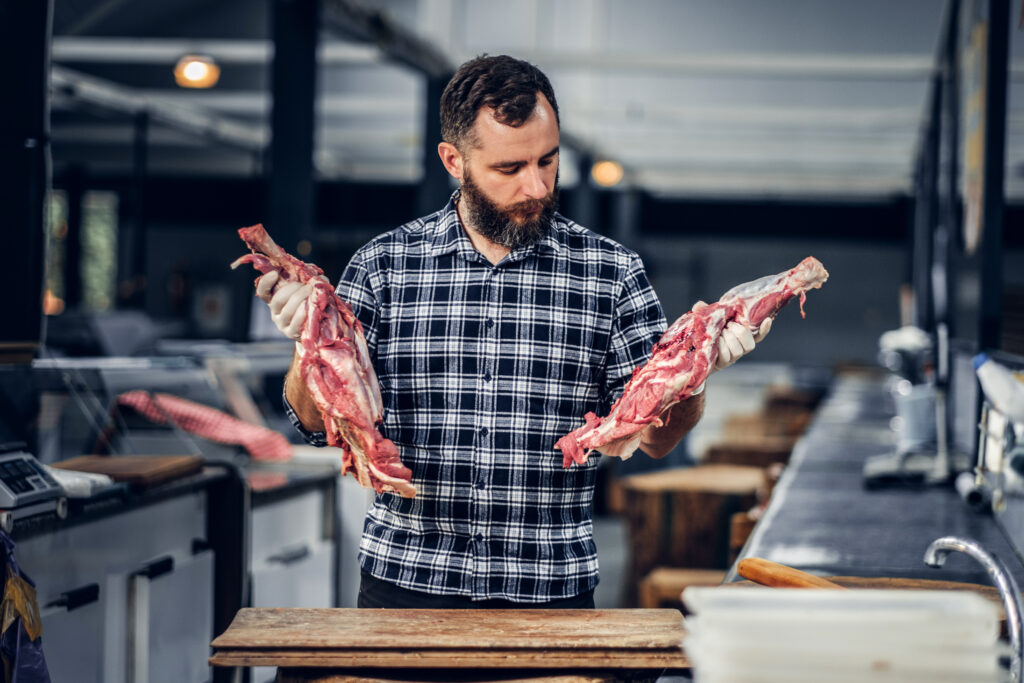
The program typically lasts 3 years, during which apprentices receive a monthly salary (Ausbildungsvergütung). The best part? Apprentices are treated as employees with a legal contract, so they earn while they learn.
2. Monthly Salary of Butcher Apprentices in Germany
Here is the average monthly salary that butcher apprentices can expect during their Ausbildung:
👉 1st Year: €700 – €900 per month
The first year mainly involves learning basic skills such as meat cutting, hygiene standards, handling tools, understanding safety protocols, and customer service.
👉 2nd Year: €800 – €1,000 per month
Apprentices start performing more complex tasks and gain more responsibility, which increases the stipend.
👉 3rd Year: €900 – €1,200 per month
By the third year, apprentices can handle independent operations. This is why the highest stipend is paid at this stage.
These salary ranges may vary depending on:
- State (Bundesland)
- Company size
- Industry type
- Collective agreements (Tarifvertrag)
- Experience and performance
Overall, Germany ensures fair pay to all apprentices, making Ausbildung an attractive career option.
3. State-Wise Salary Difference for Butcher Apprentices
Salary varies from one German state to another due to economic conditions and industry demand. Here is a rough overview:
Highest-paying states:
- Bavaria (Bayern)
- Baden-Württemberg
- Hesse
- Hamburg
Moderate-paying states:
- North Rhine-Westphalia
- Lower Saxony
- Schleswig-Holstein
Lower-paying states:
- Saxony
- Saxony-Anhalt
- Thuringia
While eastern states generally pay a little less, the cost of living is also lower, which balances the overall financial situation.
4. What Does a Butcher Apprentice Do? (Daily Tasks)
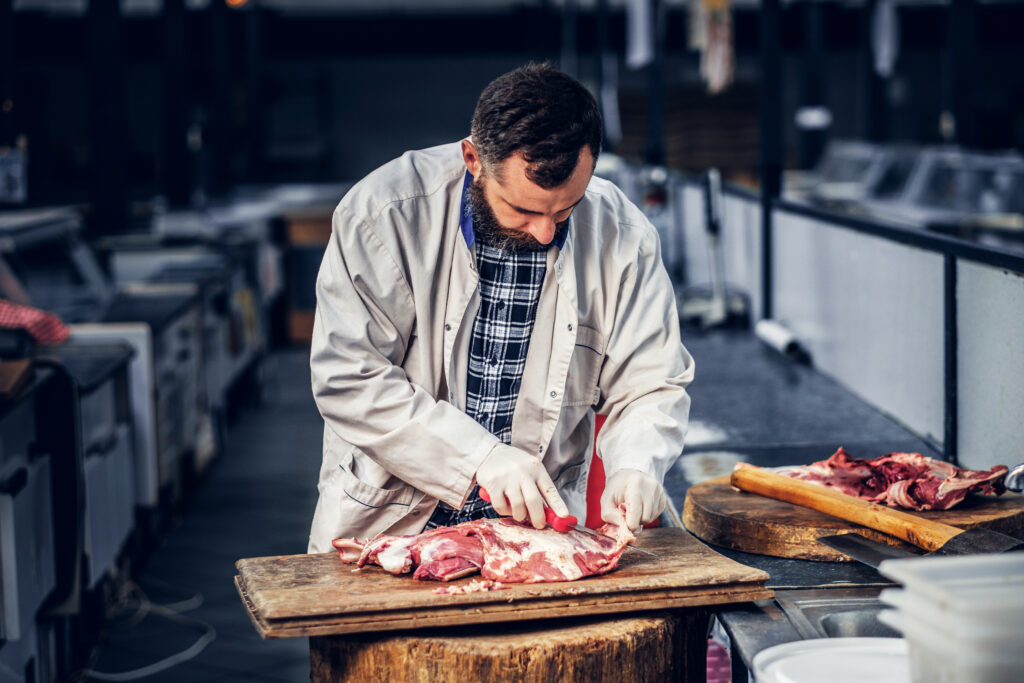
During the Ausbildung, apprentices learn numerous technical and practical skills such as:
Cutting & Processing Meat
- Cutting beef, pork, poultry, and lamb
- Preparing sausages and meat products
- Sorting and packaging meat items
Hygiene & Safety
- Maintaining cleanliness
- Following food safety standards
- Using tools properly
Customer Service
- Helping customers with product selection
- Sharing cooking tips
- Weighing and packaging
Inventory & Operations
- Stock checking
- Storage management
- Working with machines
These skills prepare apprentices for a rewarding and stable career.
5. Benefits of Butcher Ausbildung in Germany
✔ Earn While You Learn
Apprentices receive a monthly salary from day one.
✔ 100% Job Guarantee After Training
Germany faces a shortage of skilled workers in the food sector.
✔ Permanent Residency Opportunity (PR)
After 2 years of full-time work post-Ausbildung, you can apply for PR.
✔ No High Tuition Fees
Education is free in vocational schools.
✔ Internationally Recognized Qualification
The certificate is valid across the EU.
6. After Ausbildung: Salary of a Qualified Butcher in Germany
Once you complete the 3-year training, your salary increases significantly.
👉 Average Salary: €2,200 – €3,000 per month (Gross)
Experienced Butchers Earn Even More: €3,000 – €3,800+ per month
Your earnings depend on:
- Experience
- Skills
- Workplace (supermarket vs. industry)
- Region
- Extra certifications
Butchers who work in large food factories or take supervisory roles earn higher salaries.
7. Career Growth After Butcher Ausbildung
Germany offers excellent growth opportunities:
1. Meister (Master Craftsman)
Become a “Fleischermeister”.
Salary: €3,500 – €4,500 per month
2. Food Technician
Work in large food processing industries.
3. Quality Control Officer
Manage hygiene and inspection.
4. Production Supervisor
Lead teams and manage operations.
5. Own Your Butcher Shop
Start your own business after gaining experience.
Career growth is unlimited with the right skills and dedication.
8. Factors That Influence Butcher Apprentice Salary
1. Company Type
Large companies and supermarkets often pay better.
2. State (Bundesland)
Western states pay more due to stronger economies.
3. Work Hours & Shifts
Additional earnings through:
- Overtime
- Weekend shifts
- Holiday shifts
4. Performance
Good performance can increase your salary slightly each year.
9. Who Can Apply for Butcher Ausbildung? (Eligibility)
Minimum Requirements:
- 10th/12th grade certificate
- Basic English or German
- Interest in food industry
- Physically fit
- Willing to work with meat products
Language Requirement:
- German Level: B1 (required for apprenticeship contract)
- Some companies accept A2 depending on region
10. Work Environment During Butcher Training
Apprentices should be prepared to work in:
- Cold environments
- Fast-paced workplaces
- Morning shifts
- Customer-interactive roles
Proper safety gear and hygiene training are always provided.
11. Challenges of Butcher Ausbildung
Though the field is rewarding, it has a few challenges:
✔ Physical Work
Cutting, lifting, and continuous standing.
✔ Handling Meat
Those uncomfortable with raw meat may find it tough.
✔ Early Morning Shifts
Fresh meat preparation often begins early.
✔ Hygiene Pressure
Strict cleanliness standards must be followed.
However, with time, most apprentices adapt easily.
12. Financial Breakdown of Monthly Salary for Apprentices
Let’s understand how much money an apprentice actually receives:
1st Year Example: €800 Gross
- Social insurance: small deduction
- Health insurance: mandatory contribution
- Take-home salary: €650–€700 per month
2nd Year Example: €950 Gross
- Take-home salary: €750–€800
3rd Year Example: €1,150 Gross
- Take-home salary: €850–€900
Germany’s taxation ensures fair earnings for every worker.
13. Cost of Living for Apprentices in Germany
Big Cities (High Cost):
Berlin, Frankfurt, Munich
- Rent: €400–€600
- Food: €150–€200
- Transport: €49 Deutschlandticket
Small Cities (Affordable):
Leipzig, Dresden, Hannover
- Rent: €250–€400
- Food: €100–€150
Apprentices can comfortably manage their monthly expenses.
14. Scholarships & Extra Benefits
Some companies offer:
- Free uniforms
- Meal allowances
- Travel reimbursement
- Bonus payments
- Holiday pay
These added benefits make Ausbildung even more attractive.
15. Why Choose Butcher Ausbildung in Germany?
✔ High demand
✔ Good salary growth
✔ Opportunity for PR
✔ Skill-based learning
✔ European job mobility
For students seeking a practical career with stability, this is a perfect option.
16. Frequently Asked Questions
Q1: Can international students apply for Butcher Ausbildung?
Yes, absolutely. Thousands of international students join every year.
Q2: Is German compulsory?
Yes, German is necessary for customer interaction and workplace communication.
Q3: How long is the Ausbildung?
The program lasts 3 years.
Q4: What is the minimum salary after Ausbildung?
Minimum: €2,200+ per month.
Q5: Can I get PR after Ausbildung?
Yes, after 2 years of working full-time post-Ausbildung.
Conclusion
The Butcher Ausbildung in Germany offers an excellent opportunity for students who want a secure and well-paid career in the food industry. With monthly earnings ranging from €700 to €1,200 during training, apprentices get solid financial support while learning.
After completing the Ausbildung, salaries rise significantly to €2,200–€3,800 per month, along with job stability, career growth, and PR chances.
If you’re planning to move to Germany for vocational training, this is one of the best career options for long-term success.
How Much Can a Butcher Apprentice Earn Per Month in Germany? (Complete Guide)
Germany is one of the top destinations for international students and skilled workers who want to build a stable and successful career through Ausbildung. Among various vocational training programs, the Butcher Ausbildung (Fachverkäufer/in im Lebensmittelhandwerk – Schwerpunkt Fleisch or Fleischer/in) is a popular option for individuals interested in food processing, meat technology, and hands-on culinary skills.
But before starting any vocational training in a foreign country, one of the most important questions that comes to mind is:
“How much can a butcher apprentice earn per month in Germany?”
This detailed guide will explain everything you need to know—monthly salaries, year-wise stipend, factors that affect earnings, post-qualification salary, career growth, and benefits of pursuing the Butcher Ausbildung in Germany.
Let’s dive into the complete 2500-word professional guide.
1. Introduction to Butcher Ausbildung in Germany
Germany’s Ausbildung system is globally admired for its strong combination of classroom learning and practical experience. The Butcher Ausbildung is designed for candidates who want to work in:
- Meat shops
- Supermarkets
- Food processing units
- Restaurants and hotels
- Fresh meat and poultry departments
- Packaging and meat production companies
The program typically lasts 3 years, during which apprentices receive a monthly salary (Ausbildungsvergütung). The best part? Apprentices are treated as employees with a legal contract, so they earn while they learn.
2. Monthly Salary of Butcher Apprentices in Germany
Here is the average monthly salary that butcher apprentices can expect during their Ausbildung:
👉 1st Year: €700 – €900 per month
The first year mainly involves learning basic skills such as meat cutting, hygiene standards, handling tools, understanding safety protocols, and customer service.
👉 2nd Year: €800 – €1,000 per month
Apprentices start performing more complex tasks and gain more responsibility, which increases the stipend.
👉 3rd Year: €900 – €1,200 per month
By the third year, apprentices can handle independent operations. This is why the highest stipend is paid at this stage.
These salary ranges may vary depending on:
- State (Bundesland)
- Company size
- Industry type
- Collective agreements (Tarifvertrag)
- Experience and performance
Overall, Germany ensures fair pay to all apprentices, making Ausbildung an attractive career option.
3. State-Wise Salary Difference for Butcher Apprentices
Salary varies from one German state to another due to economic conditions and industry demand. Here is a rough overview:
Highest-paying states:
- Bavaria (Bayern)
- Baden-Württemberg
- Hesse
- Hamburg
Moderate-paying states:
- North Rhine-Westphalia
- Lower Saxony
- Schleswig-Holstein
Lower-paying states:
- Saxony
- Saxony-Anhalt
- Thuringia
While eastern states generally pay a little less, the cost of living is also lower, which balances the overall financial situation.
4. What Does a Butcher Apprentice Do? (Daily Tasks)
During the Ausbildung, apprentices learn numerous technical and practical skills such as:
Cutting & Processing Meat
- Cutting beef, pork, poultry, and lamb
- Preparing sausages and meat products
- Sorting and packaging meat items
Hygiene & Safety
- Maintaining cleanliness
- Following food safety standards
- Using tools properly
Customer Service
- Helping customers with product selection
- Sharing cooking tips
- Weighing and packaging
Inventory & Operations
- Stock checking
- Storage management
- Working with machines
These skills prepare apprentices for a rewarding and stable career.
5. Benefits of Butcher Ausbildung in Germany
✔ Earn While You Learn
Apprentices receive a monthly salary from day one.
✔ 100% Job Guarantee After Training
Germany faces a shortage of skilled workers in the food sector.
✔ Permanent Residency Opportunity (PR)
After 2 years of full-time work post-Ausbildung, you can apply for PR.
✔ No High Tuition Fees
Education is free in vocational schools.
✔ Internationally Recognized Qualification
The certificate is valid across the EU.
6. After Ausbildung: Salary of a Qualified Butcher in Germany
Once you complete the 3-year training, your salary increases significantly.
👉 Average Salary: €2,200 – €3,000 per month (Gross)
Experienced Butchers Earn Even More: €3,000 – €3,800+ per month
Your earnings depend on:
- Experience
- Skills
- Workplace (supermarket vs. industry)
- Region
- Extra certifications
Butchers who work in large food factories or take supervisory roles earn higher salaries.
7. Career Growth After Butcher Ausbildung
Germany offers excellent growth opportunities:
1. Meister (Master Craftsman)
Become a “Fleischermeister”.
Salary: €3,500 – €4,500 per month
2. Food Technician
Work in large food processing industries.
3. Quality Control Officer
Manage hygiene and inspection.
4. Production Supervisor
Lead teams and manage operations.
5. Own Your Butcher Shop
Start your own business after gaining experience.
Career growth is unlimited with the right skills and dedication.
8. Factors That Influence Butcher Apprentice Salary
1. Company Type
Large companies and supermarkets often pay better.
2. State (Bundesland)
Western states pay more due to stronger economies.
3. Work Hours & Shifts
Additional earnings through:
- Overtime
- Weekend shifts
- Holiday shifts
4. Performance
Good performance can increase your salary slightly each year.
9. Who Can Apply for Butcher Ausbildung? (Eligibility)
Minimum Requirements:
- 10th/12th grade certificate
- Basic English or German
- Interest in food industry
- Physically fit
- Willing to work with meat products
Language Requirement:
- German Level: B1 (required for apprenticeship contract)
- Some companies accept A2 depending on region
10. Work Environment During Butcher Training
Apprentices should be prepared to work in:
- Cold environments
- Fast-paced workplaces
- Morning shifts
- Customer-interactive roles
Proper safety gear and hygiene training are always provided.
11. Challenges of Butcher Ausbildung
Though the field is rewarding, it has a few challenges:
✔ Physical Work
Cutting, lifting, and continuous standing.
✔ Handling Meat
Those uncomfortable with raw meat may find it tough.
✔ Early Morning Shifts
Fresh meat preparation often begins early.
✔ Hygiene Pressure
Strict cleanliness standards must be followed.
However, with time, most apprentices adapt easily.
12. Financial Breakdown of Monthly Salary for Apprentices
Let’s understand how much money an apprentice actually receives:
1st Year Example: €800 Gross
- Social insurance: small deduction
- Health insurance: mandatory contribution
- Take-home salary: €650–€700 per month
2nd Year Example: €950 Gross
- Take-home salary: €750–€800
3rd Year Example: €1,150 Gross
- Take-home salary: €850–€900
Germany’s taxation ensures fair earnings for every worker.
13. Cost of Living for Apprentices in Germany
Big Cities (High Cost):
Berlin, Frankfurt, Munich
- Rent: €400–€600
- Food: €150–€200
- Transport: €49 Deutschlandticket
Small Cities (Affordable):
Leipzig, Dresden, Hannover
- Rent: €250–€400
- Food: €100–€150
Apprentices can comfortably manage their monthly expenses.
14. Scholarships & Extra Benefits
Some companies offer:
- Free uniforms
- Meal allowances
- Travel reimbursement
- Bonus payments
- Holiday pay
These added benefits make Ausbildung even more attractive.
15. Why Choose Butcher Ausbildung in Germany?
✔ High demand
✔ Good salary growth
✔ Opportunity for PR
✔ Skill-based learning
✔ European job mobility
For students seeking a practical career with stability, this is a perfect option.
16. Frequently Asked Questions
Q1: Can international students apply for Butcher Ausbildung?
Yes, absolutely. Thousands of international students join every year.
Q2: Is German compulsory?
Yes, German is necessary for customer interaction and workplace communication.
Q3: How long is the Ausbildung?
The program lasts 3 years.
Q4: What is the minimum salary after Ausbildung?
Minimum: €2,200+ per month.
Q5: Can I get PR after Ausbildung?
Yes, after 2 years of working full-time post-Ausbildung.
Conclusion
The Butcher Ausbildung in Germany offers an excellent opportunity for students who want a secure and well-paid career in the food industry. With monthly earnings ranging from €700 to €1,200 during training, apprentices get solid financial support while learning.
After completing the Ausbildung, salaries rise significantly to €2,200–€3,800 per month, along with job stability, career growth, and PR chances.
If you’re planning to move to Germany for vocational training, this is one of the best career options for long-term success.
For official details about vocational training regulations and wages, you can visit the Federal Employment Agency’s Ausbildung Portal or the Make It In Germany website.