Bachelor’s in Physiotherapy in Europe: Complete Admission Guide for International Students
Bachelor’s in Physiotherapy in Europe
Physiotherapy is one of the fastest-growing healthcare professions in the world. With increasing awareness about physical rehabilitation, sports injuries, chronic pain management, and post-surgery recovery, the demand for skilled physiotherapists is rising globally. For students who want quality education, international exposure, and excellent career opportunities, Europe has become a top destination for studying Bachelor’s in Physiotherapy.
European countries offer modern infrastructure, globally recognized degrees, experienced faculty, and affordable education compared to countries like the USA, UK, and Australia. Many universities also provide English-taught programs, making it easier for international students to pursue their dreams.
This complete guide will help you understand everything about studying Bachelor’s in Physiotherapy in Europe, including eligibility, admission process, top countries, fees, scholarships, career scope, and more.
What is Bachelor’s in Physiotherapy (BPT)?
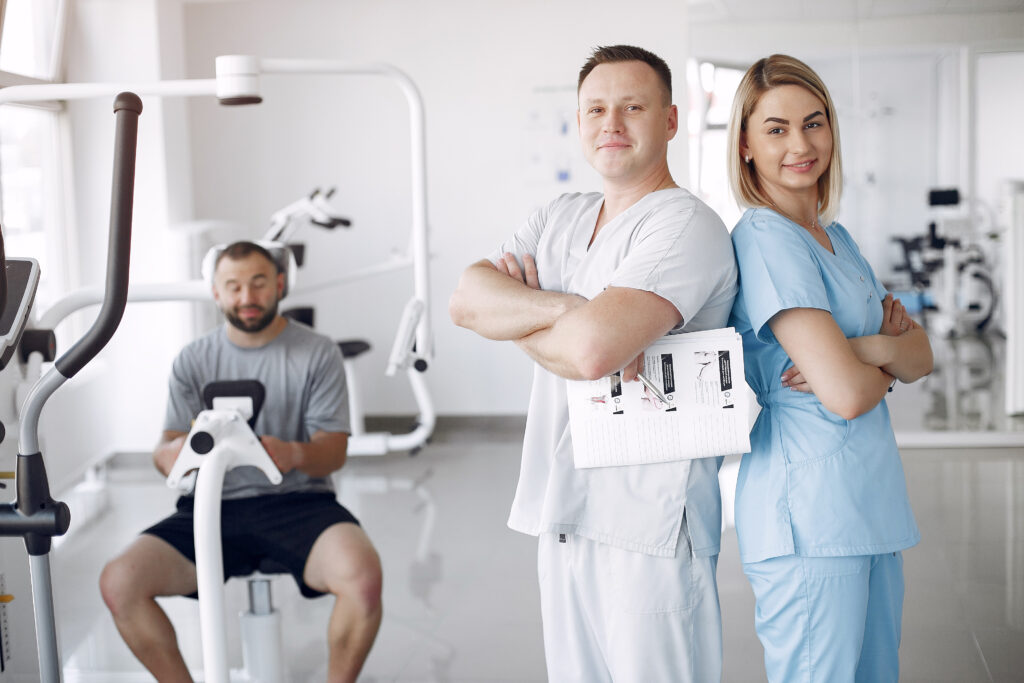
Bachelor’s in Physiotherapy (BPT) is an undergraduate degree program that focuses on physical therapy, rehabilitation, and movement science. The course trains students to treat patients suffering from physical injuries, disabilities, neurological disorders, and post-operative conditions.
Core Subjects in BPT
During the course, students study subjects such as:
- Human Anatomy and Physiology
- Biomechanics
- Exercise Therapy
- Electrotherapy
- Orthopedics
- Neurology
- Sports Physiotherapy
- Rehabilitation Sciences
- Clinical Practice
The program combines theoretical knowledge with practical training in hospitals, clinics, and rehabilitation centers.
Why Study Physiotherapy in Europe?
Europe is one of the best regions for healthcare education. Studying physiotherapy in Europe provides multiple advantages.
1. Globally Recognized Degrees
European universities follow international education standards. Degrees are recognized worldwide, allowing graduates to work in different countries.
2. Affordable Tuition Fees
Compared to countries like the USA and Australia, many European countries offer low-cost or even tuition-free education.
3. High-Quality Education
European institutions are known for advanced research, modern laboratories, and experienced professors.
4. English-Taught Programs
Many universities offer physiotherapy programs in English, especially for international students.
5. Multicultural Environment
Studying in Europe allows students to experience different cultures, languages, and lifestyles.
6. Strong Career Opportunities
Europe has a strong healthcare system, providing excellent job opportunities after graduation.
Top Countries in Europe for Bachelor’s in Physiotherapy
1. Germany
Germany is one of the most popular destinations for international students.
- Low or no tuition fees
- High-quality medical education
- Strong healthcare sector
- Good job prospects
Many programs are taught in German, but some universities offer English-taught courses.
2. Poland
Poland is known for affordable education and English-medium programs.
- Low living cost
- Recognized medical universities
- Modern infrastructure
3. Hungary
Hungary offers well-structured physiotherapy programs with international recognition.
- English-taught courses
- Reasonable fees
- Good student support
4. Spain
Spain provides quality education with a focus on practical training.
- Pleasant climate
- Good lifestyle
- Growing healthcare sector
5. Italy
Italy has a strong medical education system.
- Public universities with low fees
- Rich academic history
- Research-oriented programs
6. Czech Republic
Czech Republic is becoming popular among healthcare students.
- Affordable tuition
- English-medium courses
- Safe environment
7. Lithuania and Latvia
Baltic countries offer cost-effective physiotherapy programs.
- International-friendly universities
- Modern facilities
- Easy admission process
Duration of Bachelor’s in Physiotherapy in Europe
The duration of BPT programs in Europe generally ranges from:
- 3 years (in some countries)
- 4 years (most common)
In many universities, the program also includes mandatory clinical internships.
Eligibility Criteria
Eligibility requirements may vary by country and university, but general criteria include:
Academic Qualification
- Completion of 12th grade or equivalent
- Science background (Physics, Chemistry, Biology)
- Minimum 50% to 60% marks (varies by university)
Language Proficiency
For English-taught programs:
- IELTS: 5.5 to 6.5
- TOEFL or equivalent (as required)
For local language programs, students may need to learn the national language.
Age Limit
- Usually 17 years or above
- No upper age limit in most universities
Medical Fitness
- Medical fitness certificate
- Vaccination records (if required)
Admission Process
The admission process for Bachelor’s in Physiotherapy in Europe is generally simple and transparent.
Step 1: Choose Country and University
Research universities offering BPT programs in English or your preferred language.
Step 2: Check Eligibility
Verify academic and language requirements.
Step 3: Prepare Documents
Common documents include:
- Academic transcripts
- Passport copy
- Statement of Purpose (SOP)
- Resume/CV
- Language test scores
- Recommendation letters (if required)
Step 4: Apply Online
Submit applications through university portals or centralized systems.
Step 5: Receive Offer Letter
If selected, you will receive a conditional or unconditional offer.
Step 6: Pay Fees
Pay the required tuition or registration fee.
Step 7: Apply for Student Visa
Apply for a student visa at the respective embassy.
Step 8: Travel and Enrollment
After visa approval, travel to Europe and complete enrollment.
Required Documents
For admission and visa purposes, students usually need:
- Valid passport
- Academic certificates
- Mark sheets
- Language proficiency certificate
- Offer letter
- Financial proof
- Medical certificate
- Police clearance certificate
- Passport-size photographs
Tuition Fees and Cost of Living
Tuition Fees
Tuition fees vary depending on the country and university.
| Country | Average Annual Fees (EUR) |
|---|---|
| Germany | 0 – 2,000 |
| Poland | 3,000 – 6,000 |
| Hungary | 4,000 – 7,000 |
| Spain | 2,000 – 5,000 |
| Italy | 1,000 – 4,000 |
| Czech Republic | 3,000 – 6,000 |
Cost of Living
Average monthly expenses:
- Accommodation: 200 – 500 EUR
- Food: 150 – 300 EUR
- Transport: 30 – 70 EUR
- Miscellaneous: 50 – 100 EUR
Total: 400 – 800 EUR per month (varies by country and city)
Scholarships and Financial Support
Many European countries offer scholarships to international students.
Types of Scholarships
- Government-funded scholarships
- University scholarships
- Merit-based scholarships
- Need-based financial aid
Benefits
- Tuition fee reduction
- Monthly stipend
- Accommodation support
- Travel allowance
Students are advised to apply early for scholarships.
Student Life in Europe
Studying in Europe offers a rich and vibrant student life.
Accommodation
- University hostels
- Private apartments
- Shared flats
Part-Time Work
Most countries allow international students to work part-time.
- 15–20 hours per week
- Helps cover living expenses
Cultural Experience
Students can travel, explore historical sites, attend festivals, and interact with people from different backgrounds.
Clinical Training and Internships
Practical training is a crucial part of physiotherapy education.
Training Areas
- Hospitals
- Rehabilitation centers
- Sports clinics
- Elderly care centers
- Private practices
Benefits
- Real-world experience
- Skill development
- Professional networking
- Better job opportunities
Career Opportunities After BPT in Europe
After completing a Bachelor’s in Physiotherapy, graduates can work in various sectors.
Job Roles
- Physiotherapist
- Sports Therapist
- Rehabilitation Specialist
- Clinical Assistant
- Therapy Consultant
- Fitness Trainer
Employment Areas
- Hospitals
- Clinics
- Sports academies
- Rehabilitation centers
- Nursing homes
- Private practice
Higher Studies
Students can also pursue:
- Master’s in Physiotherapy
- Sports Science
- Rehabilitation Science
- Public Health
Salary of Physiotherapists in Europe
Salaries depend on country, experience, and workplace.
Average Monthly Salary
- Germany: 2,500 – 3,500 EUR
- Poland: 1,200 – 2,000 EUR
- Hungary: 1,500 – 2,500 EUR
- Spain: 2,000 – 3,000 EUR
- Italy: 1,800 – 2,800 EUR
With experience, salaries can increase significantly.
Licensing and Registration
In many European countries, physiotherapists must register with professional councils before practicing.
Process
- Degree recognition
- Language proficiency
- Professional examination (in some countries)
- Registration fee
Students should check country-specific requirements.
Advantages and Challenges
Advantages
- International exposure
- Quality education
- Affordable fees
- Strong career prospects
- Cultural diversity
Challenges
- Language barriers
- Adaptation to new culture
- Climate differences
- Homesickness
With proper preparation, students can easily overcome these challenges.
Tips for International Students
- Start preparation early
- Improve English or local language skills
- Research universities carefully
- Apply to multiple institutions
- Manage finances properly
- Stay updated with visa rules
- Participate in extracurricular activities
Frequently Asked Questions (FAQs)
Is Bachelor’s in Physiotherapy in Europe recognized worldwide?
Yes, most European degrees are internationally recognized.
Can I study without IELTS?
Some universities accept alternative English proof, but IELTS is recommended.
Is NEET required?
For most European countries, NEET is not mandatory for physiotherapy.
Can I work after graduation?
Yes, graduates can apply for work permits and stay for employment.
Is learning local language necessary?
For clinical practice and jobs, local language skills are highly beneficial.
Conclusion
Bachelor’s in Physiotherapy in Europe is an excellent choice for students who want quality education, global exposure, and strong career opportunities. With affordable fees, modern facilities, and internationally recognized degrees, Europe provides a perfect environment for aspiring physiotherapists.
By choosing the right country, preparing documents properly, and planning finances wisely, students can successfully build a rewarding career in physiotherapy. If you are passionate about healthcare and helping people recover and live healthier lives, studying physiotherapy in Europe can be the first step toward your dream profession.
This guide is designed to help students make informed decisions about studying Bachelor’s in Physiotherapy in Europe. Always verify university-specific requirements before applying.Bachelor’s in Physiotherapy in Europe: Complete Admission Guide for International Students
Introduction
Physiotherapy is one of the fastest-growing healthcare professions in the world. With increasing awareness about physical rehabilitation, sports injuries, chronic pain management, and post-surgery recovery, the demand for skilled physiotherapists is rising globally. For students who want quality education, international exposure, and excellent career opportunities, Europe has become a top destination for studying Bachelor’s in Physiotherapy.
European countries offer modern infrastructure, globally recognized degrees, experienced faculty, and affordable education compared to countries like the USA, UK, and Australia. Many universities also provide English-taught programs, making it easier for international students to pursue their dreams.
This complete guide will help you understand everything about studying Bachelor’s in Physiotherapy in Europe, including eligibility, admission process, top countries, fees, scholarships, career scope, and more.
What is Bachelor’s in Physiotherapy (BPT)?
Bachelor’s in Physiotherapy (BPT) is an undergraduate degree program that focuses on physical therapy, rehabilitation, and movement science. The course trains students to treat patients suffering from physical injuries, disabilities, neurological disorders, and post-operative conditions.
Core Subjects in BPT
During the course, students study subjects such as:
- Human Anatomy and Physiology
- Biomechanics
- Exercise Therapy
- Electrotherapy
- Orthopedics
- Neurology
- Sports Physiotherapy
- Rehabilitation Sciences
- Clinical Practice
The program combines theoretical knowledge with practical training in hospitals, clinics, and rehabilitation centers.
Why Study Physiotherapy in Europe?
Europe is one of the best regions for healthcare education. Studying physiotherapy in Europe provides multiple advantages.
1. Globally Recognized Degrees
European universities follow international education standards. Degrees are recognized worldwide, allowing graduates to work in different countries.
2. Affordable Tuition Fees
Compared to countries like the USA and Australia, many European countries offer low-cost or even tuition-free education.
3. High-Quality Education
European institutions are known for advanced research, modern laboratories, and experienced professors.
4. English-Taught Programs
Many universities offer physiotherapy programs in English, especially for international students.
5. Multicultural Environment
Studying in Europe allows students to experience different cultures, languages, and lifestyles.
6. Strong Career Opportunities
Europe has a strong healthcare system, providing excellent job opportunities after graduation.
Top Countries in Europe for Bachelor’s in Physiotherapy
1. Germany
Germany is one of the most popular destinations for international students.
- Low or no tuition fees
- High-quality medical education
- Strong healthcare sector
- Good job prospects
Many programs are taught in German, but some universities offer English-taught courses.
2. Poland
Poland is known for affordable education and English-medium programs.
- Low living cost
- Recognized medical universities
- Modern infrastructure
3. Hungary
Hungary offers well-structured physiotherapy programs with international recognition.
- English-taught courses
- Reasonable fees
- Good student support
4. Spain
Spain provides quality education with a focus on practical training.
- Pleasant climate
- Good lifestyle
- Growing healthcare sector
5. Italy
Italy has a strong medical education system.
- Public universities with low fees
- Rich academic history
- Research-oriented programs
6. Czech Republic
Czech Republic is becoming popular among healthcare students.
- Affordable tuition
- English-medium courses
- Safe environment
7. Lithuania and Latvia
Baltic countries offer cost-effective physiotherapy programs.
- International-friendly universities
- Modern facilities
- Easy admission process

Duration of Bachelor’s in Physiotherapy in Europe
The duration of BPT programs in Europe generally ranges from:
- 3 years (in some countries)
- 4 years (most common)
In many universities, the program also includes mandatory clinical internships.
Eligibility Criteria
Eligibility requirements may vary by country and university, but general criteria include:
Academic Qualification
- Completion of 12th grade or equivalent
- Science background (Physics, Chemistry, Biology)
- Minimum 50% to 60% marks (varies by university)
Language Proficiency
For English-taught programs:
- IELTS: 5.5 to 6.5
- TOEFL or equivalent (as required)
For local language programs, students may need to learn the national language.
Age Limit
- Usually 17 years or above
- No upper age limit in most universities
Medical Fitness
- Medical fitness certificate
- Vaccination records (if required)
Admission Process
The admission process for Bachelor’s in Physiotherapy in Europe is generally simple and transparent.
Step 1: Choose Country and University
Research universities offering BPT programs in English or your preferred language.
Step 2: Check Eligibility
Verify academic and language requirements.
Step 3: Prepare Documents
Common documents include:
- Academic transcripts
- Passport copy
- Statement of Purpose (SOP)
- Resume/CV
- Language test scores
- Recommendation letters (if required)
Step 4: Apply Online
Submit applications through university portals or centralized systems.
Step 5: Receive Offer Letter
If selected, you will receive a conditional or unconditional offer.
Step 6: Pay Fees
Pay the required tuition or registration fee.
Step 7: Apply for Student Visa
Apply for a student visa at the respective embassy.
Step 8: Travel and Enrollment
After visa approval, travel to Europe and complete enrollment.
Required Documents
For admission and visa purposes, students usually need:
- Valid passport
- Academic certificates
- Mark sheets
- Language proficiency certificate
- Offer letter
- Financial proof
- Medical certificate
- Police clearance certificate
- Passport-size photographs
Tuition Fees and Cost of Living
Tuition Fees
Tuition fees vary depending on the country and university.
| Country | Average Annual Fees (EUR) |
|---|---|
| Germany | 0 – 2,000 |
| Poland | 3,000 – 6,000 |
| Hungary | 4,000 – 7,000 |
| Spain | 2,000 – 5,000 |
| Italy | 1,000 – 4,000 |
| Czech Republic | 3,000 – 6,000 |
Cost of Living
Average monthly expenses:
- Accommodation: 200 – 500 EUR
- Food: 150 – 300 EUR
- Transport: 30 – 70 EUR
- Miscellaneous: 50 – 100 EUR
Total: 400 – 800 EUR per month (varies by country and city)
Scholarships and Financial Support
Many European countries offer scholarships to international students.
Types of Scholarships
- Government-funded scholarships
- University scholarships
- Merit-based scholarships
- Need-based financial aid
Benefits
- Tuition fee reduction
- Monthly stipend
- Accommodation support
- Travel allowance
Students are advised to apply early for scholarships.
Student Life in Europe
Studying in Europe offers a rich and vibrant student life.
Accommodation
- University hostels
- Private apartments
- Shared flats
Part-Time Work
Most countries allow international students to work part-time.
- 15–20 hours per week
- Helps cover living expenses
Cultural Experience
Students can travel, explore historical sites, attend festivals, and interact with people from different backgrounds.
Clinical Training and Internships
Practical training is a crucial part of physiotherapy education.
Training Areas
- Hospitals
- Rehabilitation centers
- Sports clinics
- Elderly care centers
- Private practices
Benefits
- Real-world experience
- Skill development
- Professional networking
- Better job opportunities
Career Opportunities After BPT in Europe
After completing a Bachelor’s in Physiotherapy, graduates can work in various sectors.
Job Roles
- Physiotherapist
- Sports Therapist
- Rehabilitation Specialist
- Clinical Assistant
- Therapy Consultant
- Fitness Trainer
Employment Areas
- Hospitals
- Clinics
- Sports academies
- Rehabilitation centers
- Nursing homes
- Private practice
Higher Studies
Students can also pursue:
- Master’s in Physiotherapy
- Sports Science
- Rehabilitation Science
- Public Health
Salary of Physiotherapists in Europe
Salaries depend on country, experience, and workplace.
Average Monthly Salary
- Germany: 2,500 – 3,500 EUR
- Poland: 1,200 – 2,000 EUR
- Hungary: 1,500 – 2,500 EUR
- Spain: 2,000 – 3,000 EUR
- Italy: 1,800 – 2,800 EUR
With experience, salaries can increase significantly.
Licensing and Registration
In many European countries, physiotherapists must register with professional councils before practicing.
Process
- Degree recognition
- Language proficiency
- Professional examination (in some countries)
- Registration fee
Students should check country-specific requirements.
Advantages and Challenges
Advantages
- International exposure
- Quality education
- Affordable fees
- Strong career prospects
- Cultural diversity
Challenges
- Language barriers
- Adaptation to new culture
- Climate differences
- Homesickness
With proper preparation, students can easily overcome these challenges.
Tips for International Students
- Start preparation early
- Improve English or local language skills
- Research universities carefully
- Apply to multiple institutions
- Manage finances properly
- Stay updated with visa rules
- Participate in extracurricular activities
Frequently Asked Questions (FAQs)
Is Bachelor’s in Physiotherapy in Europe recognized worldwide?
Yes, most European degrees are internationally recognized.
Can I study without IELTS?
Some universities accept alternative English proof, but IELTS is recommended.
Is NEET required?
For most European countries, NEET is not mandatory for physiotherapy.
Can I work after graduation?
Yes, graduates can apply for work permits and stay for employment.
Is learning local language necessary?
For clinical practice and jobs, local language skills are highly beneficial.
Conclusion
Bachelor’s in Physiotherapy in Europe is an excellent choice for students who want quality education, global exposure, and strong career opportunities. With affordable fees, modern facilities, and internationally recognized degrees, Europe provides a perfect environment for aspiring physiotherapists.
By choosing the right country, preparing documents properly, and planning finances wisely, students can successfully build a rewarding career in physiotherapy. If you are passionate about healthcare and helping people recover and live healthier lives, studying physiotherapy in Europe can be the first step toward your dream profession.
This guide is designed to help students make informed decisions about studying Bachelor’s in Physiotherapy in Europe. Always verify university-specific requirements before applying.visit the Federal Employment Agency’s Ausbildung Portal or the Make It In Germany website.