What’s the Difference Between Automotive and Industrial Mechanic Ausbildung?
Automotive vs Industrial Mechanic Ausbildung
Germany is known globally for its strong industrial foundation and world-class vocational training system, known as the Ausbildung. Every year, thousands of students — both German and international — begin their career journey through these highly structured, dual vocational training programs. Among the most popular technical training paths are the Automotive Mechanic Ausbildung and the Industrial Mechanic Ausbildung.
While both paths lead to excellent job opportunities, stable income, and hands-on technical expertise, they are suited for different types of individuals with different career interests. Many students often get confused about which program to choose and what the actual difference is between the two.
This article provides a complete, detailed, and professional explanation of the differences between Automotive Mechanic Ausbildung (Kfz-Mechatroniker) and Industrial Mechanic Ausbildung (Industriemechaniker). We will explore everything you need to know — job roles, work environments, salaries, required skills, subjects taught, career scope, job demand, training duration, advancement opportunities, work conditions, pros and cons, and finally how to decide which Ausbildung is best for you.
By the end of this 2500+ word guide, you will have a clear understanding of both career paths so you can confidently choose the right Ausbildung for your future.
What is an Automotive Mechanic Ausbildung?
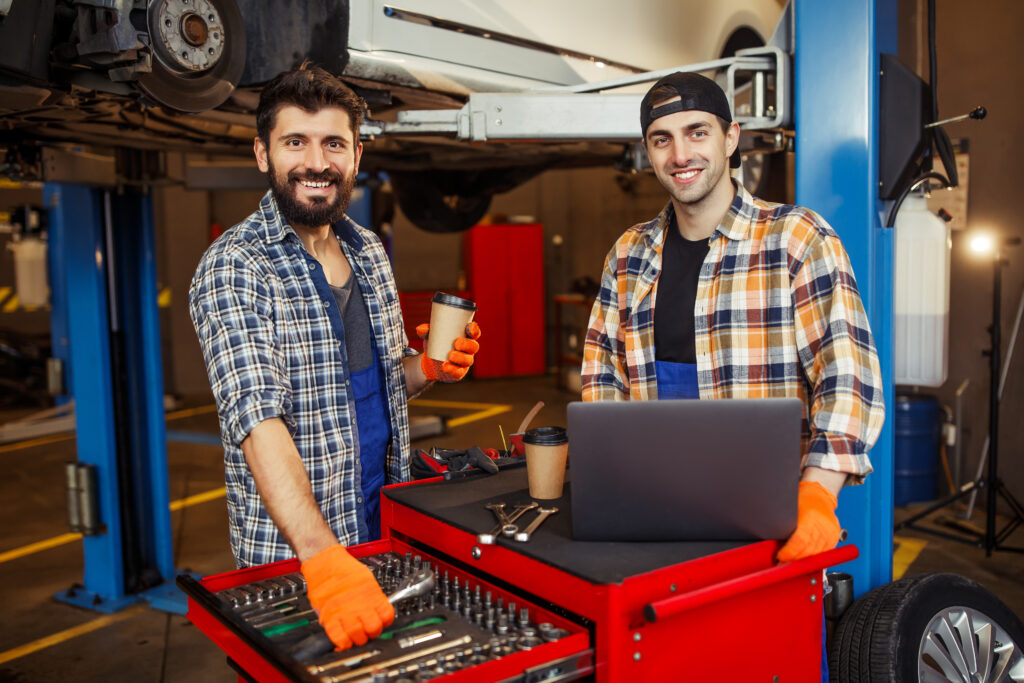
The Automotive Mechanic Ausbildung in Germany is officially known as Kfz-Mechatroniker. It is a dual vocational training program focused on maintaining, diagnosing, and repairing cars, vans, trucks, and other motor vehicles.
The duration of the program is 3.5 years, combining practical work in a garage or dealership with theoretical knowledge in a vocational school.
Key Responsibilities of an Automotive Mechanic
Automotive trainees perform a wide variety of technical tasks, such as:
- Diagnosing vehicle malfunctions using digital tools and software
- Repairing engines, fuel systems, exhaust systems, brakes, and suspension
- Performing maintenance tasks like oil changes and filter replacements
- Inspecting vehicles for safety and emissions
- Replacing worn-out mechanical and electronic components
- Installing accessories such as GPS systems or sensors
- Working with modern hybrid and electric vehicles
- Communicating with customers about problems and repairs
This Ausbildung is perfect for students who love cars, engines, technology, and hands-on mechanical work.
What is an Industrial Mechanic Ausbildung?
The Industrial Mechanic Ausbildung, or Industriemechaniker, is another highly respected and in-demand vocational program in Germany. The duration is also 3.5 years, and it focuses on working with industrial machinery, manufacturing systems, and automated production lines.
Industrial mechanics are the backbone of factories and industries. Their work ensures that machines operate efficiently, safely, and without interruption.
Key Responsibilities of an Industrial Mechanic
This Ausbildung includes technical and mechanical tasks such as:
- Assembling and installing industrial equipment
- Monitoring automated production lines
- Repairing and maintaining machinery used in factories
- Calibrating machines for precision work
- Welding, drilling, cutting, and machining metal components
- Creating mechanical parts using CNC machines
- Reading and interpreting engineering drawings
- Identifying and resolving mechanical failures quickly
- Working with robotics and high-tech manufacturing tools
This training path is perfect for students interested in heavy machinery, production technology, engineering concepts, and industrial automation.
Major Differences Between Automotive and Industrial Mechanic Ausbildung
Below is a detailed comparison covering every important aspect.
1. Nature of Work
Automotive Mechanic
- Works on vehicles like cars, trucks, and buses
- Focuses on engine repair, electronics, brakes, air conditioning, and diagnostics
- Daily tasks include customer service and vehicle inspections
- Work involves both mechanical tools and modern software
Industrial Mechanic
- Works on industrial machines, production systems, and factory equipment
- Responsible for assembly, maintenance, troubleshooting, and system optimization
- Focuses more on industrial engineering, precision mechanics, automation, and manufacturing technology
- Work involves large machinery and complex production systems
Summary:
Automotive mechanics focus on vehicle repair, while industrial mechanics focus on factory machinery and production systems.
2. Work Environment
Automotive Mechanic
- Works in workshops, service centers, or vehicle dealerships
- Mostly indoors but sometimes outdoors for breakdowns
- Customer interaction is common
Industrial Mechanic
- Works in large factories, production plants, or industrial units
- Environment is more technical and machine-oriented
- Less customer interaction, more teamwork with engineers and technicians
Summary:
Automotive mechanics deal with individual customers, while industrial mechanics mostly work inside factories with technical teams.
3. Tools and Technology Used
Automotive Mechanic
- Diagnostic computers for reading error codes
- Lifts and hydraulic equipment
- Tools for engine, brake, and mechanical repairs
- Tools for hybrid and electric vehicle systems
Industrial Mechanic
- CNC machines, milling machines, lathes
- Welding tools, cutting tools, hydraulic presses
- Programmable machines in automated production lines
- Measurement instruments for precision engineering
Summary:
Automotive tools are specific to vehicles, while industrial mechanics use heavy machinery and precision tools.
4. Skills Required
Automotive Mechanic Skills
- Strong interest in vehicles
- Problem-solving ability
- Digital diagnostic skills
- Good communication for customer interaction
- Precision in handling electrical systems
Industrial Mechanic Skills
- Technical understanding of production systems
- Mechanical and mathematical skills
- Ability to read engineering drawings
- Understanding of hydraulics, pneumatics, and automation
- High attention to detail
Summary:
Automotive mechanics need vehicle-specific diagnostic skills, while industrial mechanics need engineering and machinery skills.
5. Subjects Taught in the Ausbildung
Automotive Mechanic Subjects
- Vehicle electronics and sensors
- Engine technology and fuel systems
- Digital diagnosis
- Brake systems and chassis
- Air conditioning systems
- Hybrid and electric vehicle technology
- Mechanical and safety inspections
Industrial Mechanic Subjects
- Technical systems and engineering fundamentals
- CNC machining
- Metal processing (drilling, welding, grinding)
- Assembly and disassembly of machines
- Pneumatics and hydraulics
- Robotics and automation
- Machine maintenance and quality assurance
Summary:
Automotive studies focus on vehicles; industrial studies focus on manufacturing technology and engineering systems.
6. Salary During Ausbildung
Automotive Mechanic Stipend
- 1st year: €850 – €1,000
- 2nd year: €950 – €1,100
- 3rd year: €1,050 – €1,200
- 4th year (if applicable): €1,150 – €1,300
Industrial Mechanic Stipend
- 1st year: €1,000 – €1,100
- 2nd year: €1,100 – €1,200
- 3rd year: €1,200 – €1,350
- 4th year: €1,300 – €1,450
Summary:
Industrial Mechanic Ausbildung usually pays slightly higher stipends than Automotive Mechanic Ausbildung.
7. Salary After Completion
Automotive Mechanic Salary
- Starting salary: €2,500 – €3,200 / month
- With experience: €3,200 – €3,800 / month
- Master mechanic (Meister): €4,000 – €5,000 / month
- Self-employed garage owners can earn significantly more
Industrial Mechanic Salary
- Starting salary: €2,800 – €3,500 / month
- With experience: €3,500 – €4,500 / month
- Senior technician / production specialist: €4,500 – €5,500
- Plant manager or technical supervisor: €5,500 – €6,500
Summary:
Industrial mechanics typically have a higher earning potential, especially at senior levels.
8. Job Demand and Future Growth
Demand for Automotive Mechanics
- High demand due to increasing number of vehicles
- Electric vehicles are creating new job opportunities
- Most jobs available in workshops and dealerships
Demand for Industrial Mechanics
- Very high demand due to Germany’s industrial strength
- Huge requirement in manufacturing, automotive factories, chemical plants, food production, robotics, and more
- Automation and Industry 4.0 create ongoing opportunities
Summary:
Demand for both careers is high, but industrial mechanics have stronger long-term growth opportunities.
9. Work-Life Balance
Automotive Mechanic
- Usually fixed schedule
- Occasional emergency calls
- Weekends may be busy due to customer demand
Industrial Mechanic
- Shift work is common (morning, evening, night)
- Some plants operate 24/7
- Work-life balance depends on factory schedules
10. Physical Demands
Both jobs are physically demanding but in different ways:
Automotive Mechanic
- Heavy lifting of vehicle parts
- Standing for long periods
- Working under vehicles
Industrial Mechanic
- Handling large machines
- Working in noisy environments
- Involves welding, machining, and metalwork
11. Safety Requirements
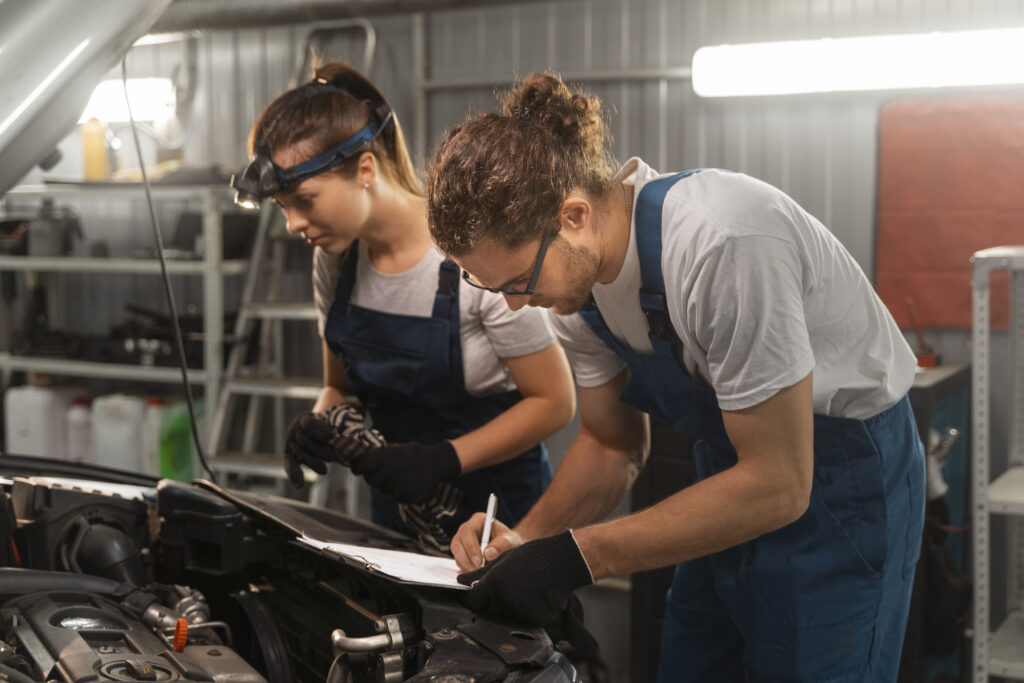
Automotive Mechanic
- Safety glasses, gloves, ear protection
- Fire safety due to fuel systems
- Electrical safety for EVs
Industrial Mechanic
- Helmets, safety shoes, gloves
- Strict factory safety protocols
- Working with automated systems and heavy equipment
12. Career Advancement Opportunities
Automotive Mechanic Growth Paths
- Master Mechanic (Kfz-Meister)
- Diagnostic Specialist
- Workshop Manager
- Vehicle Technician for EVs
- Automotive Service Advisor
- Self-employed garage owner
Industrial Mechanic Growth Paths
- Industrial Master (Industriemeister)
- Technician (Staatlich geprüfter Techniker)
- CNC Programmer
- Maintenance Supervisor
- Production Manager
- Automation Specialist
Which Ausbildung Should You Choose?
Here is how to decide:
Choose Automotive Mechanic if:
- You love cars and engines
- You enjoy talking to customers
- You want to specialize in vehicles, EVs, or diagnostics
- You prefer a workshop environment
Choose Industrial Mechanic if:
- You enjoy working with machines, factory systems, and automation
- You prefer an engineering-oriented career
- You want high income and strong career growth
- You like precision technical work
Conclusion
Both the Automotive Mechanic Ausbildung and the Industrial Mechanic Ausbildung offer stable, rewarding, and future-oriented career paths in Germany.
Automotive mechanics focus on vehicle repair, diagnostics, and customer service, working primarily in workshops. Industrial mechanics work in large factories, dealing with machinery, automation systems, and production technology.
While both professions provide excellent training, competitive stipends, and strong job security, industrial mechanics tend to enjoy higher salaries and more advanced career opportunities in the long run.
Ultimately, the right choice depends on your personal interests, career goals, and preferred work environment. Whether you are passionate about cars or fascinated by industrial technology, both Ausbildung programs offer bright futures, strong demand, and exceptional professional development.
While both paths lead to excellent job opportunities, stable income, and hands-on technical expertise, they are suited for different types of individuals with different career interests. Many students often get confused about which program to choose and what the actual difference is between the two.
This article provides a complete, detailed, and professional explanation of the differences between Automotive Mechanic Ausbildung (Kfz-Mechatroniker) and Industrial Mechanic Ausbildung (Industriemechaniker). We will explore everything you need to know — job roles, work environments, salaries, required skills, subjects taught, career scope, job demand, training duration, advancement opportunities, work conditions, pros and cons, and finally how to decide which Ausbildung is best for you.
By the end of this 2500+ word guide, you will have a clear understanding of both career paths so you can confidently choose the right Ausbildung for your future.
What is an Automotive Mechanic Ausbildung?
The Automotive Mechanic Ausbildung in Germany is officially known as Kfz-Mechatroniker. It is a dual vocational training program focused on maintaining, diagnosing, and repairing cars, vans, trucks, and other motor vehicles.
The duration of the program is 3.5 years, combining practical work in a garage or dealership with theoretical knowledge in a vocational school.
Key Responsibilities of an Automotive Mechanic
Automotive trainees perform a wide variety of technical tasks, such as:
- Diagnosing vehicle malfunctions using digital tools and software
- Repairing engines, fuel systems, exhaust systems, brakes, and suspension
- Performing maintenance tasks like oil changes and filter replacements
- Inspecting vehicles for safety and emissions
- Replacing worn-out mechanical and electronic components
- Installing accessories such as GPS systems or sensors
- Working with modern hybrid and electric vehicles
- Communicating with customers about problems and repairs
This Ausbildung is perfect for students who love cars, engines, technology, and hands-on mechanical work.
What is an Industrial Mechanic Ausbildung?
The Industrial Mechanic Ausbildung, or Industriemechaniker, is another highly respected and in-demand vocational program in Germany. The duration is also 3.5 years, and it focuses on working with industrial machinery, manufacturing systems, and automated production lines.
Industrial mechanics are the backbone of factories and industries. Their work ensures that machines operate efficiently, safely, and without interruption.
Key Responsibilities of an Industrial Mechanic
This Ausbildung includes technical and mechanical tasks such as:
- Assembling and installing industrial equipment
- Monitoring automated production lines
- Repairing and maintaining machinery used in factories
- Calibrating machines for precision work
- Welding, drilling, cutting, and machining metal components
- Creating mechanical parts using CNC machines
- Reading and interpreting engineering drawings
- Identifying and resolving mechanical failures quickly
- Working with robotics and high-tech manufacturing tools
This training path is perfect for students interested in heavy machinery, production technology, engineering concepts, and industrial automation.
Major Differences Between Automotive and Industrial Mechanic Ausbildung
Below is a detailed comparison covering every important aspect.
1. Nature of Work
Automotive Mechanic
- Works on vehicles like cars, trucks, and buses
- Focuses on engine repair, electronics, brakes, air conditioning, and diagnostics
- Daily tasks include customer service and vehicle inspections
- Work involves both mechanical tools and modern software
Industrial Mechanic
- Works on industrial machines, production systems, and factory equipment
- Responsible for assembly, maintenance, troubleshooting, and system optimization
- Focuses more on industrial engineering, precision mechanics, automation, and manufacturing technology
- Work involves large machinery and complex production systems
Summary:
Automotive mechanics focus on vehicle repair, while industrial mechanics focus on factory machinery and production systems.
2. Work Environment
Automotive Mechanic
- Works in workshops, service centers, or vehicle dealerships
- Mostly indoors but sometimes outdoors for breakdowns
- Customer interaction is common
Industrial Mechanic
- Works in large factories, production plants, or industrial units
- Environment is more technical and machine-oriented
- Less customer interaction, more teamwork with engineers and technicians
Summary:
Automotive mechanics deal with individual customers, while industrial mechanics mostly work inside factories with technical teams.
3. Tools and Technology Used
Automotive Mechanic
- Diagnostic computers for reading error codes
- Lifts and hydraulic equipment
- Tools for engine, brake, and mechanical repairs
- Tools for hybrid and electric vehicle systems
Industrial Mechanic
- CNC machines, milling machines, lathes
- Welding tools, cutting tools, hydraulic presses
- Programmable machines in automated production lines
- Measurement instruments for precision engineering
Summary:
Automotive tools are specific to vehicles, while industrial mechanics use heavy machinery and precision tools.
4. Skills Required
Automotive Mechanic Skills
- Strong interest in vehicles
- Problem-solving ability
- Digital diagnostic skills
- Good communication for customer interaction
- Precision in handling electrical systems
Industrial Mechanic Skills
- Technical understanding of production systems
- Mechanical and mathematical skills
- Ability to read engineering drawings
- Understanding of hydraulics, pneumatics, and automation
- High attention to detail
Summary:
Automotive mechanics need vehicle-specific diagnostic skills, while industrial mechanics need engineering and machinery skills.
5. Subjects Taught in the Ausbildung
Automotive Mechanic Subjects
- Vehicle electronics and sensors
- Engine technology and fuel systems
- Digital diagnosis
- Brake systems and chassis
- Air conditioning systems
- Hybrid and electric vehicle technology
- Mechanical and safety inspections
Industrial Mechanic Subjects
- Technical systems and engineering fundamentals
- CNC machining
- Metal processing (drilling, welding, grinding)
- Assembly and disassembly of machines
- Pneumatics and hydraulics
- Robotics and automation
- Machine maintenance and quality assurance
Summary:
Automotive studies focus on vehicles; industrial studies focus on manufacturing technology and engineering systems.
6. Salary During Ausbildung
Automotive Mechanic Stipend
- 1st year: €850 – €1,000
- 2nd year: €950 – €1,100
- 3rd year: €1,050 – €1,200
- 4th year (if applicable): €1,150 – €1,300
Industrial Mechanic Stipend
- 1st year: €1,000 – €1,100
- 2nd year: €1,100 – €1,200
- 3rd year: €1,200 – €1,350
- 4th year: €1,300 – €1,450
Summary:
Industrial Mechanic Ausbildung usually pays slightly higher stipends than Automotive Mechanic Ausbildung.
7. Salary After Completion
Automotive Mechanic Salary
- Starting salary: €2,500 – €3,200 / month
- With experience: €3,200 – €3,800 / month
- Master mechanic (Meister): €4,000 – €5,000 / month
- Self-employed garage owners can earn significantly more
Industrial Mechanic Salary
- Starting salary: €2,800 – €3,500 / month
- With experience: €3,500 – €4,500 / month
- Senior technician / production specialist: €4,500 – €5,500
- Plant manager or technical supervisor: €5,500 – €6,500
Summary:
Industrial mechanics typically have a higher earning potential, especially at senior levels.
8. Job Demand and Future Growth
Demand for Automotive Mechanics
- High demand due to increasing number of vehicles
- Electric vehicles are creating new job opportunities
- Most jobs available in workshops and dealerships
Demand for Industrial Mechanics
- Very high demand due to Germany’s industrial strength
- Huge requirement in manufacturing, automotive factories, chemical plants, food production, robotics, and more
- Automation and Industry 4.0 create ongoing opportunities
Summary:
Demand for both careers is high, but industrial mechanics have stronger long-term growth opportunities.
9. Work-Life Balance
Automotive Mechanic
- Usually fixed schedule
- Occasional emergency calls
- Weekends may be busy due to customer demand
Industrial Mechanic
- Shift work is common (morning, evening, night)
- Some plants operate 24/7
- Work-life balance depends on factory schedules
10. Physical Demands
Both jobs are physically demanding but in different ways:
Automotive Mechanic
- Heavy lifting of vehicle parts
- Standing for long periods
- Working under vehicles
Industrial Mechanic
- Handling large machines
- Working in noisy environments
- Involves welding, machining, and metalwork
11. Safety Requirements
Automotive Mechanic
- Safety glasses, gloves, ear protection
- Fire safety due to fuel systems
- Electrical safety for EVs
Industrial Mechanic
- Helmets, safety shoes, gloves
- Strict factory safety protocols
- Working with automated systems and heavy equipment
12. Career Advancement Opportunities
Automotive Mechanic Growth Paths
- Master Mechanic (Kfz-Meister)
- Diagnostic Specialist
- Workshop Manager
- Vehicle Technician for EVs
- Automotive Service Advisor
- Self-employed garage owner
Industrial Mechanic Growth Paths
- Industrial Master (Industriemeister)
- Technician (Staatlich geprüfter Techniker)
- CNC Programmer
- Maintenance Supervisor
- Production Manager
- Automation Specialist
Which Ausbildung Should You Choose?
Here is how to decide:
Choose Automotive Mechanic if:
- You love cars and engines
- You enjoy talking to customers
- You want to specialize in vehicles, EVs, or diagnostics
- You prefer a workshop environment
Choose Industrial Mechanic if:
- You enjoy working with machines, factory systems, and automation
- You prefer an engineering-oriented career
- You want high income and strong career growth
- You like precision technical work
Conclusion
Both the Automotive Mechanic Ausbildung and the Industrial Mechanic Ausbildung offer stable, rewarding, and future-oriented career paths in Germany.
Automotive mechanics focus on vehicle repair, diagnostics, and customer service, working primarily in workshops. Industrial mechanics work in large factories, dealing with machinery, automation systems, and production technology.
While both professions provide excellent training, competitive stipends, and strong job security, industrial mechanics tend to enjoy higher salaries and more advanced career opportunities in the long run.
Ultimately, the right choice depends on your personal interests, career goals, and preferred work environment. Whether you are passionate about cars or fascinated by industrial technology, both Ausbildung programs offer bright futures, strong demand, and exceptional professional development.
For official details about vocational training regulations and wages, you can visit the Federal Employment Agency’s Ausbildung Portal or the Make It In Germany website.