Why Choose Europe for a Career in Physiotherapy: A Complete Guide for Students
Physiotherapy Career in Europe
Physiotherapy is one of the fastest-growing healthcare professions worldwide. With increasing awareness about physical fitness, rehabilitation, and mental well-being, the demand for skilled physiotherapists is rising rapidly. Europe has emerged as a top destination for students who want to build a successful career in physiotherapy due to its high-quality education system, globally recognized degrees, advanced healthcare infrastructure, and excellent career opportunities.
If you are planning to study physiotherapy abroad, Europe can be the perfect choice. This complete guide will help you understand why Europe is ideal for a career in physiotherapy, covering education, eligibility, costs, job opportunities, salary, and future scope.
What is Physiotherapy?
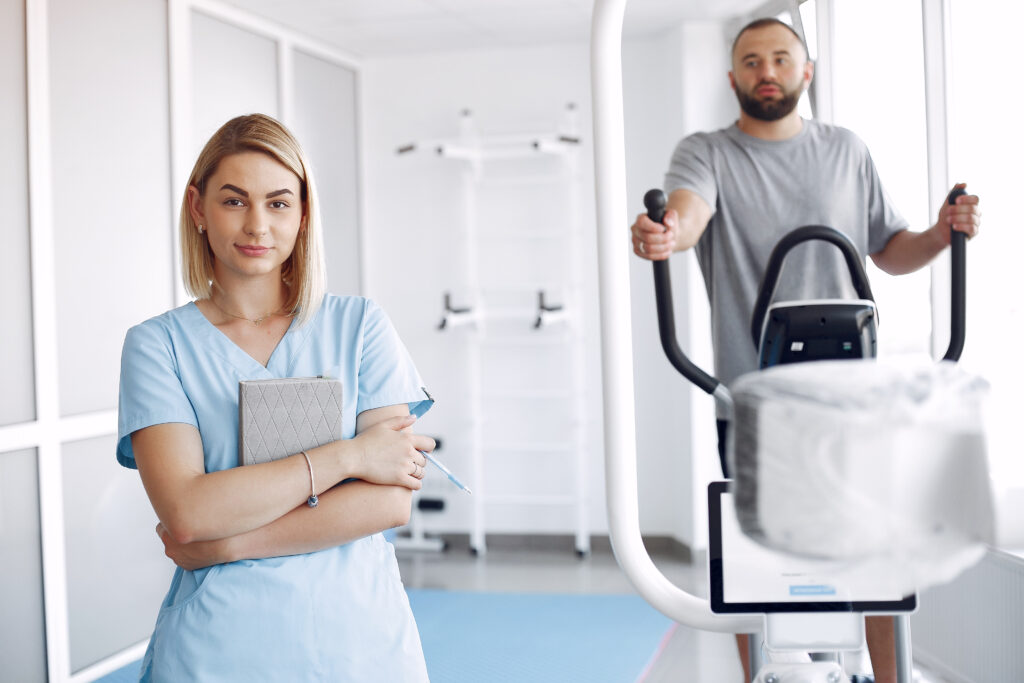
Physiotherapy, also known as physical therapy, is a healthcare profession focused on restoring movement, function, and quality of life through physical methods. Physiotherapists help patients recover from injuries, surgeries, neurological disorders, sports injuries, and chronic illnesses.
Key Roles of a Physiotherapist
- Assessing physical conditions of patients
- Designing rehabilitation programs
- Treating muscle and joint problems
- Improving mobility and posture
- Helping in pain management
- Supporting recovery after surgery or accidents
Physiotherapy combines medical knowledge with practical skills, making it a respected and rewarding profession.
Why Choose Europe for Physiotherapy Studies?
Europe is home to some of the world’s best universities and healthcare institutions. Studying physiotherapy in Europe offers several advantages.
1. World-Class Education System
European universities follow international standards in healthcare education. Most institutions use modern teaching methods, clinical training, and research-based learning.
Students get exposure to:
- Advanced laboratories
- Modern medical equipment
- Experienced faculty
- Clinical internships
This ensures high-quality education and professional competence.
2. Globally Recognized Degrees
Degrees from European universities are recognized worldwide. After completing your physiotherapy degree in Europe, you can work in many countries including India, UK, Canada, Australia, and the Middle East.
Recognition by international medical and healthcare bodies increases your career mobility.
3. Affordable Education Compared to Other Countries
Compared to countries like the USA and Australia, European countries offer affordable tuition fees. Many public universities provide low-cost or free education.
Some countries even offer scholarships and government-funded programs for international students.
4. High-Quality Healthcare Infrastructure
Europe has one of the best healthcare systems in the world. Students get practical exposure in well-equipped hospitals, rehabilitation centers, and sports clinics.
This hands-on training improves skills and confidence.
5. Multicultural Environment
Europe attracts students from all over the world. Studying here helps you experience different cultures, languages, and lifestyles.
This global exposure enhances communication skills and professional growth.
6. Strong Demand for Physiotherapists
With aging populations and increasing lifestyle diseases, Europe has a high demand for physiotherapists. Graduates find good job opportunities after completing their studies.
Top European Countries for Physiotherapy
Several European countries are popular among international students for physiotherapy courses.
Germany
- Low or no tuition fees
- Strong healthcare system
- High demand for healthcare professionals
- Good job prospects
Poland
- Affordable education
- English-taught programs
- Recognized medical degrees
- Growing popularity
Hungary
- Well-known medical universities
- Reasonable fees
- Modern infrastructure
Czech Republic
- High-quality medical education
- European accreditation
- English-medium courses
Spain
- Advanced healthcare facilities
- Research opportunities
- Good lifestyle
Italy
- Historic universities
- Affordable public education
- Strong medical sector
Eligibility Criteria for Studying Physiotherapy in Europe
Although requirements vary by country and university, general eligibility includes:
Academic Requirements
- Completion of 12th grade (Science stream)
- Subjects: Physics, Chemistry, Biology
- Minimum 50% to 70% marks (varies by institution)
Language Requirements
- English proficiency test (IELTS/TOEFL) for English programs
- Local language proficiency for native-language programs
Entrance Exams
- Some universities conduct entrance tests
- Others select students based on academic merit
Documents Required
- Academic transcripts
- Passport
- Statement of Purpose
- Recommendation letters
- Medical fitness certificate
Types of Physiotherapy Courses in Europe
Bachelor’s Degree (BPT)
Duration: 3 to 4 years
Focuses on:
- Human anatomy
- Physiology
- Exercise therapy
- Biomechanics
- Clinical training
Master’s Degree (MPT)
Duration: 1.5 to 2 years
Specializations include:
- Sports Physiotherapy
- Neurological Physiotherapy
- Orthopedic Physiotherapy
- Cardiopulmonary Physiotherapy
- Pediatric Physiotherapy
PhD in Physiotherapy
For students interested in research and academic careers.
Cost of Studying Physiotherapy in Europe
Tuition Fees
Public Universities: Low cost or free in some countries
Private Universities: Moderate fees
Average Range: €2,000 to €10,000 per year
Living Expenses
Depends on country and city
Average Monthly Cost:
- Accommodation: €300–€600
- Food: €150–€250
- Transport: €50–€100
- Other Expenses: €100–€200
Total: €600–€1,000 per month
Scholarships for Physiotherapy Students
Many European countries offer scholarships to international students.
Types of Scholarships
- Government-funded scholarships
- University-specific scholarships
- Merit-based scholarships
- Need-based scholarships
These help reduce financial burden.
Admission Process Step-by-Step
- Research universities and courses
- Check eligibility criteria
- Prepare documents
- Appear for language tests
- Apply online
- Attend interviews (if required)
- Receive offer letter
- Apply for student visa
- Arrange accommodation
- Travel to Europe
Career Opportunities After Studying Physiotherapy in Europe
After graduation, you can work in various sectors.
Job Profiles
- Clinical Physiotherapist
- Sports Therapist
- Rehabilitation Specialist
- Pediatric Physiotherapist
- Geriatric Physiotherapist
- Research Assistant
- Lecturer
Workplaces
- Hospitals
- Rehabilitation centers
- Sports academies
- Fitness centers
- Nursing homes
- Private clinics
Salary of Physiotherapists in Europe
Salary varies by country, experience, and specialization.
Average Annual Salary
- Entry Level: €25,000 – €35,000
- Mid-Level: €35,000 – €50,000
- Experienced: €50,000+
With specialization and experience, income increases significantly.
Work Permit and Post-Study Options
Many European countries allow international students to stay after graduation for job search.
Post-Study Work Visa
- Duration: 1 to 2 years (varies)
- Allows graduates to find employment
After getting a job, you can apply for a work permit and residence permit.
Advantages of Studying Physiotherapy in Europe
- High-quality education
- International exposure
- Affordable fees
- Practical training
- Global recognition
- Career growth
- Research opportunities
Challenges of Studying in Europe
- Language barriers in some countries
- Cultural adjustment
- Competitive admission
- Weather differences
However, with preparation and dedication, these challenges can be managed easily.
Tips for Students Planning to Study Physiotherapy in Europe
- Start preparation early
- Learn basic local language
- Choose accredited universities
- Apply for scholarships
- Improve communication skills
- Gain volunteer or internship experience
- Maintain good academic performance
Future Scope of Physiotherapy in Europe
The future of physiotherapy in Europe is very promising. Due to aging populations, increasing sports activities, and rising awareness of physical health, demand is continuously growing.
Emerging areas include:
- Digital rehabilitation
- Tele-physiotherapy
- Sports science
- Geriatric care
- Neurological rehabilitation
These new fields offer excellent growth opportunities.
Frequently Asked Questions (FAQs)
Is Europe good for studying physiotherapy?
Yes, Europe offers high-quality education, affordable fees, and strong career prospects.
Can I work in India after studying in Europe?
Yes, European degrees are globally recognized. You may need to register with local councils.
Is language mandatory?
For English-taught programs, English proficiency is enough. Local language is helpful for jobs.
How long does it take to become a physiotherapist?
Bachelor’s: 3–4 years
Master’s: 1.5–2 years
Conclusion
Choosing Europe for a career in physiotherapy is a smart decision for students who want quality education, international exposure, and long-term career growth. With affordable education, world-class universities, and strong healthcare systems, Europe provides an ideal environment for future physiotherapists.
By planning properly, selecting the right university, and developing strong clinical skills, you can build a successful and rewarding career in physiotherapy in Europe.
If you dream of becoming a skilled physiotherapist and working globally, Europe can be your gateway to success.Why Choose Europe for a Career in Physiotherapy: A Complete Guide for Students
Introduction
Physiotherapy is one of the fastest-growing healthcare professions worldwide. With increasing awareness about physical fitness, rehabilitation, and mental well-being, the demand for skilled physiotherapists is rising rapidly. Europe has emerged as a top destination for students who want to build a successful career in physiotherapy due to its high-quality education system, globally recognized degrees, advanced healthcare infrastructure, and excellent career opportunities.
If you are planning to study physiotherapy abroad, Europe can be the perfect choice. This complete guide will help you understand why Europe is ideal for a career in physiotherapy, covering education, eligibility, costs, job opportunities, salary, and future scope.
What is Physiotherapy?
Physiotherapy, also known as physical therapy, is a healthcare profession focused on restoring movement, function, and quality of life through physical methods. Physiotherapists help patients recover from injuries, surgeries, neurological disorders, sports injuries, and chronic illnesses.
Key Roles of a Physiotherapist
- Assessing physical conditions of patients
- Designing rehabilitation programs
- Treating muscle and joint problems
- Improving mobility and posture
- Helping in pain management
- Supporting recovery after surgery or accidents
Physiotherapy combines medical knowledge with practical skills, making it a respected and rewarding profession.
Why Choose Europe for Physiotherapy Studies?
Europe is home to some of the world’s best universities and healthcare institutions. Studying physiotherapy in Europe offers several advantages.
1. World-Class Education System
European universities follow international standards in healthcare education. Most institutions use modern teaching methods, clinical training, and research-based learning.
Students get exposure to:
- Advanced laboratories
- Modern medical equipment
- Experienced faculty
- Clinical internships
This ensures high-quality education and professional competence.
2. Globally Recognized Degrees
Degrees from European universities are recognized worldwide. After completing your physiotherapy degree in Europe, you can work in many countries including India, UK, Canada, Australia, and the Middle East.
Recognition by international medical and healthcare bodies increases your career mobility.
3. Affordable Education Compared to Other Countries
Compared to countries like the USA and Australia, European countries offer affordable tuition fees. Many public universities provide low-cost or free education.
Some countries even offer scholarships and government-funded programs for international students.
4. High-Quality Healthcare Infrastructure
Europe has one of the best healthcare systems in the world. Students get practical exposure in well-equipped hospitals, rehabilitation centers, and sports clinics.
This hands-on training improves skills and confidence.
5. Multicultural Environment
Europe attracts students from all over the world. Studying here helps you experience different cultures, languages, and lifestyles.
This global exposure enhances communication skills and professional growth.
6. Strong Demand for Physiotherapists
With aging populations and increasing lifestyle diseases, Europe has a high demand for physiotherapists. Graduates find good job opportunities after completing their studies.
Top European Countries for Physiotherapy
Several European countries are popular among international students for physiotherapy courses.
Germany
- Low or no tuition fees
- Strong healthcare system
- High demand for healthcare professionals
- Good job prospects
Poland
- Affordable education
- English-taught programs
- Recognized medical degrees
- Growing popularity
Hungary
- Well-known medical universities
- Reasonable fees
- Modern infrastructure
Czech Republic
- High-quality medical education
- European accreditation
- English-medium courses
Spain
- Advanced healthcare facilities
- Research opportunities
- Good lifestyle
Italy
- Historic universities
- Affordable public education
- Strong medical sector
Eligibility Criteria for Studying Physiotherapy in Europe
Although requirements vary by country and university, general eligibility includes:
Academic Requirements
- Completion of 12th grade (Science stream)
- Subjects: Physics, Chemistry, Biology
- Minimum 50% to 70% marks (varies by institution)
Language Requirements
- English proficiency test (IELTS/TOEFL) for English programs
- Local language proficiency for native-language programs
Entrance Exams
- Some universities conduct entrance tests
- Others select students based on academic merit
Documents Required
- Academic transcripts
- Passport
- Statement of Purpose
- Recommendation letters
- Medical fitness certificate
Types of Physiotherapy Courses in Europe
Bachelor’s Degree (BPT)
Duration: 3 to 4 years
Focuses on:
- Human anatomy
- Physiology
- Exercise therapy
- Biomechanics
- Clinical training
Master’s Degree (MPT)
Duration: 1.5 to 2 years
Specializations include:
- Sports Physiotherapy
- Neurological Physiotherapy
- Orthopedic Physiotherapy
- Cardiopulmonary Physiotherapy
- Pediatric Physiotherapy
PhD in Physiotherapy
For students interested in research and academic careers.
Cost of Studying Physiotherapy in Europe
Tuition Fees
Public Universities: Low cost or free in some countries
Private Universities: Moderate fees
Average Range: €2,000 to €10,000 per year
Living Expenses
Depends on country and city
Average Monthly Cost:
- Accommodation: €300–€600
- Food: €150–€250
- Transport: €50–€100
- Other Expenses: €100–€200
Total: €600–€1,000 per month
Scholarships for Physiotherapy Students
Many European countries offer scholarships to international students.
Types of Scholarships
- Government-funded scholarships
- University-specific scholarships
- Merit-based scholarships
- Need-based scholarships
These help reduce financial burden.
Admission Process Step-by-Step
- Research universities and courses
- Check eligibility criteria
- Prepare documents
- Appear for language tests
- Apply online
- Attend interviews (if required)
- Receive offer letter
- Apply for student visa
- Arrange accommodation
- Travel to Europe
Career Opportunities After Studying Physiotherapy in Europe
After graduation, you can work in various sectors.
Job Profiles
- Clinical Physiotherapist
- Sports Therapist
- Rehabilitation Specialist
- Pediatric Physiotherapist
- Geriatric Physiotherapist
- Research Assistant
- Lecturer
Workplaces
- Hospitals
- Rehabilitation centers
- Sports academies
- Fitness centers
- Nursing homes
- Private clinics
Salary of Physiotherapists in Europe
Salary varies by country, experience, and specialization.
Average Annual Salary
- Entry Level: €25,000 – €35,000
- Mid-Level: €35,000 – €50,000
- Experienced: €50,000+
With specialization and experience, income increases significantly.
Work Permit and Post-Study Options
Many European countries allow international students to stay after graduation for job search.
Post-Study Work Visa
- Duration: 1 to 2 years (varies)
- Allows graduates to find employment
After getting a job, you can apply for a work permit and residence permit.
Advantages of Studying Physiotherapy in Europe
- High-quality education
- International exposure
- Affordable fees
- Practical training
- Global recognition
- Career growth
- Research opportunities
Challenges of Studying in Europe
- Language barriers in some countries
- Cultural adjustment
- Competitive admission
- Weather differences
However, with preparation and dedication, these challenges can be managed easily.
Tips for Students Planning to Study Physiotherapy in Europe
- Start preparation early
- Learn basic local language
- Choose accredited universities
- Apply for scholarships
- Improve communication skills
- Gain volunteer or internship experience
- Maintain good academic performance
Future Scope of Physiotherapy in Europe
The future of physiotherapy in Europe is very promising. Due to aging populations, increasing sports activities, and rising awareness of physical health, demand is continuously growing.
Emerging areas include:
- Digital rehabilitation
- Tele-physiotherapy
- Sports science
- Geriatric care
- Neurological rehabilitation
These new fields offer excellent growth opportunities.
Frequently Asked Questions (FAQs)
Is Europe good for studying physiotherapy?
Yes, Europe offers high-quality education, affordable fees, and strong career prospects.
Can I work in India after studying in Europe?
Yes, European degrees are globally recognized. You may need to register with local councils.
Is language mandatory?
For English-taught programs, English proficiency is enough. Local language is helpful for jobs.
How long does it take to become a physiotherapist?
Bachelor’s: 3–4 years
Master’s: 1.5–2 years
Conclusion
Choosing Europe for a career in physiotherapy is a smart decision for students who want quality education, international exposure, and long-term career growth. With affordable education, world-class universities, and strong healthcare systems, Europe provides an ideal environment for future physiotherapists.
By planning properly, selecting the right university, and developing strong clinical skills, you can build a successful and rewarding career in physiotherapy in Europe.
If you dream of becoming a skilled physiotherapist and working globally, Europe can be your gateway to success..visit the Federal Employment Agency’s Ausbildung Portal or the Make It In Germany website.