
Do European Medical Students Receive Discounted Public Transport?
European medical students
Studying medicine in Europe is a dream for thousands of international and EU students every year. European countries offer high-quality medical education, globally recognized degrees, affordable tuition fees in many regions, and a strong healthcare system. However, apart from tuition and accommodation, daily living expenses play a major role in a student’s budget. One of the biggest recurring costs is public transportation.
A common question among aspiring and enrolled medical students is:
Do European medical students receive discounted public transport?
The short answer is yes, but the details depend on the country, city, university, and student status. This comprehensive guide explains everything medical students need to know about public transport discounts in Europe, including eligibility, types of passes, country-wise policies, and practical tips to save money.
Why Public Transport Discounts Matter for Medical Students
Medical students have unique daily travel needs compared to students of other disciplines. Their routine often includes:
- Daily university lectures
- Clinical rotations and hospital internships
- Laboratory sessions
- Research work
- Night shifts or early morning hospital duties
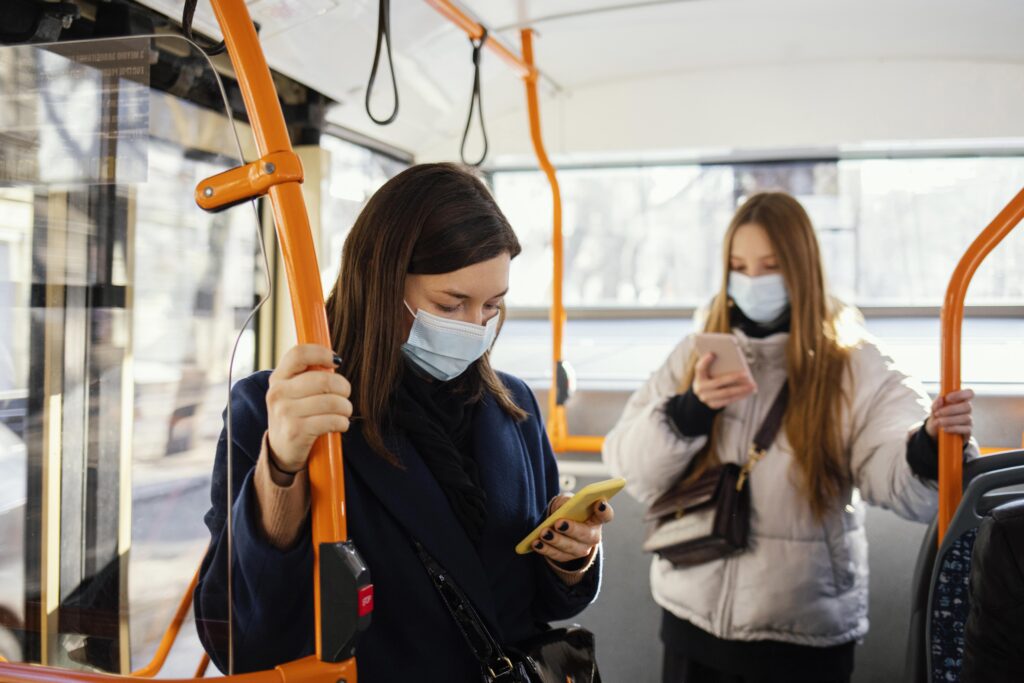
Most European cities rely heavily on public transport systems, such as buses, trams, metros, suburban trains, and regional rail services. Owning a private vehicle is often unnecessary, expensive, or restricted.
Discounted public transport helps medical students:
- Reduce monthly expenses
- Travel easily between campuses and hospitals
- Maintain punctuality during clinical training
- Live farther from expensive city centers
What Is Student Public Transport Discount in Europe?
Student public transport discounts are special reduced-fare travel passes offered to enrolled students at recognized educational institutions. These discounts may apply to:
- Monthly passes
- Semester passes
- Annual passes
- Unlimited travel cards
- City-specific or regional travel zones
Medical students usually qualify under the same student category, but some countries provide additional benefits for healthcare or clinical students.
Eligibility Criteria for Medical Students
While rules vary across Europe, most public transport authorities require the following:
1. Official Student Status
You must be:
- Enrolled in a recognized university or medical school
- Studying full-time (part-time students may have limited eligibility)
2. Valid Student ID or Enrollment Certificate
Accepted documents include:
- University student ID card
- Semester enrollment certificate
- Digital student verification
3. Age Limit (In Some Countries)
Some countries impose age limits, commonly:
- Under 26
- Under 27
- Under 30
Medical students pursuing longer programs should check age policies carefully.
4. Residence Status
Eligibility may differ for:
- EU/EEA students
- Non-EU international students
- Exchange students
Most European countries do allow international medical students to receive transport discounts.
Country-Wise Public Transport Discounts for Medical Students
Germany
Germany offers one of the best public transport systems for students.
Semester Ticket
Most medical universities provide a semester transport ticket included in the semester fee.
Key benefits:
- Unlimited travel within a city or region
- Valid for buses, trams, metro, and regional trains
- Available to all enrolled students, including medical students
- Covers university campuses and teaching hospitals
Medical students benefit greatly because:
- Clinical rotations are often in multiple hospitals
- Travel is frequent and daily
Some regions also provide nationwide student mobility options at reduced rates.
France
France provides generous student travel discounts.
Student Travel Passes
Medical students can apply for:
- Monthly or annual student passes
- Region-based or city-wide transport cards
Discount level:
- Up to 50% reduced fare compared to standard adult tickets
Medical students in cities with multiple hospitals benefit from integrated metro and bus networks.
Italy
Italy offers region-specific student discounts.
Key features:
- Reduced-price monthly and annual passes
- Discounts available to EU and non-EU medical students
- Regional transport authorities manage student pricing
Medical students often travel between:
- University campuses
- Teaching hospitals
- Research institutes
Discounts help significantly lower travel expenses.
Spain
Spain provides student transport benefits through:
- Youth cards
- Student passes
- Regional transport schemes
Medical students usually receive:
- Discounted metro and bus passes
- Reduced intercity travel costs in some regions
Discount percentages vary by autonomous community.
Poland
Poland is known for very affordable student transport.
Medical students receive:
- Up to 50% discount on public transport
- Discounts on trains, buses, trams, and metros
Eligibility applies to:
- Polish students
- International medical students enrolled in recognized universities
Poland is especially popular among international MBBS students due to low living costs.
Czech Republic
The Czech Republic offers excellent transport benefits.
Medical students can access:
- Reduced monthly and yearly transport passes
- Very low student fares for city travel
Prague and other university cities provide well-connected transport systems, ideal for hospital rotations.
Hungary
Hungary provides significant student discounts.
Benefits include:
- Discounted city transport passes
- Reduced intercity travel costs
Medical students studying in Budapest, Szeged, or Pécs benefit from affordable transport networks.
Romania
Romania offers student fare reductions, including:
- Reduced bus and metro fares
- Student monthly passes at low cost
Medical universities in Romania attract many international students who qualify for these benefits.
Lithuania, Latvia, and Estonia
Baltic countries provide student-friendly transport systems.
Medical students may receive:
- Discounted monthly passes
- City-wide transport cards
- Special student pricing for public transport
Discount levels depend on municipality policies.
Netherlands
The Netherlands offers a unique system.
EU students:
- May receive public transport benefits under student finance schemes
International students:
- Can purchase discounted student travel passes
- City-based transport discounts apply
Medical students often rely heavily on cycling combined with public transport.
Sweden
Sweden provides:
- Student-priced public transport passes
- Discounts for registered university students
Medical students benefit from integrated regional transport covering hospitals and campuses.
Austria
Austria offers:
- Semester and annual student transport passes
- City and regional discounts
Vienna has one of Europe’s most affordable student transport systems.
Special Considerations for Medical Students
Clinical Rotations and Hospital Travel
Medical students often travel to:
- Teaching hospitals
- Clinics outside the main campus
- Rural healthcare centers
Many transport passes:
- Cover extended zones
- Allow travel during early mornings and late nights
Night and Weekend Travel
Public transport passes usually:
- Remain valid 24/7
- Include weekends and holidays
This is crucial for medical students on emergency or night duty.
How to Apply for Student Public Transport Discounts
The application process is usually straightforward:
Step 1: Enroll at the University
You must complete your enrollment and receive student confirmation.
Step 2: Obtain Student Identification
This may include:
- Physical student ID
- Digital enrollment certificate
Step 3: Apply Through Transport Authority
Options include:
- Online application portals
- Transport offices
- University service centers
Step 4: Pay Discounted Fee
Payment can be monthly, semester-based, or annual.
Common Mistakes Students Should Avoid
- Missing enrollment deadlines for semester tickets
- Not checking age restrictions
- Assuming discounts apply automatically
- Forgetting to renew student status
- Buying full-price tickets unnecessarily
Medical students should always verify local rules early in the semester.
Cost Comparison: Student vs Regular Transport
On average, medical students save:
- 40–70% compared to adult fares
- Hundreds of euros per year
- Significant travel costs during clinical years
Over a 6-year medical program, transport discounts can save thousands of euros.
Benefits Beyond Cost Savings
Public transport discounts also offer:
- Environmentally friendly travel
- Reduced stress compared to driving
- Better time management
- Access to healthcare facilities across cities
- Improved student lifestyle
Do International Medical Students Get the Same Benefits?
In most European countries, yes.
International students enrolled in:
- Accredited universities
- Full-time medical programs
are eligible for student transport discounts. However:
- Some countries may exclude short-term exchange students
- Age limits may apply
Always check local transport authority guidelines.
Frequently Asked Questions (FAQ)
Do medical students automatically receive transport discounts?
In some countries, discounts are included in semester fees. In others, students must apply separately.
Are transport passes valid during holidays?
Many passes remain valid during semester breaks, but not all. This varies by region.
Can students use discounts for intercity travel?
Some countries offer reduced train fares for students, especially within national rail systems.
Are discounts available during internships?
If you remain enrolled as a student, discounts usually continue during clinical training.
Final Verdict: Is Public Transport Discount Worth It?
Absolutely.
Public transport discounts are one of the most valuable financial benefits for medical students in Europe. Whether studying medicine in Germany, Poland, Italy, or any other European country, students can significantly reduce their living expenses while enjoying reliable and efficient transportation.
For medical students balancing long study hours, hospital shifts, and academic pressure, affordable public transport is not a luxury—it’s a necessity.

Conclusion
European medical students generally do receive discounted public transport, making daily commuting affordable and convenient. The exact benefits vary by country, city, and student status, but almost every European nation offers some form of student fare reduction.
If you are planning to study medicine in Europe, understanding transport discounts in advance can help you:
- Plan your budget better
- Choose accommodation wisely
- Reduce unnecessary expenses
- Focus more on your medical studies
Do European Medical Students Receive Discounted Public Transport?
A Complete Guide for Students in Europe
Studying medicine in Europe is a dream for thousands of international and EU students every year. European countries offer high-quality medical education, globally recognized degrees, affordable tuition fees in many regions, and a strong healthcare system. However, apart from tuition and accommodation, daily living expenses play a major role in a student’s budget. One of the biggest recurring costs is public transportation.
A common question among aspiring and enrolled medical students is:
Do European medical students receive discounted public transport?
The short answer is yes, but the details depend on the country, city, university, and student status. This comprehensive guide explains everything medical students need to know about public transport discounts in Europe, including eligibility, types of passes, country-wise policies, and practical tips to save money.
Why Public Transport Discounts Matter for Medical Students
Medical students have unique daily travel needs compared to students of other disciplines. Their routine often includes:
- Daily university lectures
- Clinical rotations and hospital internships
- Laboratory sessions
- Research work
- Night shifts or early morning hospital duties
Most European cities rely heavily on public transport systems, such as buses, trams, metros, suburban trains, and regional rail services. Owning a private vehicle is often unnecessary, expensive, or restricted.
Discounted public transport helps medical students:
- Reduce monthly expenses
- Travel easily between campuses and hospitals
- Maintain punctuality during clinical training
- Live farther from expensive city centers
What Is Student Public Transport Discount in Europe?
Student public transport discounts are special reduced-fare travel passes offered to enrolled students at recognized educational institutions. These discounts may apply to:
- Monthly passes
- Semester passes
- Annual passes
- Unlimited travel cards
- City-specific or regional travel zones
Medical students usually qualify under the same student category, but some countries provide additional benefits for healthcare or clinical students.
Eligibility Criteria for Medical Students
While rules vary across Europe, most public transport authorities require the following:
1. Official Student Status
You must be:
- Enrolled in a recognized university or medical school
- Studying full-time (part-time students may have limited eligibility)
2. Valid Student ID or Enrollment Certificate
Accepted documents include:
- University student ID card
- Semester enrollment certificate
- Digital student verification
3. Age Limit (In Some Countries)
Some countries impose age limits, commonly:
- Under 26
- Under 27
- Under 30
Medical students pursuing longer programs should check age policies carefully.
4. Residence Status
Eligibility may differ for:
- EU/EEA students
- Non-EU international students
- Exchange students
Most European countries do allow international medical students to receive transport discounts.
Country-Wise Public Transport Discounts for Medical Students
Germany
Germany offers one of the best public transport systems for students.
Semester Ticket
Most medical universities provide a semester transport ticket included in the semester fee.
Key benefits:
- Unlimited travel within a city or region
- Valid for buses, trams, metro, and regional trains
- Available to all enrolled students, including medical students
- Covers university campuses and teaching hospitals
Medical students benefit greatly because:
- Clinical rotations are often in multiple hospitals
- Travel is frequent and daily
Some regions also provide nationwide student mobility options at reduced rates.
France
France provides generous student travel discounts.
Student Travel Passes
Medical students can apply for:
- Monthly or annual student passes
- Region-based or city-wide transport cards
Discount level:
- Up to 50% reduced fare compared to standard adult tickets
Medical students in cities with multiple hospitals benefit from integrated metro and bus networks.
Italy
Italy offers region-specific student discounts.
Key features:
- Reduced-price monthly and annual passes
- Discounts available to EU and non-EU medical students
- Regional transport authorities manage student pricing
Medical students often travel between:
- University campuses
- Teaching hospitals
- Research institutes
Discounts help significantly lower travel expenses.
Spain
Spain provides student transport benefits through:
- Youth cards
- Student passes
- Regional transport schemes
Medical students usually receive:
- Discounted metro and bus passes
- Reduced intercity travel costs in some regions
Discount percentages vary by autonomous community.
Poland
Poland is known for very affordable student transport.
Medical students receive:
- Up to 50% discount on public transport
- Discounts on trains, buses, trams, and metros
Eligibility applies to:
- Polish students
- International medical students enrolled in recognized universities
Poland is especially popular among international MBBS students due to low living costs.
Czech Republic
The Czech Republic offers excellent transport benefits.
Medical students can access:
- Reduced monthly and yearly transport passes
- Very low student fares for city travel
Prague and other university cities provide well-connected transport systems, ideal for hospital rotations.
Hungary
Hungary provides significant student discounts.
Benefits include:
- Discounted city transport passes
- Reduced intercity travel costs
Medical students studying in Budapest, Szeged, or Pécs benefit from affordable transport networks.
Romania
Romania offers student fare reductions, including:
- Reduced bus and metro fares
- Student monthly passes at low cost
Medical universities in Romania attract many international students who qualify for these benefits.
Lithuania, Latvia, and Estonia
Baltic countries provide student-friendly transport systems.
Medical students may receive:
- Discounted monthly passes
- City-wide transport cards
- Special student pricing for public transport
Discount levels depend on municipality policies.
Netherlands
The Netherlands offers a unique system.
EU students:
- May receive public transport benefits under student finance schemes
International students:
- Can purchase discounted student travel passes
- City-based transport discounts apply
Medical students often rely heavily on cycling combined with public transport.
Sweden
Sweden provides:
- Student-priced public transport passes
- Discounts for registered university students
Medical students benefit from integrated regional transport covering hospitals and campuses.
Austria
Austria offers:
- Semester and annual student transport passes
- City and regional discounts
Vienna has one of Europe’s most affordable student transport systems.
Special Considerations for Medical Students
Clinical Rotations and Hospital Travel
Medical students often travel to:
- Teaching hospitals
- Clinics outside the main campus
- Rural healthcare centers
Many transport passes:
- Cover extended zones
- Allow travel during early mornings and late nights
Night and Weekend Travel
Public transport passes usually:
- Remain valid 24/7
- Include weekends and holidays
This is crucial for medical students on emergency or night duty.
How to Apply for Student Public Transport Discounts
The application process is usually straightforward:
Step 1: Enroll at the University
You must complete your enrollment and receive student confirmation.
Step 2: Obtain Student Identification
This may include:
- Physical student ID
- Digital enrollment certificate
Step 3: Apply Through Transport Authority
Options include:
- Online application portals
- Transport offices
- University service centers
Step 4: Pay Discounted Fee
Payment can be monthly, semester-based, or annual.
Common Mistakes Students Should Avoid
- Missing enrollment deadlines for semester tickets
- Not checking age restrictions
- Assuming discounts apply automatically
- Forgetting to renew student status
- Buying full-price tickets unnecessarily
Medical students should always verify local rules early in the semester.
Cost Comparison: Student vs Regular Transport
On average, medical students save:
- 40–70% compared to adult fares
- Hundreds of euros per year
- Significant travel costs during clinical years
Over a 6-year medical program, transport discounts can save thousands of euros.
Benefits Beyond Cost Savings
Public transport discounts also offer:
- Environmentally friendly travel
- Reduced stress compared to driving
- Better time management
- Access to healthcare facilities across cities
- Improved student lifestyle
Do International Medical Students Get the Same Benefits?
In most European countries, yes.
International students enrolled in:
- Accredited universities
- Full-time medical programs
are eligible for student transport discounts. However:
- Some countries may exclude short-term exchange students
- Age limits may apply
Always check local transport authority guidelines.
Frequently Asked Questions (FAQ)
Do medical students automatically receive transport discounts?
In some countries, discounts are included in semester fees. In others, students must apply separately.
Are transport passes valid during holidays?
Many passes remain valid during semester breaks, but not all. This varies by region.
Can students use discounts for intercity travel?
Some countries offer reduced train fares for students, especially within national rail systems.
Are discounts available during internships?
If you remain enrolled as a student, discounts usually continue during clinical training.
Final Verdict: Is Public Transport Discount Worth It?
Absolutely.
Public transport discounts are one of the most valuable financial benefits for medical students in Europe. Whether studying medicine in Germany, Poland, Italy, or any other European country, students can significantly reduce their living expenses while enjoying reliable and efficient transportation.
For medical students balancing long study hours, hospital shifts, and academic pressure, affordable public transport is not a luxury—it’s a necessity.
Conclusion
European medical students generally do receive discounted public transport, making daily commuting affordable and convenient. The exact benefits vary by country, city, and student status, but almost every European nation offers some form of student fare reduction.
If you are planning to study medicine in Europe, understanding transport discounts in advance can help you:
- Plan your budget better
- Choose accommodation wisely
- Reduce unnecessary expenses
- Focus more on your medical studies
Public transport discounts are a small detail—but they make a big difference in a medical student’s life. visit the Federal Employment Agency’s Ausbildung Portal or the Make It In Germany website.