Is Tiler Ausbildung in Demand in Germany? – Complete Guide for 2025
Tiler Ausbildung in Germany in demand
Choosing a vocational training program (Ausbildung) in Germany can shape your future career, earning potential, and long-term stability. Among the many skilled trade professions, Tiler Ausbildung (Fliesenleger Ausbildung) has become a highly popular choice for international students and job seekers who want to build a stable technical career in Germany. But is Tiler Ausbildung actually in demand? Will you get good job opportunities? How is the work environment, salary, and future growth?
This detailed blog answers all these questions with a clear picture of job demand, career prospects, salary structure, training details, work conditions, and long-term opportunities for tilers in Germany.

1. Introduction: Why Tiling Profession Matters in Germany?
Germany is known for its strong construction industry, modern infrastructure, and high demand for skilled workers. A large portion of this demand comes from the renovation and real-estate sector. Whether it’s residential apartments, commercial buildings, office complexes, hospitals, hotels, schools, or luxury properties—professional tilers are needed everywhere.
Germany invests billions each year in:
- Construction of new housing projects
- Renovation of old buildings
- Modernization and insulation work
- Bathroom and kitchen remodeling
- Ceramic and natural stone installations
Because of this continuous growth, Fliesenleger (tilers) are always in high demand. And with many German workers retiring, the shortage is getting bigger every year.
2. Is Tiler Ausbildung in Demand in Germany? (Short Answer: YES!)
Yes, Tiler Ausbildung is strongly in demand in Germany and is listed among shortage occupations (Fachkräftemangel). There are not enough skilled tilers to meet the requirements of builders, construction companies, and renovation contractors.
Why the demand is high?
- Massive construction projects across Germany
- Renovation needs due to energy-efficiency laws
- Aging skilled workforce (many workers retiring)
- Shortage of young trade professionals
- Growing real-estate investments
- High-quality standards requiring trained workers
This leads to excellent job opportunities, job security, and high earning potential after completing the Ausbildung.
3. What Exactly Is Tiler Ausbildung?
Tiler Ausbildung (Fliesen-, Platten- und Mosaikleger Ausbildung) is a 3-year dual vocational training program in Germany. During this Ausbildung, trainees learn:
- Installing ceramic tiles, stone tiles & mosaic tiles
- Laying floors and wall coverings
- Cutting, measuring, and designing tile layouts
- Preparing surfaces for tiling
- Waterproofing and insulation techniques
- Working with modern tools & machines
- Safety protocols on construction sites
Training takes place in two places:
- Practical training at a company
- Theoretical classes at vocational school (Berufsschule)
4. Why Germans Prefer Skilled Tilers?
Germany has strict building and quality standards. A bathroom renovation, kitchen upgrade, balcony waterproofing, or floor installation must follow specific regulations. Poor quality work can cause structural damage, leakage, and huge repair costs.
That’s why German companies prefer trained tilers, not unskilled labor.
Trained tilers learn:
- Waterproofing according to DIN standards
- Insulation techniques for bathrooms
- Precision tile cutting and measurement
- Heat-resistant and moisture-proof installation
- Working with premium materials and tools
This professional skill requirement increases the value and demand of tilers across the country.
5. Current Market Demand for Tilers in Germany
Below are the strongest indicators showing high demand for tilers:
✔ 1. Thousands of Job Vacancies
Across major job platforms (Indeed, Stepstone, Arbeitsagentur), you’ll find hundreds of vacancies for tilers every month.
✔ 2. High Demand in All Regions
Tiler demand is rising in:
- Berlin
- Munich
- Hamburg
- Frankfurt
- Stuttgart
- Cologne
- Düsseldorf
- Smaller towns and rural areas
The construction boom is not limited to big cities.
✔ 3. Shortage Occupation (Fachkräftemangel)
The German government lists construction trades among shortage professions, and tiling is a part of it.
✔ 4. Rising Housing Projects
Germany targets building 400,000+ new houses annually—increasing demand for skilled tilers.
✔ 5. Renovation Boom
Old buildings (especially pre- and post-war structures) must be modernized, which includes tiling of:
- Bathrooms
- Kitchens
- Basements
- Balconies
- Hallways
This keeps tilers continuously busy.
6. Who Should Choose Tiler Ausbildung?
This career is best for people who:
- Enjoy working with hands
- Like designing or crafting
- Are physically fit
- Can work on construction sites
- Can handle tools and machinery
- Like technical and creative work
If you enjoy practical work and want a stable career, this Ausbildung is perfect.
7. Eligibility for Tiler Ausbildung
Minimum Requirements:
- 10th or 12th class (depends on employer)
- Basic German language (B1 recommended)
- Interest in construction or practical work
- No specific degree required
Companies prefer candidates who show motivation and willingness to learn.
8. Salary During Tiler Ausbildung (2025)
The salary (Ausbildungsvergütung) may vary depending on company and region, but on average:
Year 1: €900 – €1,000 per month
Year 2: €1,050 – €1,200 per month
Year 3: €1,200 – €1,400 per month
Some companies even offer salaries above these ranges.
9. Salary After Ausbildung (Fully Qualified Tiler)
After completing the Ausbildung, the average salary ranges between:
€2,300 – €3,200 per month (starting salary)
With experience, tilers can earn:
€3,500 – €4,500+ per month
If you work overtime, weekends, or special projects, income can go even higher.
10. Future Career Opportunities for Tilers in Germany
After completing the Ausbildung, you can grow quickly in your career.
1. Experienced Tiler
Higher salary + more responsibility.
2. Tiling Supervisor (Vorarbeiter)
Leads teams on construction sites.
3. Master Tiler (Meister)
You can open your own company and hire employees.
4. Construction Manager
With experience and additional qualifications.
5. Self-Employment / Freelancer
Self-employed tilers in Germany earn €45,000 – €70,000+ per year.
6. Specialized Tiler
Working on high-end projects, luxury tiles, stone tiles, or mosaic art.
The profession offers massive growth potential for skilled workers.
11. Work Conditions for Tilers
Tilers work both indoors and outdoors, depending on the project. Work includes:
- Standing for long hours
- Using tools and machines
- Working with cement, adhesives, and waterproofing materials
- Sometimes lifting heavy tiles or materials
However, the work is creative and practical, and many people enjoy the satisfaction of completing visible, high-quality work.
12. Advantages of Choosing Tiler Ausbildung
✔ High demand and job security
Germany urgently needs skilled tilers.
✔ Good salary during training
Your training is paid.
✔ Excellent salary after Ausbildung
Above-average earnings in trades.
✔ Clear career growth path
Supervisor → Master Technician → Business Owner.
✔ Opportunities for self-employment
Freelancers earn well.
✔ No university degree required
Practical skills matter more than theory.
13. Challenges of the Profession
Every job has challenges, and Tiler Ausbildung is no different:
- Physical work
- Working on construction sites
- Precision and accuracy required
- Time pressure during big projects
- Weather conditions (for outdoor work)
But for those who enjoy hands-on work, these challenges become part of the excitement.
14. Is Tiler Ausbildung Good for International Students?
Yes, it’s an excellent choice for:
- Students from India
- Students from Nepal, Bangladesh, Sri Lanka
- Non-EU countries
- Students who prefer practical careers
- Those who want a high-demand profession
Because Germany has a huge shortage of skilled tilers, international trainees are welcome.
15. How to Apply for Tiler Ausbildung?
Steps:
- Improve German to B1 level
- Prepare your CV in German
- Create motivation letter
- Apply to companies via email or portals
- Attend online interview
- Receive training contract
- Apply for visa
- Travel to Germany and begin Ausbildung
16. Tips to Increase Your Chances of Selection
- Learn German as much as possible
- Show interest in construction work
- Mention practical skills
- Highlight teamwork and discipline
- Keep CV clean, simple, and professional
- Apply early (September–March is best)
17. Final Conclusion
So, is Tiler Ausbildung in demand in Germany? Absolutely, YES.
Germany faces a massive shortage of skilled tilers across all regions. With continuous construction growth, renovation projects, and aging workers retiring, the demand will stay high for years. The profession offers:
- High job security
- Good salary during and after Ausbildung
- Strong career growth
- Possibilities for self-employment
- Long-term residence and work opportunities
If you want a stable, financially rewarding, and future-proof career in Germany, Tiler Ausbildung is one of the best options to choose in 2025 and beyond.
Choosing a vocational training program (Ausbildung) in Germany can shape your future career, earning potential, and long-term stability. Among the many skilled trade professions, Tiler Ausbildung (Fliesenleger Ausbildung) has become a highly popular choice for international students and job seekers who want to build a stable technical career in Germany. But is Tiler Ausbildung actually in demand? Will you get good job opportunities? How is the work environment, salary, and future growth?
This detailed blog answers all these questions with a clear picture of job demand, career prospects, salary structure, training details, work conditions, and long-term opportunities for tilers in Germany.
1. Introduction: Why Tiling Profession Matters in Germany?
Germany is known for its strong construction industry, modern infrastructure, and high demand for skilled workers. A large portion of this demand comes from the renovation and real-estate sector. Whether it’s residential apartments, commercial buildings, office complexes, hospitals, hotels, schools, or luxury properties—professional tilers are needed everywhere.
Germany invests billions each year in:
- Construction of new housing projects
- Renovation of old buildings
- Modernization and insulation work
- Bathroom and kitchen remodeling
- Ceramic and natural stone installations
Because of this continuous growth, Fliesenleger (tilers) are always in high demand. And with many German workers retiring, the shortage is getting bigger every year.
2. Is Tiler Ausbildung in Demand in Germany? (Short Answer: YES!)
Yes, Tiler Ausbildung is strongly in demand in Germany and is listed among shortage occupations (Fachkräftemangel). There are not enough skilled tilers to meet the requirements of builders, construction companies, and renovation contractors.
Why the demand is high?
- Massive construction projects across Germany
- Renovation needs due to energy-efficiency laws
- Aging skilled workforce (many workers retiring)
- Shortage of young trade professionals
- Growing real-estate investments
- High-quality standards requiring trained workers
This leads to excellent job opportunities, job security, and high earning potential after completing the Ausbildung.
3. What Exactly Is Tiler Ausbildung?
Tiler Ausbildung (Fliesen-, Platten- und Mosaikleger Ausbildung) is a 3-year dual vocational training program in Germany. During this Ausbildung, trainees learn:
- Installing ceramic tiles, stone tiles & mosaic tiles
- Laying floors and wall coverings
- Cutting, measuring, and designing tile layouts
- Preparing surfaces for tiling
- Waterproofing and insulation techniques
- Working with modern tools & machines
- Safety protocols on construction sites
Training takes place in two places:
- Practical training at a company
- Theoretical classes at vocational school (Berufsschule)
4. Why Germans Prefer Skilled Tilers?
Germany has strict building and quality standards. A bathroom renovation, kitchen upgrade, balcony waterproofing, or floor installation must follow specific regulations. Poor quality work can cause structural damage, leakage, and huge repair costs.
That’s why German companies prefer trained tilers, not unskilled labor.
Trained tilers learn:
- Waterproofing according to DIN standards
- Insulation techniques for bathrooms
- Precision tile cutting and measurement
- Heat-resistant and moisture-proof installation
- Working with premium materials and tools
This professional skill requirement increases the value and demand of tilers across the country.
5. Current Market Demand for Tilers in Germany
Below are the strongest indicators showing high demand for tilers:
✔ 1. Thousands of Job Vacancies
Across major job platforms (Indeed, Stepstone, Arbeitsagentur), you’ll find hundreds of vacancies for tilers every month.
✔ 2. High Demand in All Regions
Tiler demand is rising in:
- Berlin
- Munich
- Hamburg
- Frankfurt
- Stuttgart
- Cologne
- Düsseldorf
- Smaller towns and rural areas
The construction boom is not limited to big cities.
✔ 3. Shortage Occupation (Fachkräftemangel)
The German government lists construction trades among shortage professions, and tiling is a part of it.
✔ 4. Rising Housing Projects
Germany targets building 400,000+ new houses annually—increasing demand for skilled tilers.
✔ 5. Renovation Boom
Old buildings (especially pre- and post-war structures) must be modernized, which includes tiling of:
- Bathrooms
- Kitchens
- Basements
- Balconies
- Hallways
This keeps tilers continuously busy.
6. Who Should Choose Tiler Ausbildung?
This career is best for people who:
- Enjoy working with hands
- Like designing or crafting
- Are physically fit
- Can work on construction sites
- Can handle tools and machinery
- Like technical and creative work
If you enjoy practical work and want a stable career, this Ausbildung is perfect.
7. Eligibility for Tiler Ausbildung
Minimum Requirements:
- 10th or 12th class (depends on employer)
- Basic German language (B1 recommended)
- Interest in construction or practical work
- No specific degree required
Companies prefer candidates who show motivation and willingness to learn.
8. Salary During Tiler Ausbildung (2025)
The salary (Ausbildungsvergütung) may vary depending on company and region, but on average:
Year 1: €900 – €1,000 per month
Year 2: €1,050 – €1,200 per month
Year 3: €1,200 – €1,400 per month
Some companies even offer salaries above these ranges.
9. Salary After Ausbildung (Fully Qualified Tiler)
After completing the Ausbildung, the average salary ranges between:
€2,300 – €3,200 per month (starting salary)
With experience, tilers can earn:
€3,500 – €4,500+ per month
If you work overtime, weekends, or special projects, income can go even higher.
10. Future Career Opportunities for Tilers in Germany
After completing the Ausbildung, you can grow quickly in your career.
1. Experienced Tiler
Higher salary + more responsibility.
2. Tiling Supervisor (Vorarbeiter)
Leads teams on construction sites.
3. Master Tiler (Meister)
You can open your own company and hire employees.
4. Construction Manager
With experience and additional qualifications.
5. Self-Employment / Freelancer
Self-employed tilers in Germany earn €45,000 – €70,000+ per year.
6. Specialized Tiler
Working on high-end projects, luxury tiles, stone tiles, or mosaic art.
The profession offers massive growth potential for skilled workers.
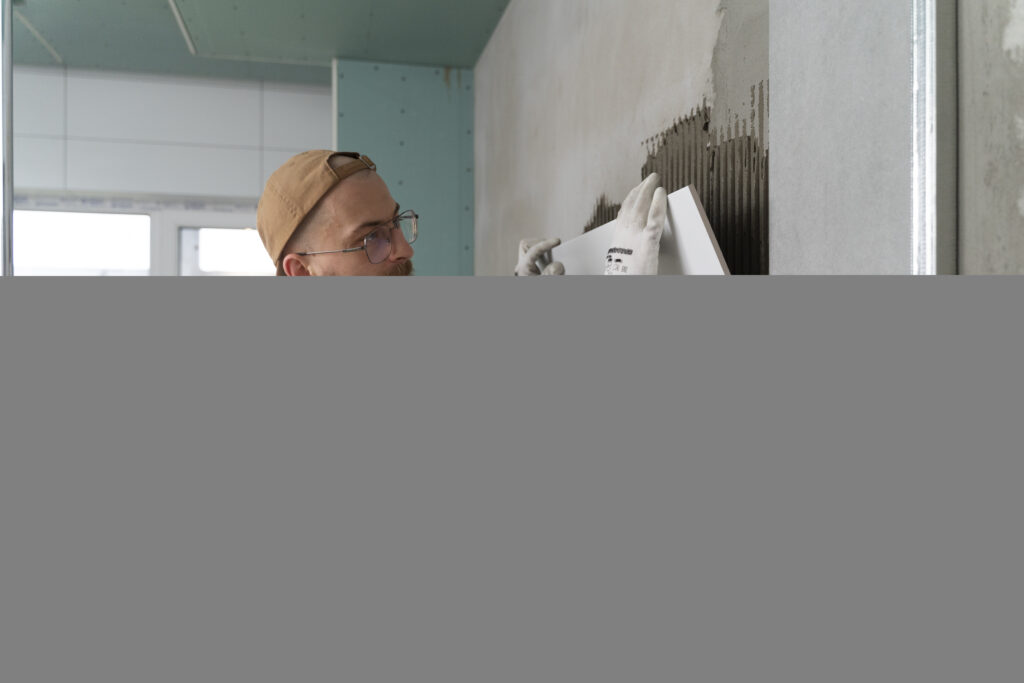
11. Work Conditions for Tilers
Tilers work both indoors and outdoors, depending on the project. Work includes:
- Standing for long hours
- Using tools and machines
- Working with cement, adhesives, and waterproofing materials
- Sometimes lifting heavy tiles or materials
However, the work is creative and practical, and many people enjoy the satisfaction of completing visible, high-quality work.
12. Advantages of Choosing Tiler Ausbildung
✔ High demand and job security
Germany urgently needs skilled tilers.
✔ Good salary during training
Your training is paid.
✔ Excellent salary after Ausbildung
Above-average earnings in trades.
✔ Clear career growth path
Supervisor → Master Technician → Business Owner.
✔ Opportunities for self-employment
Freelancers earn well.
✔ No university degree required
Practical skills matter more than theory.
13. Challenges of the Profession
Every job has challenges, and Tiler Ausbildung is no different:
- Physical work
- Working on construction sites
- Precision and accuracy required
- Time pressure during big projects
- Weather conditions (for outdoor work)
But for those who enjoy hands-on work, these challenges become part of the excitement.
14. Is Tiler Ausbildung Good for International Students?
Yes, it’s an excellent choice for:
- Students from India
- Students from Nepal, Bangladesh, Sri Lanka
- Non-EU countries
- Students who prefer practical careers
- Those who want a high-demand profession
Because Germany has a huge shortage of skilled tilers, international trainees are welcome.
15. How to Apply for Tiler Ausbildung?
Steps:
- Improve German to B1 level
- Prepare your CV in German
- Create motivation letter
- Apply to companies via email or portals
- Attend online interview
- Receive training contract
- Apply for visa
- Travel to Germany and begin Ausbildung
16. Tips to Increase Your Chances of Selection
- Learn German as much as possible
- Show interest in construction work
- Mention practical skills
- Highlight teamwork and discipline
- Keep CV clean, simple, and professional
- Apply early (September–March is best)
17. Final Conclusion
So, is Tiler Ausbildung in demand in Germany? Absolutely, YES.
Germany faces a massive shortage of skilled tilers across all regions. With continuous construction growth, renovation projects, and aging workers retiring, the demand will stay high for years. The profession offers:
- High job security
- Good salary during and after Ausbildung
- Strong career growth
- Possibilities for self-employment
- Long-term residence and work opportunities
If you want a stable, financially rewarding, and future-proof career in Germany, Tiler Ausbildung is one of the best options to choose in 2025 and beyond.
For official details about vocational training regulations and wages, you can visit the Federal Employment Agency’s Ausbildung Portal or the Make It In Germany website.