
What Skills Are Required Before Joining a Tiler Program?
Skills required before joining a tiler program
Entering a tiler program is an excellent choice for students who want a stable, hands-on career in the construction industry. Tiling is a skilled trade that blends technical ability, precision, physical strength, creativity, and attention to detail. Whether you plan to work in residential homes, commercial sites, or large infrastructure projects, tiling offers long-term job security and opportunities for growth.
Before joining a tiler program—whether in Germany, India, or any other country—it is essential to understand the skills, qualities, and mindset required for success. Training centers, vocational schools, and Ausbildung programs expect candidates to have basic readiness, even if they are complete beginners.
In this detailed 2500-word guide, we will explore the top skills required before joining a tiler program, why these skills matter, and how you can develop them even before starting your formal training.
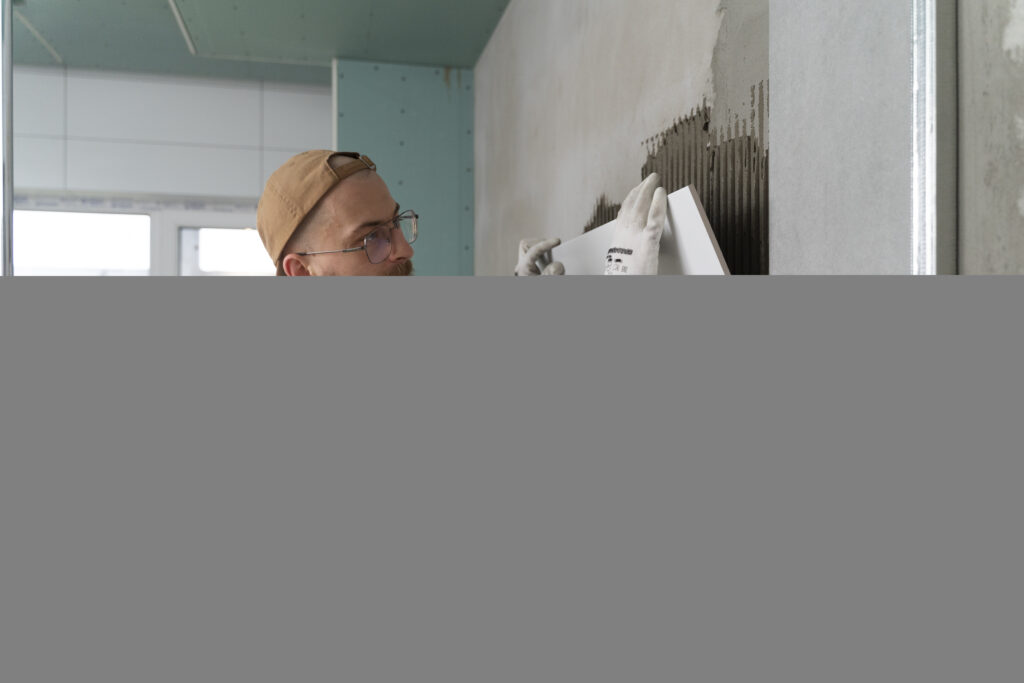
1. Understanding the Tiler Profession
Before you begin learning tiling skills, it is important to understand what the profession involves. A tiler is responsible for cutting, shaping, and installing tiles made of ceramic, porcelain, marble, glass, granite, or natural stone on walls, floors, and other surfaces.
Tilers work in bathrooms, kitchens, outdoor spaces, swimming pools, commercial buildings, and more. While the work can be physically demanding, it is also extremely rewarding because you can see the final results of your craftsmanship.
Tiling requires:
- Mathematical calculations (measurements, area calculation, tile alignment)
- Use of tools and machinery (cutters, trowels, mixers)
- Problem-solving ability
- Knowledge of materials and adhesives
- Precision and aesthetic sense
A good tiler is a combination of a technician, an artist, and a problem solver.
2. Why Skills Matter Before Starting a Tiler Program
Many people believe tiling is easy or requires no prior knowledge, but training institutes expect applicants to have certain qualities. These skills help you:
- Learn faster during training
- Avoid workplace injuries
- Develop accuracy early
- Work confidently on practical tasks
- Meet professional standards expected by employers
While you do not need professional tiling experience, basic readiness and interest make a huge difference.
Essential Skills Required Before Joining a Tiler Program
Below is the complete list of key skills you should have or start developing before beginning your tiler training.
3. Physical Strength and Stamina
Tiling is a physically demanding job. You will often work in bending, squatting, or kneeling positions for long periods. Handling tiles, bags of cement, and adhesive materials requires strength and endurance.
What you need:
- Ability to lift 20–25 kg
- Good hand–eye coordination
- Physical fitness to work on-site
- Stamina to perform repetitive tasks
Why it matters:
A physically prepared learner can focus more on learning techniques instead of struggling with basic physical demands.
How to improve:
- Light weight training
- Stretching exercises
- Improving posture
- Practicing balance and flexibility
Even basic daily exercise helps build stamina for tiling activities.

4. Basic Mathematical Skills
Tiling involves precise measurements and planning. Even if you are not excellent at math, you must understand basic concepts.
Essential mathematics for tiling:
- Measurement in cm/m
- Understanding angles
- Cutting calculations
- Area calculation (length × width)
- Tile spacing and alignment
Why math is important:
Incorrect measurements can lead to wasted materials, uneven designs, and costly mistakes.
Practice this before training:
- Measuring surfaces at home
- Calculating tile quantity for a small room
- Learning simple geometry basics
5. Attention to Detail
Precision is one of the most important qualities of a good tiler. A small mistake in alignment or spacing can ruin the entire look of a wall or floor.
You should be able to:
- Follow patterns accurately
- Maintain even spacing
- Work patiently
- Spot mistakes early
Why it matters:
Clients expect a perfectly finished surface—smooth, aligned, and symmetrical.
6. Basic Hand Skills and Tool Handling
You will learn professional tools during your tiler program, but having basic hand skills is helpful.
Tools tilers use:
- Tile cutters
- Trowels
- Grout float
- Spirit level
- Measuring tape
- Mixing drills
- Spacers
- Rubber mallet
Before joining, you should practice:
- Using a measuring tape accurately
- Handling small tools
- Following safety instructions
These small experiences help you learn faster in the program.
7. Analytical and Problem-Solving Skills
Tiling is not just cutting and pasting tiles. Every site is different, and problems often arise.
Situations where problem-solving is needed:
- Uneven floors
- Wrong tile size
- Corners and curves
- Water leakage areas
- Measurement mismatches
A good tiler quickly identifies the issue and finds the best solution.
Improve problem-solving:
- Practice thinking logically
- Learn basic construction concepts
- Watch tiling tutorials to analyze methods
8. Creativity and Aesthetic Sense
Tiling is also an artistic job. Clients often look for attractive patterns and stylish finishes.
You should develop:
- Sense of color combinations
- Pattern design interest
- Clean finishing skills
- Ability to visualize the final look
Why creativity matters:
Modern tiling includes:
- Decorative walls
- Mosaic patterns
- Marble designs
- Artistic tile layouts
Having creativity makes your work stand out and helps you get better opportunities.
9. Ability to Follow Instructions
Many tasks during training and on the job require following step-by-step guidelines.
This includes:
- Mixing adhesives
- Cutting tiles safely
- Applying grout correctly
- Checking alignment
- Following site rules
Why it is essential:
Tiling mistakes are expensive, and instructions exist to maintain safety and quality.
10. Communication Skills
Tilers often work with:
- Contractors
- Clients
- Architects
- Co-workers
Even basic communication skills help you understand instructions and explain your work clearly.
Key communication abilities:
- Listening carefully
- Asking questions when unsure
- Explaining issues on site
- Coordinating with team members
Good communication creates a professional image and reduces misunderstandings.
11. Self-Discipline and Time Management
Construction work runs on tight deadlines. Tiles must be installed within specific timelines for the next process to begin.
Good habits include:
- Reaching training or job site on time
- Completing tasks within deadlines
- Maintaining consistency
- Managing your daily schedule
Why it matters:
A disciplined tiler is highly valued in the industry and quickly earns respect.
12. Safety Awareness
Safety is extremely important in tiling.
Before joining the program, you should understand:
- Importance of safety boots
- Wearing protective gloves
- Handling sharp tile cutters
- Ensuring proper ventilation
- Maintaining a clean workspace
Why safety awareness is required:
Tiling involves risks like:
- Cuts
- Slips
- Heavy lifting injuries
- Chemical exposure
Safety awareness reduces accidents and increases confidence.
13. Basic Construction Knowledge (Optional but Helpful)
You don’t need advanced construction experience, but basic knowledge helps.
Useful basics include:
- Understanding cement, sand, mortar
- Flooring types
- Wall leveling techniques
- Waterproofing basics
- Reading simple construction drawings
This foundational awareness makes learning tiling much easier.
14. Willingness to Learn and Improve
The tiling profession keeps changing with new materials, designs, and tools. You must have the mindset to learn continuously.
Important qualities:
- Curiosity
- Patience
- Adaptability
- Openness to feedback
- Willingness to practice regularly
Training programs appreciate students who show genuine interest in improving their skills.
How to Prepare Yourself Before Starting a Tiler Program
If you want to stand out during your training, start preparing today.
Useful preparation tips:
- Watch tiling tutorials on YouTube
- Practice measuring and marking
- Try small DIY tile projects
- Learn basic construction vocabulary
- Improve fitness
- Visit construction sites (if possible)
- Talk to professional tilers for guidance
These steps will give you confidence even before your program begins.
Common Mistakes Beginners Make and How to Avoid Them
1. Not focusing on measurements
→ Solution: Always double-check length, width, angles.
2. Working too fast
→ Solution: Prioritize accuracy over speed.
3. Not cleaning surfaces properly
→ Solution: Clean and level surface before installation.
4. Poor spacing
→ Use proper spacers for uniform gaps.
5. Using tools incorrectly
→ Read manuals or ask trainers for proper guidance.
Avoiding these mistakes will make your learning journey smoother and more efficient.
Career Opportunities After Completing a Tiler Program
Once you have the required skills and complete the program, you can explore:
- Residential tiling jobs
- Commercial projects
- Interior design collaboration
- Marble and stone installation
- Swimming pool tile work
- Self-employed tiler business
- International job opportunities
- Specialization in mosaic or decorative tiling
Skilled tilers are always in demand, especially in countries like Germany, UAE, Australia, Canada, and the UK.
Conclusion
Before joining a tiler program, you do not need advanced experience, but you must have a strong foundation in certain skills such as:
- Physical fitness
- Basic mathematics
- Attention to detail
- Tool handling
- Communication
- Problem-solving
- Creativity
- Safety awareness
- Discipline
- Willingness to learn
These skills help you become a confident learner and a successful professional tiler. With proper dedication and continuous practice, you can build a rewarding career in the construction and interior finishing industry.Entering a tiler program is an excellent choice for students who want a stable, hands-on career in the construction industry. Tiling is a skilled trade that blends technical ability, precision, physical strength, creativity, and attention to detail. Whether you plan to work in residential homes, commercial sites, or large infrastructure projects, tiling offers long-term job security and opportunities for growth.
Before joining a tiler program—whether in Germany, India, or any other country—it is essential to understand the skills, qualities, and mindset required for success. Training centers, vocational schools, and Ausbildung programs expect candidates to have basic readiness, even if they are complete beginners.
In this detailed 2500-word guide, we will explore the top skills required before joining a tiler program, why these skills matter, and how you can develop them even before starting your formal training.
1. Understanding the Tiler Profession
Before you begin learning tiling skills, it is important to understand what the profession involves. A tiler is responsible for cutting, shaping, and installing tiles made of ceramic, porcelain, marble, glass, granite, or natural stone on walls, floors, and other surfaces.
Tilers work in bathrooms, kitchens, outdoor spaces, swimming pools, commercial buildings, and more. While the work can be physically demanding, it is also extremely rewarding because you can see the final results of your craftsmanship.
Tiling requires:
- Mathematical calculations (measurements, area calculation, tile alignment)
- Use of tools and machinery (cutters, trowels, mixers)
- Problem-solving ability
- Knowledge of materials and adhesives
- Precision and aesthetic sense
A good tiler is a combination of a technician, an artist, and a problem solver.
2. Why Skills Matter Before Starting a Tiler Program
Many people believe tiling is easy or requires no prior knowledge, but training institutes expect applicants to have certain qualities. These skills help you:
- Learn faster during training
- Avoid workplace injuries
- Develop accuracy early
- Work confidently on practical tasks
- Meet professional standards expected by employers
While you do not need professional tiling experience, basic readiness and interest make a huge difference.
Essential Skills Required Before Joining a Tiler Program
Below is the complete list of key skills you should have or start developing before beginning your tiler training.
3. Physical Strength and Stamina
Tiling is a physically demanding job. You will often work in bending, squatting, or kneeling positions for long periods. Handling tiles, bags of cement, and adhesive materials requires strength and endurance.
What you need:
- Ability to lift 20–25 kg
- Good hand–eye coordination
- Physical fitness to work on-site
- Stamina to perform repetitive tasks
Why it matters:
A physically prepared learner can focus more on learning techniques instead of struggling with basic physical demands.
How to improve:
- Light weight training
- Stretching exercises
- Improving posture
- Practicing balance and flexibility
Even basic daily exercise helps build stamina for tiling activities.
4. Basic Mathematical Skills
Tiling involves precise measurements and planning. Even if you are not excellent at math, you must understand basic concepts.
Essential mathematics for tiling:
- Measurement in cm/m
- Understanding angles
- Cutting calculations
- Area calculation (length × width)
- Tile spacing and alignment
Why math is important:
Incorrect measurements can lead to wasted materials, uneven designs, and costly mistakes.
Practice this before training:
- Measuring surfaces at home
- Calculating tile quantity for a small room
- Learning simple geometry basics
5. Attention to Detail
Precision is one of the most important qualities of a good tiler. A small mistake in alignment or spacing can ruin the entire look of a wall or floor.
You should be able to:
- Follow patterns accurately
- Maintain even spacing
- Work patiently
- Spot mistakes early
Why it matters:
Clients expect a perfectly finished surface—smooth, aligned, and symmetrical.
6. Basic Hand Skills and Tool Handling
You will learn professional tools during your tiler program, but having basic hand skills is helpful.
Tools tilers use:
- Tile cutters
- Trowels
- Grout float
- Spirit level
- Measuring tape
- Mixing drills
- Spacers
- Rubber mallet
Before joining, you should practice:
- Using a measuring tape accurately
- Handling small tools
- Following safety instructions
These small experiences help you learn faster in the program.
7. Analytical and Problem-Solving Skills
Tiling is not just cutting and pasting tiles. Every site is different, and problems often arise.
Situations where problem-solving is needed:
- Uneven floors
- Wrong tile size
- Corners and curves
- Water leakage areas
- Measurement mismatches
A good tiler quickly identifies the issue and finds the best solution.
Improve problem-solving:
- Practice thinking logically
- Learn basic construction concepts
- Watch tiling tutorials to analyze methods
8. Creativity and Aesthetic Sense
Tiling is also an artistic job. Clients often look for attractive patterns and stylish finishes.
You should develop:
- Sense of color combinations
- Pattern design interest
- Clean finishing skills
- Ability to visualize the final look
Why creativity matters:
Modern tiling includes:
- Decorative walls
- Mosaic patterns
- Marble designs
- Artistic tile layouts
Having creativity makes your work stand out and helps you get better opportunities.
9. Ability to Follow Instructions
Many tasks during training and on the job require following step-by-step guidelines.
This includes:
- Mixing adhesives
- Cutting tiles safely
- Applying grout correctly
- Checking alignment
- Following site rules
Why it is essential:
Tiling mistakes are expensive, and instructions exist to maintain safety and quality.
10. Communication Skills
Tilers often work with:
- Contractors
- Clients
- Architects
- Co-workers
Even basic communication skills help you understand instructions and explain your work clearly.
Key communication abilities:
- Listening carefully
- Asking questions when unsure
- Explaining issues on site
- Coordinating with team members
Good communication creates a professional image and reduces misunderstandings.
11. Self-Discipline and Time Management
Construction work runs on tight deadlines. Tiles must be installed within specific timelines for the next process to begin.
Good habits include:
- Reaching training or job site on time
- Completing tasks within deadlines
- Maintaining consistency
- Managing your daily schedule
Why it matters:
A disciplined tiler is highly valued in the industry and quickly earns respect.
12. Safety Awareness
Safety is extremely important in tiling.
Before joining the program, you should understand:
- Importance of safety boots
- Wearing protective gloves
- Handling sharp tile cutters
- Ensuring proper ventilation
- Maintaining a clean workspace
Why safety awareness is required:
Tiling involves risks like:
- Cuts
- Slips
- Heavy lifting injuries
- Chemical exposure
Safety awareness reduces accidents and increases confidence.
13. Basic Construction Knowledge (Optional but Helpful)
You don’t need advanced construction experience, but basic knowledge helps.
Useful basics include:
- Understanding cement, sand, mortar
- Flooring types
- Wall leveling techniques
- Waterproofing basics
- Reading simple construction drawings
This foundational awareness makes learning tiling much easier.
14. Willingness to Learn and Improve
The tiling profession keeps changing with new materials, designs, and tools. You must have the mindset to learn continuously.
Important qualities:
- Curiosity
- Patience
- Adaptability
- Openness to feedback
- Willingness to practice regularly
Training programs appreciate students who show genuine interest in improving their skills.
How to Prepare Yourself Before Starting a Tiler Program
If you want to stand out during your training, start preparing today.
Useful preparation tips:
- Watch tiling tutorials on YouTube
- Practice measuring and marking
- Try small DIY tile projects
- Learn basic construction vocabulary
- Improve fitness
- Visit construction sites (if possible)
- Talk to professional tilers for guidance
These steps will give you confidence even before your program begins.
Common Mistakes Beginners Make and How to Avoid Them
1. Not focusing on measurements
→ Solution: Always double-check length, width, angles.
2. Working too fast
→ Solution: Prioritize accuracy over speed.
3. Not cleaning surfaces properly
→ Solution: Clean and level surface before installation.
4. Poor spacing
→ Use proper spacers for uniform gaps.
5. Using tools incorrectly
→ Read manuals or ask trainers for proper guidance.
Avoiding these mistakes will make your learning journey smoother and more efficient.
Career Opportunities After Completing a Tiler Program
Once you have the required skills and complete the program, you can explore:
- Residential tiling jobs
- Commercial projects
- Interior design collaboration
- Marble and stone installation
- Swimming pool tile work
- Self-employed tiler business
- International job opportunities
- Specialization in mosaic or decorative tiling
Skilled tilers are always in demand, especially in countries like Germany, UAE, Australia, Canada, and the UK.
Conclusion
Before joining a tiler program, you do not need advanced experience, but you must have a strong foundation in certain skills such as:
- Physical fitness
- Basic mathematics
- Attention to detail
- Tool handling
- Communication
- Problem-solving
- Creativity
- Safety awareness
- Discipline
- Willingness to learn
These skills help you become a confident learner and a successful professional tiler. With proper dedication and continuous practice, you can build a rewarding career in the construction and interior finishing industry.
For official details about vocational training regulations and wages, you can visit the Federal Employment Agency’s Ausbildung Portal or the Make It In Germany website.