
Average Income for a Tiler in Germany After Ausbildung
tiler salary after Ausbildung
Choosing a career as a tiler in Germany is a popular option for many aspiring skilled workers. The profession offers not only hands-on experience in construction but also stable career opportunities. After completing an Ausbildung (vocational training), tilers can expect a steady income, job security, and the possibility of advancement. In this blog, we will explore the average income for a tiler after Ausbildung, factors affecting earnings, career growth opportunities, and tips to maximize income in Germany.
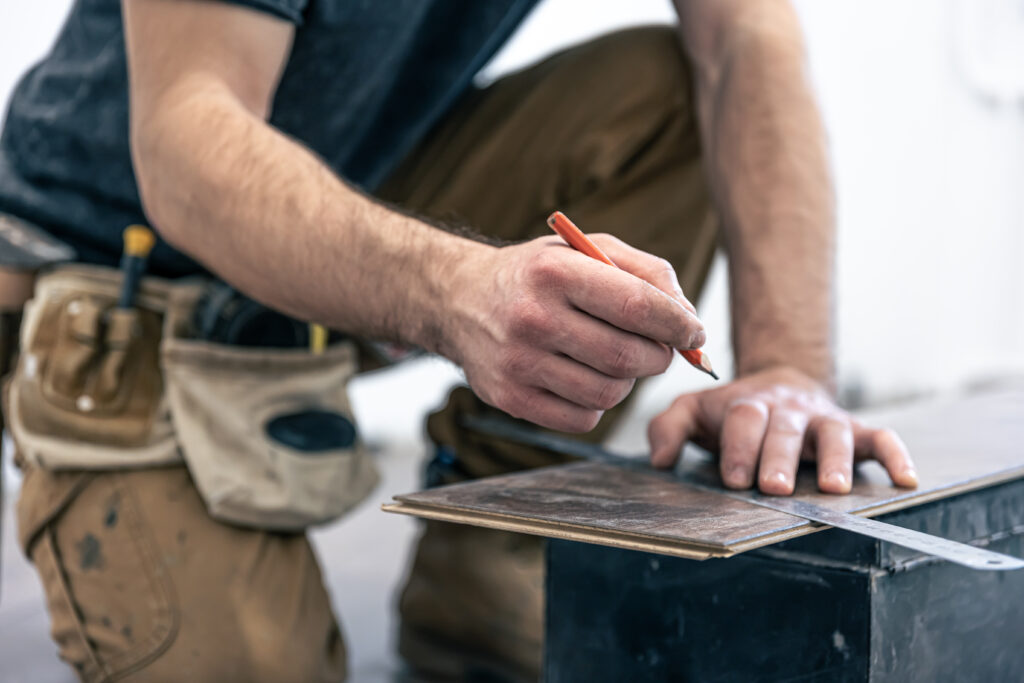
What is an Ausbildung for a Tiler?
In Germany, Ausbildung is a vocational training program combining practical work experience with theoretical education. For tilers, this typically lasts 3 years, during which trainees learn essential skills like:
- Laying floor and wall tiles
- Working with various materials such as ceramic, stone, and porcelain
- Understanding technical drawings and measurements
- Applying adhesives, grouts, and sealants
- Ensuring safety and quality standards
During the Ausbildung, trainees receive a monthly stipend that gradually increases each year, usually ranging from €850 to €1,200 per month, depending on location and employer.
Completing Ausbildung not only provides professional skills but also qualifies tilers to earn a higher income once they start working full-time.
Average Monthly Income for a Tiler in Germany After Ausbildung
After completing Ausbildung, the average income for a tiler varies based on experience, location, and type of employer. Here’s an approximate breakdown:
| Experience Level | Average Monthly Salary (€) | Notes |
|---|---|---|
| Entry-Level (0–2 years) | 2,000 – 2,500 | Newly qualified tilers, usually employed by small construction companies |
| Mid-Level (3–5 years) | 2,500 – 3,200 | Skilled tilers with more experience, often taking responsibility for projects |
| Experienced (5+ years) | 3,200 – 3,800 | Master tilers or specialized tilers, sometimes self-employed or leading a team |
These numbers represent gross income before taxes and social security contributions. Net income may vary depending on tax class, insurance, and other deductions.
Factors Affecting a Tiler’s Income
Several factors influence the salary of a tiler in Germany:
1. Location
Salaries differ significantly across Germany. Urban areas such as Munich, Frankfurt, or Hamburg tend to offer higher wages due to increased cost of living and higher demand. Rural regions may pay less, but they often provide additional perks like accommodation or transport allowances.
2. Company Size
Large construction companies generally offer higher salaries and benefits compared to small, family-owned businesses. Working for a company handling commercial projects can be more lucrative than residential projects.
3. Experience and Skills
Experienced tilers or those who specialize in high-end tiles, stone, or unique designs can negotiate higher pay. Certifications and advanced training also increase income potential.
4. Employment Type
Self-employed tilers can earn more, but they also bear the cost of materials, insurance, and business expenses. Full-time employees have a stable income but less flexibility.
5. Overtime and Weekend Work
Tilers often have the opportunity to earn more by working overtime, on weekends, or during peak construction periods.
Career Growth and Income Potential
After Ausbildung, tilers can advance their careers in multiple ways:
Becoming a Master Tiler (Fliesenmeister)
By completing additional Master Craftsman courses, tilers can open their own business, train apprentices, and take on larger projects. This significantly increases earning potential, often reaching €4,000–€5,000 per month or more.
Specialization in Luxury or Design Tiles
Tilers who specialize in luxury tiles, custom mosaics, or innovative materials often command higher fees due to their expertise.
Supervisory Roles
Experienced tilers can take on site supervisor or project manager roles, overseeing teams and larger projects, which usually comes with a salary increase of 10–20% over regular tiling work.
Benefits Beyond Salary
Working as a tiler in Germany provides benefits beyond just income:
- Health insurance and pension contributions
- Paid vacation and sick leave
- Training opportunities for career advancement
- Job stability due to high demand in construction industry
Additionally, Germany has a strong demand for skilled tradespeople, ensuring job security for qualified tilers.
Tips to Maximize Your Income as a Tiler
- Complete Ausbildung in a Reputable Company: Higher quality training can lead to better job offers.
- Gain Specialized Skills: Expertise in stone tiling or large-format tiles is in demand.
- Consider Urban Employment: Cities pay more, though living costs are higher.
- Pursue Master Certification: Owning a business or becoming a trainer significantly boosts income.
- Negotiate Contracts Wisely: Especially for self-employed tilers, contract negotiation is key.
- Network in Construction Circles: Referrals and repeat clients can lead to premium projects.
Conclusion
Becoming a tiler in Germany is not only a reliable career choice but also a profession with solid earning potential. After completing Ausbildung, tilers can expect average monthly salaries ranging from €2,000 to €3,200, with the possibility of higher earnings through experience, specialization, or self-employment. With dedication and skill development, a tiler can achieve a rewarding career, financial stability, and long-term growth in Germany’s construction industry.
Whether you aim to work for a large company, become a master tiler, or start your own tiling business, Germany offers ample opportunities to maximize both your income and professional satisfaction.
Average Income for a Tiler in Germany After Ausbildung
Introduction
Choosing a career as a tiler in Germany is a popular option for many aspiring skilled workers. The profession offers not only hands-on experience in construction but also stable career opportunities. After completing an Ausbildung (vocational training), tilers can expect a steady income, job security, and the possibility of advancement. In this blog, we will explore the average income for a tiler after Ausbildung, factors affecting earnings, career growth opportunities, and tips to maximize income in Germany.
What is an Ausbildung for a Tiler?
In Germany, Ausbildung is a vocational training program combining practical work experience with theoretical education. For tilers, this typically lasts 3 years, during which trainees learn essential skills like:
- Laying floor and wall tiles
- Working with various materials such as ceramic, stone, and porcelain
- Understanding technical drawings and measurements
- Applying adhesives, grouts, and sealants
- Ensuring safety and quality standards
During the Ausbildung, trainees receive a monthly stipend that gradually increases each year, usually ranging from €850 to €1,200 per month, depending on location and employer.
Completing Ausbildung not only provides professional skills but also qualifies tilers to earn a higher income once they start working full-time.
Average Monthly Income for a Tiler in Germany After Ausbildung
After completing Ausbildung, the average income for a tiler varies based on experience, location, and type of employer. Here’s an approximate breakdown:
| Experience Level | Average Monthly Salary (€) | Notes |
|---|---|---|
| Entry-Level (0–2 years) | 2,000 – 2,500 | Newly qualified tilers, usually employed by small construction companies |
| Mid-Level (3–5 years) | 2,500 – 3,200 | Skilled tilers with more experience, often taking responsibility for projects |
| Experienced (5+ years) | 3,200 – 3,800 | Master tilers or specialized tilers, sometimes self-employed or leading a team |
These numbers represent gross income before taxes and social security contributions. Net income may vary depending on tax class, insurance, and other deductions.
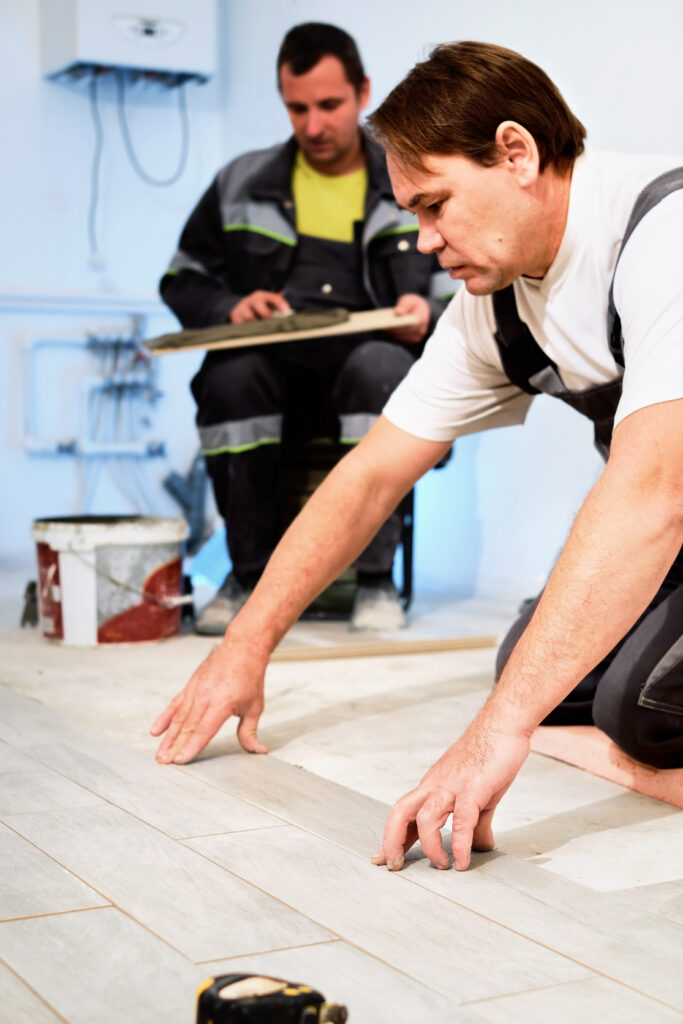
Factors Affecting a Tiler’s Income
Several factors influence the salary of a tiler in Germany:
1. Location
Salaries differ significantly across Germany. Urban areas such as Munich, Frankfurt, or Hamburg tend to offer higher wages due to increased cost of living and higher demand. Rural regions may pay less, but they often provide additional perks like accommodation or transport allowances.
2. Company Size
Large construction companies generally offer higher salaries and benefits compared to small, family-owned businesses. Working for a company handling commercial projects can be more lucrative than residential projects.
3. Experience and Skills
Experienced tilers or those who specialize in high-end tiles, stone, or unique designs can negotiate higher pay. Certifications and advanced training also increase income potential.
4. Employment Type
Self-employed tilers can earn more, but they also bear the cost of materials, insurance, and business expenses. Full-time employees have a stable income but less flexibility.
5. Overtime and Weekend Work
Tilers often have the opportunity to earn more by working overtime, on weekends, or during peak construction periods.
Career Growth and Income Potential
After Ausbildung, tilers can advance their careers in multiple ways:
Becoming a Master Tiler (Fliesenmeister)
By completing additional Master Craftsman courses, tilers can open their own business, train apprentices, and take on larger projects. This significantly increases earning potential, often reaching €4,000–€5,000 per month or more.
Specialization in Luxury or Design Tiles
Tilers who specialize in luxury tiles, custom mosaics, or innovative materials often command higher fees due to their expertise.
Supervisory Roles
Experienced tilers can take on site supervisor or project manager roles, overseeing teams and larger projects, which usually comes with a salary increase of 10–20% over regular tiling work.
Benefits Beyond Salary
Working as a tiler in Germany provides benefits beyond just income:
- Health insurance and pension contributions
- Paid vacation and sick leave
- Training opportunities for career advancement
- Job stability due to high demand in construction industry
Additionally, Germany has a strong demand for skilled tradespeople, ensuring job security for qualified tilers.
Tips to Maximize Your Income as a Tiler
- Complete Ausbildung in a Reputable Company: Higher quality training can lead to better job offers.
- Gain Specialized Skills: Expertise in stone tiling or large-format tiles is in demand.
- Consider Urban Employment: Cities pay more, though living costs are higher.
- Pursue Master Certification: Owning a business or becoming a trainer significantly boosts income.
- Negotiate Contracts Wisely: Especially for self-employed tilers, contract negotiation is key.
- Network in Construction Circles: Referrals and repeat clients can lead to premium projects.
Conclusion
Becoming a tiler in Germany is not only a reliable career choice but also a profession with solid earning potential. After completing Ausbildung, tilers can expect average monthly salaries ranging from €2,000 to €3,200, with the possibility of higher earnings through experience, specialization, or self-employment. With dedication and skill development, a tiler can achieve a rewarding career, financial stability, and long-term growth in Germany’s construction industry.
Whether you aim to work for a large company, become a master tiler, or start your own tiling business, Germany offers ample opportunities to maximize both your income and professional satisfaction.
For official details about vocational training regulations and wages, you can visit the Federal Employment Agency’s Ausbildung Portal or the Make It In Germany website.