Future Career Options After Butcher Ausbildung in Germany
Future career options after Butcher Ausbildung
Choosing a skilled vocational training program (Ausbildung) in Germany opens doors to multiple stable and well-paid career paths. Among these programs, Butcher Ausbildung (Fleischer/in Ausbildung) is a highly respected and strongly demanded profession across the German food processing, meat production, and hospitality industry. Germany’s meat sector is one of the largest in Europe, providing thousands of job opportunities every year for skilled butchers.
Many international applicants who wish to build a long-term career in Germany often ask one crucial question:
“What are the future career options after completing a Butcher Ausbildung in Germany?”
In this comprehensive guide, you will learn:
- Career pathways after completing Butcher Ausbildung
- Salary growth opportunities
- Promotion levels and advanced specializations
- Options for self-employment
- How to build a long-term, well-paid career in Germany
- Industry demand and work environment
- Permanent residency (PR) chances through skilled work
Let’s explore all career possibilities one by one in detail.
1. Overview: What is Butcher Ausbildung in Germany?
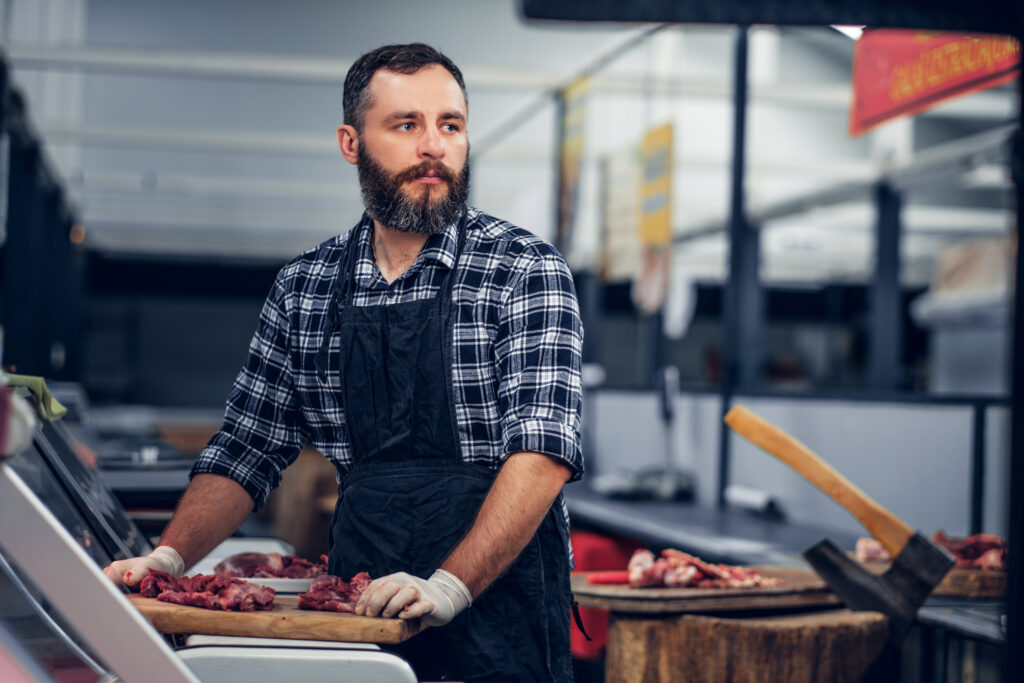
Butcher Ausbildung (Fleischer/in) is a 3-year dual vocational training program in Germany. During this period, trainees work in butcher shops, meat processing companies, supermarkets, and industrial plants while attending vocational school.
Key Skills Learned During Training
- Meat cutting, processing, and preparation
- Knowledge of hygiene, food safety, and German quality standards
- Customer service in butcher shops
- Sausage and meat product preparation
- Packaging and labeling
- Operating modern meat processing machinery
- Quality control and storage management
This broad skill set helps graduates explore multiple career paths beyond the traditional butcher role.
2. Why Choose a Career in Butchery in Germany?
Before understanding future opportunities, it’s important to know why choosing this profession is beneficial:
✔ High Demand in Germany
Germany faces a shortage of skilled workers in the food and processing industry. Butchers (Fleischer) are on the official shortage occupation list, making it easier for international workers to get jobs and residency.
✔ Attractive Salary Growth
The average salary increases significantly with experience and specialization.
✔ Job Stability
Food production is an essential industry. Butchers always stay in demand.
✔ Opportunities for Advancement
After Ausbildung, workers can grow toward supervisory, technical, and managerial positions.
✔ Self-employment Options
After gaining sufficient experience, you can even open your own butcher shop, catering service, or meat production business.
3. Career Options After Butcher Ausbildung in Germany
Below are the most promising and high-paying career opportunities available after completing Butcher Ausbildung:
4. Career Option 1: Professional Butcher (Fleischer/in)
This is the most direct job path. You can work in:
- Butcher shops (Metzgerei)
- Supermarkets with in-house meat counters
- Meat processing factories
- Hotels and restaurants
- Food production companies
- Catering companies
Roles and Responsibilities
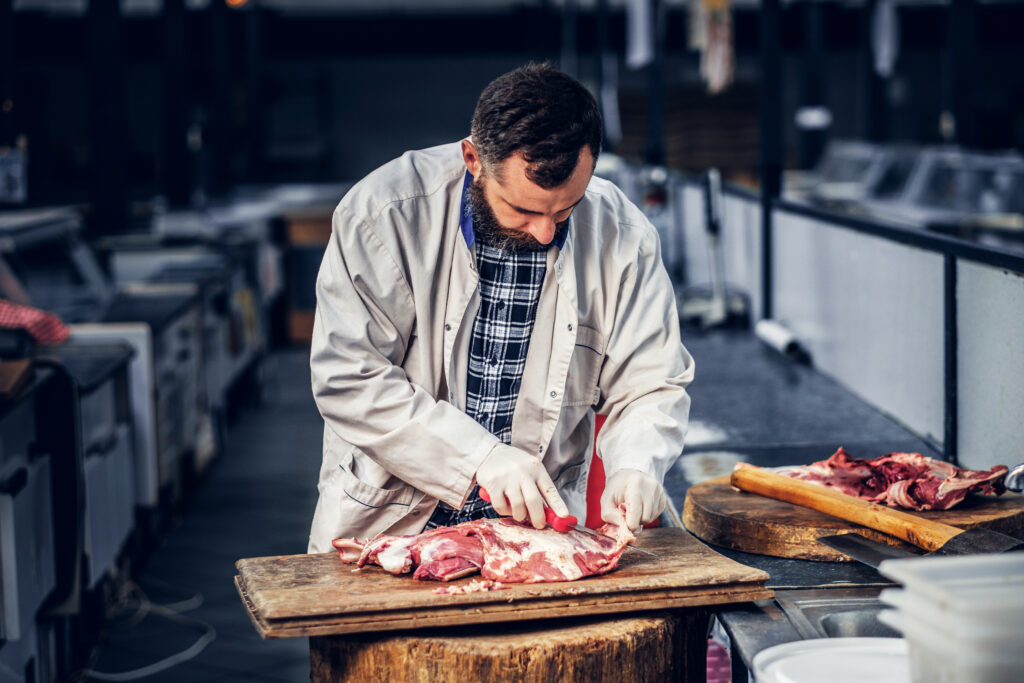
- Cutting, portioning, and preparing meat
- Customer service and advising on products
- Preparing special dishes and sausages
- Maintaining hygiene and safety standards
- Packaging and storage management
Average Salary
- Entry-level: €2,300 – €2,800 per month
- With experience: €3,000 – €3,500 per month
5. Career Option 2: Meat Processing Specialist (Fachkraft für Fleischtechnik)
Many graduates choose to specialize in industrial meat technology. This role involves working in large factories and using advanced technology.
Key Responsibilities
- Operating automated production machinery
- Ensuring meat quality
- Controlling production lines
- Managing hygiene protocols
- Supervising junior workers
Salary Range
- €2,800 – €3,800 per month (higher in big companies)
This role offers strong technical growth and better salaries.
6. Career Option 3: Sales Specialist for Meat Products
If you are good at communication and enjoy dealing with customers, you can work as a meat sales specialist.
Job Settings
- Supermarkets
- Gourmet stores
- Specialty food shops
- Food wholesalers
Roles
- Advising customers
- Creating meat display counters
- Recommending products
- Handling orders and inventory
Salary
- €2,500 – €3,200 per month
Plus, many companies offer commissions.
7. Career Option 4: Master Butcher (Fleischermeister)
After gaining experience, you can upgrade your qualification by becoming a Meister.
This is one of the most powerful career steps.
Benefits of Master Certification
- Higher salary
- Leadership positions
- Ability to train apprentices
- Right to open your own business
Salary of a Master Butcher
- €3,500 – €4,800 per month
This career path also leads to supervisory roles.
8. Career Option 5: Factory Supervisor or Production Manager
Butcher Ausbildung also prepares you for production management roles in food industries.
Possible Roles
- Production supervisor
- Quality control manager
- Hygiene manager
- Team leader
- Shift leader
Responsibilities
- Supervising employees
- Checking meat quality
- Coordinating production schedules
- Ensuring safety compliance
Salary
- €3,500 – €5,000+ per month
(Varies by company size)
9. Career Option 6: Cold Storage and Logistics Specialist
Germany has a large cold-chain logistics system. Butcher graduates fit well into this sector.
Duties
- Monitoring temperature systems
- Managing inventory
- Coordinating storage and shipment
- Ensuring product safety
Salary
- €2,800 – €3,600 per month
10. Career Option 7: Quality Assurance Officer (QA-Fleischkontrolleur)
Germany has strict food laws. This increases the demand for QA specialists.
Work Areas
- Meat factories
- Food laboratories
- Government inspection departments
Responsibilities
- Inspection of meat
- Checking hygiene and safety
- Ensuring compliance with German standards
Salary
- €3,200 – €4,500 per month
11. Career Option 8: Sausage Maker (Wursthersteller)
Germany is famous for its sausages. This specialization gives you access to niche and high-demand positions.
Roles
- Developing new sausage products
- Working with gourmet brands
- Managing production lines
Salary
- €2,800 – €3,700 per month
12. Career Option 9: Food Technician (Lebensmitteltechniker)
With further qualification, you can enter the larger food industry.
Responsibilities
- Product development
- Quality control
- Process optimization
- R&D in food technology
Salary
- €3,000 – €4,800 per month
13. Career Option 10: Self-Employment Opportunities
Germany supports entrepreneurship, and butcher professionals have multiple business opportunities.
You Can Start:
- Your own butcher shop
- Meat delivery service
- Catering business
- Sausage production brand
- Meat packaging business
- Food truck specializing in meat dishes
Income Potential
Self-employed income varies but can range between:
€5,000 – €15,000 per month, depending on business scale.
14. Career Option 11: Working in Hotels & Hospitality
High-end restaurants and hotels also hire trained butchers.
Duties
- Preparing premium cuts
- Supporting chefs
- Maintaining consistency in meat preparation
Salary
- €2,700 – €3,800 per month
15. Career Option 12: International Career Opportunities
With German experience, you can also move to:
- Austria
- Switzerland
- Denmark
- Norway
- Canada
- Australia
These countries highly value German vocational training.
Salary in Switzerland: €5,000 – €6,500 per month.
16. Salary Growth After Experience Level
Year-wise Salary Overview
- 0–1 years: €2,300 – €2,800
- 2–4 years: €2,800 – €3,500
- 5+ years: €3,500 – €4,500
- Master Butcher: €4,800+
Experience significantly boosts income.
17. Long-Term Career Growth and PR Chances
Butcher Ausbildung is a skilled profession, so:
- You can apply for EU Blue Card alternatives
- You can get Permanent Residency (PR) after working for a few years
- Job security is extremely high
Germany encourages skilled workers in this field to stay long-term.
18. Challenges in This Career
Every profession has challenges:
✔ Physical work
Standing for long hours and handling heavy items.
✔ Strict hygiene rules
Need to follow German food safety standards.
✔ Early morning shifts
Factories and butcher shops often start early.
However, with proper safety equipment and training, these challenges become easy to manage.
19. Why Butcher Ausbildung is Great for International Students
- No high qualifications required
- Good salary during training
- High job demand
- Easy to get long-term visas
- Opportunities for advancement
- Pathway to permanent residency
20. Conclusion
A career after Butcher Ausbildung in Germany is filled with opportunities for growth, stability, and long-term success. Whether you want to work in traditional butcher shops, modern food factories, hotels, logistics, or even start your own business, the German meat industry offers endless possibilities.
With growing demand, attractive salaries, and strong job security, Butcher Ausbildung is one of the best vocational training choices for anyone planning to build a future in Germany.
Choosing a skilled vocational training program (Ausbildung) in Germany opens doors to multiple stable and well-paid career paths. Among these programs, Butcher Ausbildung (Fleischer/in Ausbildung) is a highly respected and strongly demanded profession across the German food processing, meat production, and hospitality industry. Germany’s meat sector is one of the largest in Europe, providing thousands of job opportunities every year for skilled butchers.
Many international applicants who wish to build a long-term career in Germany often ask one crucial question:
“What are the future career options after completing a Butcher Ausbildung in Germany?”
In this comprehensive guide, you will learn:
- Career pathways after completing Butcher Ausbildung
- Salary growth opportunities
- Promotion levels and advanced specializations
- Options for self-employment
- How to build a long-term, well-paid career in Germany
- Industry demand and work environment
- Permanent residency (PR) chances through skilled work
Let’s explore all career possibilities one by one in detail.
1. Overview: What is Butcher Ausbildung in Germany?
Butcher Ausbildung (Fleischer/in) is a 3-year dual vocational training program in Germany. During this period, trainees work in butcher shops, meat processing companies, supermarkets, and industrial plants while attending vocational school.
Key Skills Learned During Training
- Meat cutting, processing, and preparation
- Knowledge of hygiene, food safety, and German quality standards
- Customer service in butcher shops
- Sausage and meat product preparation
- Packaging and labeling
- Operating modern meat processing machinery
- Quality control and storage management
This broad skill set helps graduates explore multiple career paths beyond the traditional butcher role.
2. Why Choose a Career in Butchery in Germany?
Before understanding future opportunities, it’s important to know why choosing this profession is beneficial:
✔ High Demand in Germany
Germany faces a shortage of skilled workers in the food and processing industry. Butchers (Fleischer) are on the official shortage occupation list, making it easier for international workers to get jobs and residency.
✔ Attractive Salary Growth
The average salary increases significantly with experience and specialization.
✔ Job Stability
Food production is an essential industry. Butchers always stay in demand.
✔ Opportunities for Advancement
After Ausbildung, workers can grow toward supervisory, technical, and managerial positions.
✔ Self-employment Options
After gaining sufficient experience, you can even open your own butcher shop, catering service, or meat production business.
3. Career Options After Butcher Ausbildung in Germany
Below are the most promising and high-paying career opportunities available after completing Butcher Ausbildung:
4. Career Option 1: Professional Butcher (Fleischer/in)
This is the most direct job path. You can work in:
- Butcher shops (Metzgerei)
- Supermarkets with in-house meat counters
- Meat processing factories
- Hotels and restaurants
- Food production companies
- Catering companies
Roles and Responsibilities
- Cutting, portioning, and preparing meat
- Customer service and advising on products
- Preparing special dishes and sausages
- Maintaining hygiene and safety standards
- Packaging and storage management
Average Salary
- Entry-level: €2,300 – €2,800 per month
- With experience: €3,000 – €3,500 per month
5. Career Option 2: Meat Processing Specialist (Fachkraft für Fleischtechnik)
Many graduates choose to specialize in industrial meat technology. This role involves working in large factories and using advanced technology.
Key Responsibilities
- Operating automated production machinery
- Ensuring meat quality
- Controlling production lines
- Managing hygiene protocols
- Supervising junior workers
Salary Range
- €2,800 – €3,800 per month (higher in big companies)
This role offers strong technical growth and better salaries.
6. Career Option 3: Sales Specialist for Meat Products
If you are good at communication and enjoy dealing with customers, you can work as a meat sales specialist.
Job Settings
- Supermarkets
- Gourmet stores
- Specialty food shops
- Food wholesalers
Roles
- Advising customers
- Creating meat display counters
- Recommending products
- Handling orders and inventory
Salary
- €2,500 – €3,200 per month
Plus, many companies offer commissions.
7. Career Option 4: Master Butcher (Fleischermeister)
After gaining experience, you can upgrade your qualification by becoming a Meister.
This is one of the most powerful career steps.
Benefits of Master Certification
- Higher salary
- Leadership positions
- Ability to train apprentices
- Right to open your own business
Salary of a Master Butcher
- €3,500 – €4,800 per month
This career path also leads to supervisory roles.
8. Career Option 5: Factory Supervisor or Production Manager
Butcher Ausbildung also prepares you for production management roles in food industries.
Possible Roles
- Production supervisor
- Quality control manager
- Hygiene manager
- Team leader
- Shift leader
Responsibilities
- Supervising employees
- Checking meat quality
- Coordinating production schedules
- Ensuring safety compliance
Salary
- €3,500 – €5,000+ per month
(Varies by company size)
9. Career Option 6: Cold Storage and Logistics Specialist
Germany has a large cold-chain logistics system. Butcher graduates fit well into this sector.
Duties
- Monitoring temperature systems
- Managing inventory
- Coordinating storage and shipment
- Ensuring product safety
Salary
- €2,800 – €3,600 per month
10. Career Option 7: Quality Assurance Officer (QA-Fleischkontrolleur)
Germany has strict food laws. This increases the demand for QA specialists.
Work Areas
- Meat factories
- Food laboratories
- Government inspection departments
Responsibilities
- Inspection of meat
- Checking hygiene and safety
- Ensuring compliance with German standards
Salary
- €3,200 – €4,500 per month
11. Career Option 8: Sausage Maker (Wursthersteller)
Germany is famous for its sausages. This specialization gives you access to niche and high-demand positions.
Roles
- Developing new sausage products
- Working with gourmet brands
- Managing production lines
Salary
- €2,800 – €3,700 per month
12. Career Option 9: Food Technician (Lebensmitteltechniker)
With further qualification, you can enter the larger food industry.
Responsibilities
- Product development
- Quality control
- Process optimization
- R&D in food technology
Salary
- €3,000 – €4,800 per month
13. Career Option 10: Self-Employment Opportunities
Germany supports entrepreneurship, and butcher professionals have multiple business opportunities.
You Can Start:
- Your own butcher shop
- Meat delivery service
- Catering business
- Sausage production brand
- Meat packaging business
- Food truck specializing in meat dishes
Income Potential
Self-employed income varies but can range between:
€5,000 – €15,000 per month, depending on business scale.
14. Career Option 11: Working in Hotels & Hospitality
High-end restaurants and hotels also hire trained butchers.
Duties
- Preparing premium cuts
- Supporting chefs
- Maintaining consistency in meat preparation
Salary
- €2,700 – €3,800 per month
15. Career Option 12: International Career Opportunities
With German experience, you can also move to:
- Austria
- Switzerland
- Denmark
- Norway
- Canada
- Australia
These countries highly value German vocational training.
Salary in Switzerland: €5,000 – €6,500 per month.
16. Salary Growth After Experience Level
Year-wise Salary Overview
- 0–1 years: €2,300 – €2,800
- 2–4 years: €2,800 – €3,500
- 5+ years: €3,500 – €4,500
- Master Butcher: €4,800+
Experience significantly boosts income.
17. Long-Term Career Growth and PR Chances
Butcher Ausbildung is a skilled profession, so:
- You can apply for EU Blue Card alternatives
- You can get Permanent Residency (PR) after working for a few years
- Job security is extremely high
Germany encourages skilled workers in this field to stay long-term.
18. Challenges in This Career
Every profession has challenges:
✔ Physical work
Standing for long hours and handling heavy items.
✔ Strict hygiene rules
Need to follow German food safety standards.
✔ Early morning shifts
Factories and butcher shops often start early.
However, with proper safety equipment and training, these challenges become easy to manage.
19. Why Butcher Ausbildung is Great for International Students
- No high qualifications required
- Good salary during training
- High job demand
- Easy to get long-term visas
- Opportunities for advancement
- Pathway to permanent residency
20. Conclusion
A career after Butcher Ausbildung in Germany is filled with opportunities for growth, stability, and long-term success. Whether you want to work in traditional butcher shops, modern food factories, hotels, logistics, or even start your own business, the German meat industry offers endless possibilities.
With growing demand, attractive salaries, and strong job security, Butcher Ausbildung is one of the best vocational training choices for anyone planning to build a future in Germany.
For official details about vocational training regulations and wages, you can visit the Federal Employment Agency’s Ausbildung Portal or the Make It In Germany website.