
What Hygiene and Food Safety Standards Are Taught in the Butcher Ausbildung Program in Germany?
Hygiene and food safety standards
Working as a butcher in Germany is a respected profession, and the Ausbildung program for butchers (Fachverkäufer/in im Lebensmittelhandwerk – Fleischerei or Fleischer/in) places a strong emphasis on hygiene, food safety, and quality control. Germany has some of the strictest food safety laws in the world, ensuring that every professional involved in meat processing follows the highest standards.
In this comprehensive blog, we will explore what hygiene and food safety standards are taught during the Butcher Ausbildung, why they are important, and how they prepare trainees to work confidently and responsibly in Germany’s food industry.

1. Introduction: Why Hygiene and Food Safety Matter in Butchery
Meat is one of the most sensitive food products—prone to contamination, spoilage, and bacterial growth if not handled carefully. This is why hygiene and food safety are central components of the Butcher Ausbildung curriculum. From the first day, trainees learn how to maintain cleanliness, handle meat properly, and comply with German and EU food safety laws.
These standards not only protect consumers but also build trust, ensure product quality, and maintain the reputation of the meat industry. The Ausbildung ensures that every trainee becomes skilled in preventing contamination, recognizing risks, and applying best practices in real-life working environments.
2. Understanding the Legal Framework of Food Safety in Germany
Before diving into the hygiene techniques, trainees are taught about the legal standards they must follow. Understanding the law is extremely important because butchers work under strict regulations enforced by local health authorities.
Key food safety laws covered in the Ausbildung:
• LFGB (Lebensmittel- und Futtermittelgesetzbuch)
This is the German Food and Feed Code, which outlines all basic rules regarding food safety, hygiene, labeling, and quality control.
• HACCP (Hazard Analysis and Critical Control Points)
Trainees learn how to identify hazards and implement a systematic prevention process.
• EU Hygiene Package
These are EU-wide regulations for hygiene in food processing facilities.
• Tierische Lebensmittel-Hygieneverordnung (Hygiene Regulation for Animal Products)
This law focuses specifically on handling meat and animal-based products.
Understanding these laws ensures trainees always work legally and professionally, reducing risks for customers and businesses.
3. Personal Hygiene Standards Taught in the Butcher Ausbildung
Personal hygiene is the foundation of food safety. Trainees are taught strict rules that must be followed daily to prevent contamination.
3.1 Daily Cleanliness Rules
- Wearing clean and sanitized uniforms
- Keeping nails short and clean
- Using hairnets, beard nets, and gloves
- Regular showering before work
- Avoiding strong perfume or deodorants
3.2 Mandatory Handwashing Techniques
Trainees learn when and how to wash hands:
Hands must be washed:
- Before starting work
- After touching raw meat
- After using the restroom
- After sneezing or touching face
- After handling trash
- Before handling cooked or processed products
Handwashing method includes:
- Using warm water
- Applying antibacterial soap
- Scrubbing for at least 20 seconds
- Drying with disposable towels
- Applying disinfectant lotion
3.3 Restrictions to Maintain Hygiene
- No jewelry
- No watches
- No artificial nails
- No wounds uncovered
- No eating or drinking in working areas
These rules reduce contamination risks and help ensure safe food handling.
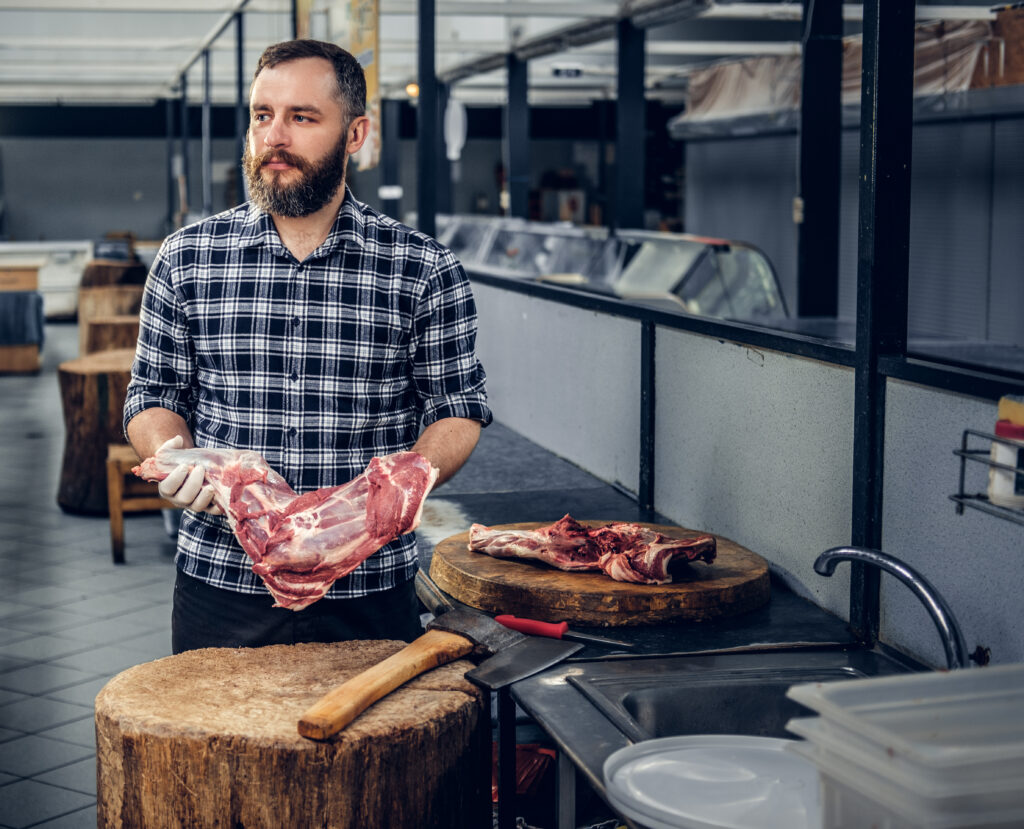
4. Cleanliness of Tools, Machines, and Workspaces
Butchers use knives, cutting boards, saws, grinders, and various tools daily. During the Ausbildung, trainees learn to clean and maintain each item carefully.
4.1 Proper Cleaning Methods
Trainees follow a step-by-step cleaning process:
- Pre-cleaning: Removing visible dirt and meat residue
- Main cleaning: Washing with hot water and food-safe detergent
- Rinsing: Removing chemicals
- Disinfection: Killing harmful bacteria
- Drying and storing: Preventing moisture-based bacterial growth
4.2 Equipment Hygiene
Machines like grinders and slicers must be dismantled and cleaned properly. Trainees are taught:
- How to safely disassemble machines
- Which detergents are appropriate
- How to check for hidden residues
- How to reassemble machines correctly
4.3 Working Area Rules
Workspaces must remain organized, clean, and sanitized at all times. Trainees learn:
- Surface sanitization every 30 minutes
- Cleaning after each processing task
- Avoiding cross-contamination by separating raw and cooked food areas
- Using color-coded boards and tools
A clean workspace increases efficiency and reduces contamination risks.
5. Temperature Control and Storage Training
Temperature is one of the biggest factors in food safety. Proper storage ensures meat remains fresh and safe for consumption.
5.1 Temperature Zones
Trainees learn the following temperature rules:
- Frozen meat: –18°C and below
- Fresh raw meat: 0°C to 4°C
- Cooked and processed meat: Below 4°C
- Danger zone: 5°C to 60°C, where bacteria grow quickly
5.2 Use of Thermometers
They are trained to use:
- Infrared surface thermometers
- Probe thermometers
- Storage temperature logs
5.3 Storage Rules
To avoid contamination:
- Raw and cooked meat must be stored separately
- Meat must be covered properly
- FIFO (First In First Out) method must be used
- Stock rotation records must be maintained
Trainees must monitor temperatures daily and document any changes as part of HACCP procedures.
6. Cross-Contamination Prevention Techniques
Cross-contamination is a major risk in the meat industry. Trainees learn several preventive measures.
6.1 Physical Separation
- Separate cutting boards for raw and cooked products
- Dedicated knives for different types of meat
- Different storage racks
6.2 Workflow Design
Work is arranged in one direction:
Raw area → Processing area → Cooked area → Packaging area
This minimizes chances of contamination.
6.3 Packaging Hygiene
- Using sanitized packaging materials
- Vacuum sealing techniques
- Correct labeling with date and batch number
7. Microbiology Awareness and Foodborne Illness Prevention
Trainees learn about harmful microorganisms that can be present in meat. This is essential for identifying risks early.
Common bacteria taught in Ausbildung:
- Salmonella
- E. coli
- Listeria
- Campylobacter
- Staphylococcus aureus
Trainees learn:
- How bacteria grow
- How to prevent contamination
- Effects of improper handling
- How cleaning and cooking reduce risks
They also study the symptoms of food poisoning and importance of immediate reporting if contamination occurs.
8. Safe Meat Handling and Processing Techniques
Butchers handle raw meat daily, so safe practices are essential.
8.1 Slaughter Hygiene (for Fleischer specialization)
Trainees learn:
- Stunning and slaughter regulations
- Avoiding contamination during evisceration
- Inspecting meat for abnormalities
8.2 Cutting and Deboning
They are trained to:
- Use knives safely and hygienically
- Avoid wastage
- Keep cutting surfaces clean
- Maintain consistent cuts
8.3 Sausage and Meat Product Processing
- Clean mixing equipment
- Maintain correct ingredient ratios
- Monitor temperature during processing
- Follow recipes designed for safe consumption
9. Waste Management and Environmental Hygiene
Proper waste disposal is necessary to keep working areas sanitary.
Waste management practices include:
- Immediate disposal of meat scraps
- Using closed waste bins
- Keeping waste separate from clean areas
- Regular disposal by licensed waste companies
Trainees also learn about environmental sustainability and how to minimize waste.
10. Pest Control Training
Pest control is vital in any food facility. Trainees learn:
- How to identify signs of pests
- Importance of pest-proof storage
- Sealing cracks and entry points
- Using approved traps and repellents
- Reporting pest infestation immediately
Effective pest control ensures food remains safe.
11. Customer Safety and Product Presentation Standards
Hygiene does not end inside the butcher shop. Customer-facing areas must also be clean and presentable.
Customer area hygiene includes:
- Clean display counters
- Proper lighting
- Hygienic serving techniques
- Using gloves while handling meat
- Avoiding unnecessary contact with products
Trainees learn to maintain both safety and professionalism.
12. Documentation, Record Keeping, and Traceability
Traceability is a major part of German food regulations. Trainees learn:
Records they must maintain:
- Temperature logs
- Cleaning schedules
- Raw material sources
- Delivery and expiry records
- Cross-contamination checks
- Pest control inspections
In case of food safety concerns, these records help identify problems quickly.
13. Emergency Hygiene Procedures
Trainees must know how to respond if contamination occurs.
Emergency actions include:
- Isolating contaminated products
- Cleaning affected areas
- Informing supervisors
- Documenting the issue
- Disposing of products safely
This prevents further risks and protects customers.
14. How the Ausbildung Ensures Practical Skills
The Butcher Ausbildung blends theory with hands-on training. Trainees work in real butcher shops, meat departments, and processing units where they apply hygiene rules daily.
Practical learning includes:
- Cleaning tools after each use
- Monitoring temperatures
- Handling customers safely
- Preparing hygienic meat displays
- Processing meat under supervision
By the end of the program, trainees become confident in handling all hygiene responsibilities professionally.
15. Conclusion
The Butcher Ausbildung program in Germany provides trainees with extensive knowledge and practical training in hygiene and food safety standards. From personal cleanliness and equipment sanitization to temperature control, cross-contamination prevention, and legal compliance, every aspect is covered in detail. These standards ensure that trainees become skilled professionals capable of delivering high-quality, safe meat products to consumers.
Germany’s strict food safety laws, combined with the comprehensive Ausbildung curriculum, prepare future butchers to work with responsibility, precision, and care. By following the rules learned during training, butchers not only protect public health but also contribute to maintaining the high standards of Germany’s food industry.
Meat is one of the most sensitive food products—prone to contamination, spoilage, and bacterial growth if not handled carefully. This is why hygiene and food safety are central components of the Butcher Ausbildung curriculum. From the first day, trainees learn how to maintain cleanliness, handle meat properly, and comply with German and EU food safety laws.
These standards not only protect consumers but also build trust, ensure product quality, and maintain the reputation of the meat industry. The Ausbildung ensures that every trainee becomes skilled in preventing contamination, recognizing risks, and applying best practices in real-life working environments.
2. Understanding the Legal Framework of Food Safety in Germany
Before diving into the hygiene techniques, trainees are taught about the legal standards they must follow. Understanding the law is extremely important because butchers work under strict regulations enforced by local health authorities.
Key food safety laws covered in the Ausbildung:
• LFGB (Lebensmittel- und Futtermittelgesetzbuch)
This is the German Food and Feed Code, which outlines all basic rules regarding food safety, hygiene, labeling, and quality control.
• HACCP (Hazard Analysis and Critical Control Points)
Trainees learn how to identify hazards and implement a systematic prevention process.
• EU Hygiene Package
These are EU-wide regulations for hygiene in food processing facilities.
• Tierische Lebensmittel-Hygieneverordnung (Hygiene Regulation for Animal Products)
This law focuses specifically on handling meat and animal-based products.
Understanding these laws ensures trainees always work legally and professionally, reducing risks for customers and businesses.
3. Personal Hygiene Standards Taught in the Butcher Ausbildung
Personal hygiene is the foundation of food safety. Trainees are taught strict rules that must be followed daily to prevent contamination.
3.1 Daily Cleanliness Rules
- Wearing clean and sanitized uniforms
- Keeping nails short and clean
- Using hairnets, beard nets, and gloves
- Regular showering before work
- Avoiding strong perfume or deodorants
3.2 Mandatory Handwashing Techniques
Trainees learn when and how to wash hands:
Hands must be washed:
- Before starting work
- After touching raw meat
- After using the restroom
- After sneezing or touching face
- After handling trash
- Before handling cooked or processed products
Handwashing method includes:
- Using warm water
- Applying antibacterial soap
- Scrubbing for at least 20 seconds
- Drying with disposable towels
- Applying disinfectant lotion
3.3 Restrictions to Maintain Hygiene
- No jewelry
- No watches
- No artificial nails
- No wounds uncovered
- No eating or drinking in working areas
These rules reduce contamination risks and help ensure safe food handling.
4. Cleanliness of Tools, Machines, and Workspaces
Butchers use knives, cutting boards, saws, grinders, and various tools daily. During the Ausbildung, trainees learn to clean and maintain each item carefully.
4.1 Proper Cleaning Methods
Trainees follow a step-by-step cleaning process:
- Pre-cleaning: Removing visible dirt and meat residue
- Main cleaning: Washing with hot water and food-safe detergent
- Rinsing: Removing chemicals
- Disinfection: Killing harmful bacteria
- Drying and storing: Preventing moisture-based bacterial growth
4.2 Equipment Hygiene
Machines like grinders and slicers must be dismantled and cleaned properly. Trainees are taught:
- How to safely disassemble machines
- Which detergents are appropriate
- How to check for hidden residues
- How to reassemble machines correctly
4.3 Working Area Rules
Workspaces must remain organized, clean, and sanitized at all times. Trainees learn:
- Surface sanitization every 30 minutes
- Cleaning after each processing task
- Avoiding cross-contamination by separating raw and cooked food areas
- Using color-coded boards and tools
A clean workspace increases efficiency and reduces contamination risks.
5. Temperature Control and Storage Training
Temperature is one of the biggest factors in food safety. Proper storage ensures meat remains fresh and safe for consumption.
5.1 Temperature Zones
Trainees learn the following temperature rules:
- Frozen meat: –18°C and below
- Fresh raw meat: 0°C to 4°C
- Cooked and processed meat: Below 4°C
- Danger zone: 5°C to 60°C, where bacteria grow quickly
5.2 Use of Thermometers
They are trained to use:
- Infrared surface thermometers
- Probe thermometers
- Storage temperature logs
5.3 Storage Rules
To avoid contamination:
- Raw and cooked meat must be stored separately
- Meat must be covered properly
- FIFO (First In First Out) method must be used
- Stock rotation records must be maintained
Trainees must monitor temperatures daily and document any changes as part of HACCP procedures.
6. Cross-Contamination Prevention Techniques
Cross-contamination is a major risk in the meat industry. Trainees learn several preventive measures.
6.1 Physical Separation
- Separate cutting boards for raw and cooked products
- Dedicated knives for different types of meat
- Different storage racks
6.2 Workflow Design
Work is arranged in one direction:
Raw area → Processing area → Cooked area → Packaging area
This minimizes chances of contamination.
6.3 Packaging Hygiene
- Using sanitized packaging materials
- Vacuum sealing techniques
- Correct labeling with date and batch number
7. Microbiology Awareness and Foodborne Illness Prevention
Trainees learn about harmful microorganisms that can be present in meat. This is essential for identifying risks early.
Common bacteria taught in Ausbildung:
- Salmonella
- E. coli
- Listeria
- Campylobacter
- Staphylococcus aureus
Trainees learn:
- How bacteria grow
- How to prevent contamination
- Effects of improper handling
- How cleaning and cooking reduce risks
They also study the symptoms of food poisoning and importance of immediate reporting if contamination occurs.
8. Safe Meat Handling and Processing Techniques
Butchers handle raw meat daily, so safe practices are essential.
8.1 Slaughter Hygiene (for Fleischer specialization)
Trainees learn:
- Stunning and slaughter regulations
- Avoiding contamination during evisceration
- Inspecting meat for abnormalities
8.2 Cutting and Deboning
They are trained to:
- Use knives safely and hygienically
- Avoid wastage
- Keep cutting surfaces clean
- Maintain consistent cuts
8.3 Sausage and Meat Product Processing
- Clean mixing equipment
- Maintain correct ingredient ratios
- Monitor temperature during processing
- Follow recipes designed for safe consumption
9. Waste Management and Environmental Hygiene
Proper waste disposal is necessary to keep working areas sanitary.
Waste management practices include:
- Immediate disposal of meat scraps
- Using closed waste bins
- Keeping waste separate from clean areas
- Regular disposal by licensed waste companies
Trainees also learn about environmental sustainability and how to minimize waste.
10. Pest Control Training
Pest control is vital in any food facility. Trainees learn:
- How to identify signs of pests
- Importance of pest-proof storage
- Sealing cracks and entry points
- Using approved traps and repellents
- Reporting pest infestation immediately
Effective pest control ensures food remains safe.
11. Customer Safety and Product Presentation Standards
Hygiene does not end inside the butcher shop. Customer-facing areas must also be clean and presentable.
Customer area hygiene includes:
- Clean display counters
- Proper lighting
- Hygienic serving techniques
- Using gloves while handling meat
- Avoiding unnecessary contact with products
Trainees learn to maintain both safety and professionalism.
12. Documentation, Record Keeping, and Traceability
Traceability is a major part of German food regulations. Trainees learn:
Records they must maintain:
- Temperature logs
- Cleaning schedules
- Raw material sources
- Delivery and expiry records
- Cross-contamination checks
- Pest control inspections
In case of food safety concerns, these records help identify problems quickly.
13. Emergency Hygiene Procedures
Trainees must know how to respond if contamination occurs.
Emergency actions include:
- Isolating contaminated products
- Cleaning affected areas
- Informing supervisors
- Documenting the issue
- Disposing of products safely
This prevents further risks and protects customers.
14. How the Ausbildung Ensures Practical Skills
The Butcher Ausbildung blends theory with hands-on training. Trainees work in real butcher shops, meat departments, and processing units where they apply hygiene rules daily.
Practical learning includes:
- Cleaning tools after each use
- Monitoring temperatures
- Handling customers safely
- Preparing hygienic meat displays
- Processing meat under supervision
By the end of the program, trainees become confident in handling all hygiene responsibilities professionally.
15. Conclusion
The Butcher Ausbildung program in Germany provides trainees with extensive knowledge and practical training in hygiene and food safety standards. From personal cleanliness and equipment sanitization to temperature control, cross-contamination prevention, and legal compliance, every aspect is covered in detail. These standards ensure that trainees become skilled professionals capable of delivering high-quality, safe meat products to consumers.
For official details about vocational training regulations and wages, you can visit the Federal Employment Agency’s Ausbildung Portal or the Make It In Germany website.