
What Are the Main Responsibilities of a Butcher in German Ausbildung?
Butcher Ausbildung responsibilities in Germany
If you are planning to start a career in Germany through the Butcher Ausbildung (Fleischer Ausbildung), it is important to understand the daily responsibilities, learning outcomes, working environment, and long-term growth opportunities in this field. The profession of a butcher in Germany is not just about cutting meat; it is a highly skilled trade that combines craftsmanship, food safety, hygiene, customer interaction, and product preparation.
Germany has a huge demand for trained butchers due to its strong food industry, rising consumption of meat products, and the popularity of high-quality sausage and meat specialties. During the Ausbildung, trainees learn everything from selecting the right cuts of meat to preparing sausages, handling machines, maintaining hygiene standards, and providing excellent customer service.
In this detailed blog, you will find a complete overview of the responsibilities, training content, work routine, skill requirements, and career prospects for butchers in Germany. If you are considering this career path, this guide will help you understand what to expect and how to excel.
Introduction: Why Become a Butcher in Germany?
Germany’s food industry is one of the strongest in Europe, and the butcher trade plays an essential role in maintaining the country’s culinary tradition. A trained butcher (Fleischer) is responsible for preparing high-quality meat products, ensuring food safety, and meeting customer expectations. Butcher Ausbildung is a 3-year vocational program and includes both classroom learning and practical training in butcher shops, supermarkets, and meat production companies.
There is a steady demand for international trainees in this sector, making it a good opportunity for people who want to build a stable career in Germany. After completing the program, graduates can work in butcheries, factories, catering companies, hotels, supermarkets, and even open their own business.
Main Responsibilities of a Butcher in German Ausbildung
Below is a detailed explanation of the key responsibilities you will handle as a butcher trainee in Germany. These responsibilities may vary depending on the company, but the core tasks remain the same.
1. Meat Cutting and Preparation
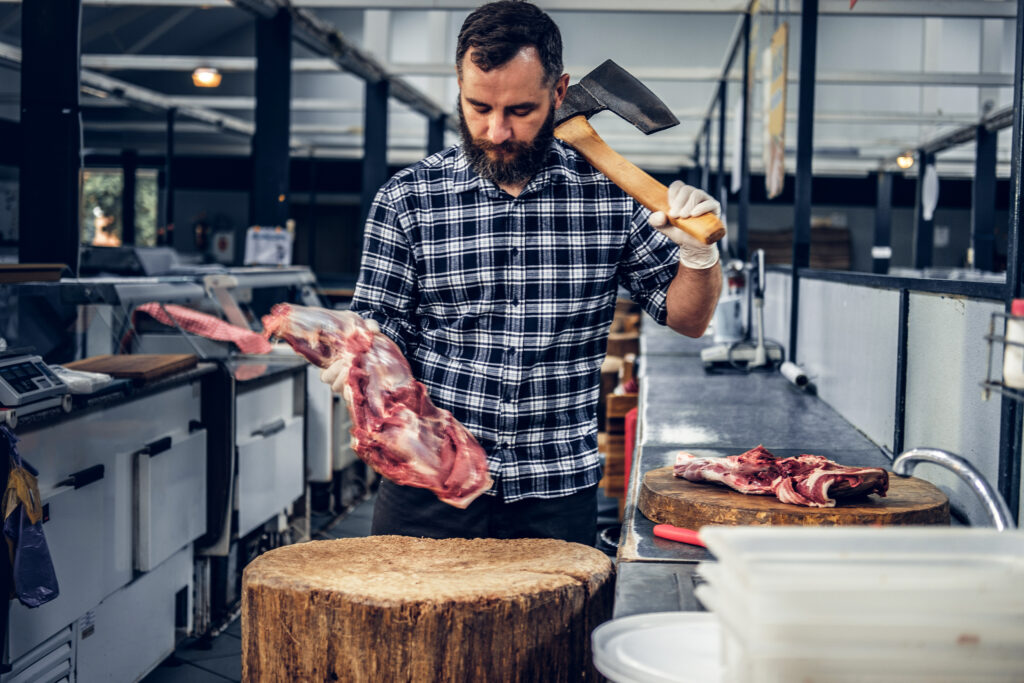
One of the most important responsibilities is learning the fine art of cutting meat properly. This requires precision, technique, and an understanding of different cuts.
What you will learn:
- Breaking down animal carcasses into different cuts
- Learning regional and international cutting styles
- Filleting poultry, beef, pork, and lamb
- Trimming fat and removing bones
- Preparing meat according to customer preference (thin slices, thick steaks, diced portions)
- Operating cutting tools such as knives, slicers, saws, and grinders
Why this is important:
Proper cutting improves the taste, tenderness, and presentation of meat. It also reduces waste, which is important for cost control and quality.
2. Production of Sausages and Meat Products
Germany is famous for its sausages (Bratwurst, Currywurst, Weisswurst, etc.). As a butcher trainee, making sausages is a major part of your training.
Responsibilities include:
- Mixing ingredients such as spices, herbs, and seasonings
- Grinding meat and preparing mixtures
- Filling sausage casings
- Learning techniques for curing, smoking, and fermenting
- Preparing ready-to-cook meat items
- Maintaining consistency in taste and quality
Importance:
Sausage production is a signature part of the German butcher profession and contributes significantly to the business. High-quality handmade sausages attract loyal customers.
3. Ensuring Hygiene and Food Safety
Germany follows strict regulations regarding hygiene and food safety. As a butcher, you must maintain a clean working environment to prevent contamination.
You will learn:
- Personal hygiene standards
- Proper cleaning and sanitizing of tools and equipment
- Rules for separating raw and cooked meat
- Safe storage techniques at correct temperatures
- Documentation and quality checks
- Understanding German food safety laws (HACCP guidelines)
Why this matters:
Maintaining hygiene ensures customer safety and builds trust. Violations can lead to penalties or even closure of the business.
4. Meat Inspection and Quality Control
During Ausbildung, you will study how to evaluate the quality of meat and identify fresh versus spoiled products.
Tasks include:
- Inspecting texture, smell, and color of meat
- Checking expiry dates and labeling
- Ensuring products meet company and legal standards
- Monitoring storage conditions
- Reporting any defects or abnormalities
Quality control is essential for delivering safe and high-quality meat to customers.
5. Customer Service and Sales
Contrary to the assumption that butchers only work behind the scenes, customer interaction is a key part of the job.
Main responsibilities:
- Greeting and advising customers
- Understanding customer needs and offering suggestions
- Cutting meat according to customer specifications
- Explaining different cuts, preparation methods, and recipes
- Displaying products attractively
- Handling billing and weighing meat
Customer service skills help build a strong customer base and ensure business growth.
6. Using Machines and Tools Safely
Butchers use several machines daily. During Ausbildung, you will learn the safe handling and maintenance of equipment.
Equipment includes:
- Meat grinders
- Slicers
- Vacuum machines
- Refrigeration units
- Bone saws
- Smoking chambers
Responsibilities:
- Cleaning machines after use
- Reporting damage or malfunction
- Using protective gear
- Following safety procedures
7. Preparing and Displaying Products At the Counter
Presentation makes a big difference in attracting customers. Proper arrangement of meat and meat products is part of the daily routine.
Tasks include:
- Displaying meat attractively
- Using presentation tools (garnish, trays, lighting)
- Labeling prices and product details
- Ensuring cleanliness of the display counter
A well-organized display increases sales and enhances customer trust.
8. Managing Stock and Storage
Butchers handle large quantities of meat, so inventory management is crucial.
You will learn:
- Recording incoming and outgoing stock
- Storing meat at appropriate temperatures
- Rotating stock by using the FIFO method (First in, first out)
- Preventing wastage through proper planning
9. Learning About Animal Anatomy
A unique part of butcher Ausbildung is studying animal anatomy. This knowledge helps you understand cuts, quality, and handling techniques.
You will study:
- Anatomy of cattle, pigs, poultry, and lamb
- Muscle structure and fat distribution
- Meat tenderness factors
- Identification of premium and common cuts
10. Packaging and Labeling
Packaging plays an important role in food safety and customer communication.
Key tasks:
- Vacuum-packing meat products
- Printing labels that include ingredients and expiry dates
- Ensuring compliance with German packaging regulations
- Using food-safe materials
11. Learning Industry Trends and Innovation
The meat industry in Germany is evolving. During your training, you will also learn about:
- Organic meat production
- Vegan/vegetarian alternatives in butcher shops
- Sustainability practices
- Energy-efficient equipment
- Reducing carbon footprint
Daily Work Routine of a Butcher Trainee
Your daily tasks will usually include:
- Preparing workstations
- Cleaning and sanitizing equipment
- Cutting fresh meat
- Filling sausages
- Managing the display counter
- Attending customers
- Checking stock levels
- Working in the production area
- Learning new techniques under supervision
The work can be physically demanding but rewarding.
Skills You Need for Butcher Ausbildung
To perform well in this field, you need:
- Good physical stamina
- Attention to detail
- Interest in food and cooking
- Hygiene awareness
- Teamwork and communication skills
- Customer-friendly attitude
- Willingness to learn German
- Hand-eye coordination
Career Opportunities After Butcher Ausbildung
After completing the program, you can work in:
- Butcher shops (Metzgerei)
- Supermarkets
- Meat processing factories
- Catering services
- Hotels and restaurants
- Food production companies
Further career options:
- Master Butcher (Fleischermeister)
- Quality Control Inspector
- Production Manager
- Food Technologist
- Own Butcher Shop or Restaurant
Germany offers excellent career growth in this field, especially for hardworking and skilled individuals.
Conclusion
Working as a butcher in Germany is a respected and well-paid profession with strong demand and long-term stability. Through the Butcher Ausbildung, you gain hands-on experience, professional knowledge, and practical skills that prepare you for a successful career in the food industry. The responsibilities may be challenging, but they offer valuable learning opportunities and a chance to build a solid future in Germany.
If you are planning to start your Ausbildung journey, understanding these responsibilities will help you prepare better and succeed in this rewarding profession.
If you are planning to start a career in Germany through the Butcher Ausbildung (Fleischer Ausbildung), it is important to understand the daily responsibilities, learning outcomes, working environment, and long-term growth opportunities in this field. The profession of a butcher in Germany is not just about cutting meat; it is a highly skilled trade that combines craftsmanship, food safety, hygiene, customer interaction, and product preparation.
Germany has a huge demand for trained butchers due to its strong food industry, rising consumption of meat products, and the popularity of high-quality sausage and meat specialties. During the Ausbildung, trainees learn everything from selecting the right cuts of meat to preparing sausages, handling machines, maintaining hygiene standards, and providing excellent customer service.
In this detailed blog, you will find a complete overview of the responsibilities, training content, work routine, skill requirements, and career prospects for butchers in Germany. If you are considering this career path, this guide will help you understand what to expect and how to excel.
Introduction: Why Become a Butcher in Germany?
Germany’s food industry is one of the strongest in Europe, and the butcher trade plays an essential role in maintaining the country’s culinary tradition. A trained butcher (Fleischer) is responsible for preparing high-quality meat products, ensuring food safety, and meeting customer expectations. Butcher Ausbildung is a 3-year vocational program and includes both classroom learning and practical training in butcher shops, supermarkets, and meat production companies.
There is a steady demand for international trainees in this sector, making it a good opportunity for people who want to build a stable career in Germany. After completing the program, graduates can work in butcheries, factories, catering companies, hotels, supermarkets, and even open their own business.
Main Responsibilities of a Butcher in German Ausbildung
Below is a detailed explanation of the key responsibilities you will handle as a butcher trainee in Germany. These responsibilities may vary depending on the company, but the core tasks remain the same.
1. Meat Cutting and Preparation
One of the most important responsibilities is learning the fine art of cutting meat properly. This requires precision, technique, and an understanding of different cuts.
What you will learn:
- Breaking down animal carcasses into different cuts
- Learning regional and international cutting styles
- Filleting poultry, beef, pork, and lamb
- Trimming fat and removing bones
- Preparing meat according to customer preference (thin slices, thick steaks, diced portions)
- Operating cutting tools such as knives, slicers, saws, and grinders
Why this is important:
Proper cutting improves the taste, tenderness, and presentation of meat. It also reduces waste, which is important for cost control and quality.
2. Production of Sausages and Meat Products
Germany is famous for its sausages (Bratwurst, Currywurst, Weisswurst, etc.). As a butcher trainee, making sausages is a major part of your training.
Responsibilities include:
- Mixing ingredients such as spices, herbs, and seasonings
- Grinding meat and preparing mixtures
- Filling sausage casings
- Learning techniques for curing, smoking, and fermenting
- Preparing ready-to-cook meat items
- Maintaining consistency in taste and quality
Importance:
Sausage production is a signature part of the German butcher profession and contributes significantly to the business. High-quality handmade sausages attract loyal customers.
3. Ensuring Hygiene and Food Safety
Germany follows strict regulations regarding hygiene and food safety. As a butcher, you must maintain a clean working environment to prevent contamination.
You will learn:
- Personal hygiene standards
- Proper cleaning and sanitizing of tools and equipment
- Rules for separating raw and cooked meat
- Safe storage techniques at correct temperatures
- Documentation and quality checks
- Understanding German food safety laws (HACCP guidelines)
Why this matters:
Maintaining hygiene ensures customer safety and builds trust. Violations can lead to penalties or even closure of the business.
4. Meat Inspection and Quality Control
During Ausbildung, you will study how to evaluate the quality of meat and identify fresh versus spoiled products.
Tasks include:
- Inspecting texture, smell, and color of meat
- Checking expiry dates and labeling
- Ensuring products meet company and legal standards
- Monitoring storage conditions
- Reporting any defects or abnormalities
Quality control is essential for delivering safe and high-quality meat to customers.
5. Customer Service and Sales
Contrary to the assumption that butchers only work behind the scenes, customer interaction is a key part of the job.
Main responsibilities:
- Greeting and advising customers
- Understanding customer needs and offering suggestions
- Cutting meat according to customer specifications
- Explaining different cuts, preparation methods, and recipes
- Displaying products attractively
- Handling billing and weighing meat
Customer service skills help build a strong customer base and ensure business growth.
6. Using Machines and Tools Safely
Butchers use several machines daily. During Ausbildung, you will learn the safe handling and maintenance of equipment.
Equipment includes:
- Meat grinders
- Slicers
- Vacuum machines
- Refrigeration units
- Bone saws
- Smoking chambers
Responsibilities:
- Cleaning machines after use
- Reporting damage or malfunction
- Using protective gear
- Following safety procedures
7. Preparing and Displaying Products At the Counter
Presentation makes a big difference in attracting customers. Proper arrangement of meat and meat products is part of the daily routine.
Tasks include:
- Displaying meat attractively
- Using presentation tools (garnish, trays, lighting)
- Labeling prices and product details
- Ensuring cleanliness of the display counter
A well-organized display increases sales and enhances customer trust.
8. Managing Stock and Storage
Butchers handle large quantities of meat, so inventory management is crucial.
You will learn:
- Recording incoming and outgoing stock
- Storing meat at appropriate temperatures
- Rotating stock by using the FIFO method (First in, first out)
- Preventing wastage through proper planning
9. Learning About Animal Anatomy
A unique part of butcher Ausbildung is studying animal anatomy. This knowledge helps you understand cuts, quality, and handling techniques.
You will study:
- Anatomy of cattle, pigs, poultry, and lamb
- Muscle structure and fat distribution
- Meat tenderness factors
- Identification of premium and common cuts
10. Packaging and Labeling
Packaging plays an important role in food safety and customer communication.
Key tasks:
- Vacuum-packing meat products
- Printing labels that include ingredients and expiry dates
- Ensuring compliance with German packaging regulations
- Using food-safe materials
11. Learning Industry Trends and Innovation
The meat industry in Germany is evolving. During your training, you will also learn about:
- Organic meat production
- Vegan/vegetarian alternatives in butcher shops
- Sustainability practices
- Energy-efficient equipment
- Reducing carbon footprint
Daily Work Routine of a Butcher Trainee
Your daily tasks will usually include:
- Preparing workstations
- Cleaning and sanitizing equipment
- Cutting fresh meat
- Filling sausages
- Managing the display counter
- Attending customers
- Checking stock levels
- Working in the production area
- Learning new techniques under supervision
The work can be physically demanding but rewarding.
Skills You Need for Butcher Ausbildung
To perform well in this field, you need:
- Good physical stamina
- Attention to detail
- Interest in food and cooking
- Hygiene awareness
- Teamwork and communication skills
- Customer-friendly attitude
- Willingness to learn German
- Hand-eye coordination
Career Opportunities After Butcher Ausbildung
After completing the program, you can work in:
- Butcher shops (Metzgerei)
- Supermarkets
- Meat processing factories
- Catering services
- Hotels and restaurants
- Food production companies
Further career options:
- Master Butcher (Fleischermeister)
- Quality Control Inspector
- Production Manager
- Food Technologist
- Own Butcher Shop or Restaurant
Germany offers excellent career growth in this field, especially for hardworking and skilled individuals.
Conclusion
Working as a butcher in Germany is a respected and well-paid profession with strong demand and long-term stability. Through the Butcher Ausbildung, you gain hands-on experience, professional knowledge, and practical skills that prepare you for a successful career in the food industry. The responsibilities may be challenging, but they offer valuable learning opportunities and a chance to build a solid future in Germany.
If you are planning to start your Ausbildung journey, understanding these responsibilities will help you prepare better and succeed in this rewarding profession.
For official details about vocational training regulations and wages, you can visit the Federal Employment Agency’s Ausbildung Portal or the Make It In Germany website.