
How Difficult Is the Roofer Ausbildung for Indian Students?
Roofer Ausbildung for Indian students
Choosing a vocational program (Ausbildung) in Germany is a big decision, especially for international candidates like Indian students who dream of building a secure future, gaining practical skills, and settling into a stable European career. Among the many Ausbildung programs available in Germany, Roofer (Dachdecker) Ausbildung is one of the physically active, technically detailed, and highly respected trades.
But how difficult is the Roofer Ausbildung for Indian students?
To answer this, we must look at multiple aspects: the nature of the work, language skills, climate challenges, cultural differences, training structure, salary expectations, exam difficulty, and career growth opportunities.
This in-depth blog will help Indian students clearly understand the real level of difficulty, challenges, advantages, and practical tips for success.
1. Introduction to Roofer Ausbildung in Germany
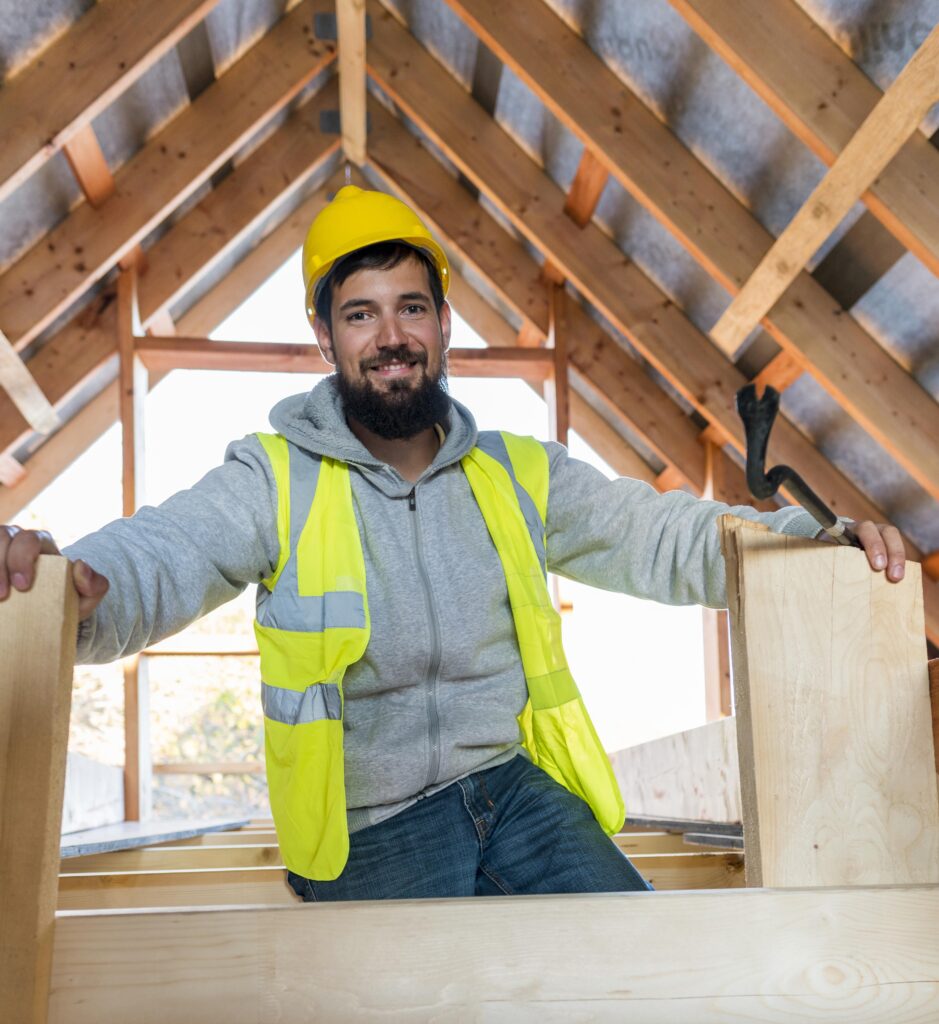
A Roofer (Dachdecker) is a skilled tradesperson responsible for constructing, repairing, and maintaining roofs using different materials like tiles, slate, metal sheets, insulation, waterproof systems, and more. In Germany, this profession is highly valued because buildings require long-lasting protection against heavy rains, snow, temperature variations, and winds.
The Roofer Ausbildung in Germany typically lasts 3 years and combines:
- Practical training in a roofing company
- Theoretical training in a vocational school
- Exams and assessments to test skills and knowledge
For Indian students, this training offers:
- A stable job
- High demand across Germany
- Good salary growth
- Easy career pathways
- Opportunities for permanent residence
But it also comes with real challenges—physical, environmental, cultural, and academic.
2. Is Roofer Ausbildung Difficult for Indian Students?
Short Answer: Yes, it is challenging — but very achievable with the right preparation.
The difficulty level comes mainly from:
- Germany’s cold climate
- Physically demanding tasks
- Working at heights
- Need for strong German language skills
- Technical knowledge and precision
- Strict safety rules
- Early working hours
- Adapting to a new country
Despite these factors, thousands of international students successfully complete it each year because Germany’s apprenticeship system is designed to support beginners.
The real question is not “Is it difficult?”
The real question is — Are you prepared for the challenge?
Let’s break down each part in detail.
3. Physical Difficulty Level of Roofer Ausbildung
3.1 High Physical Demand
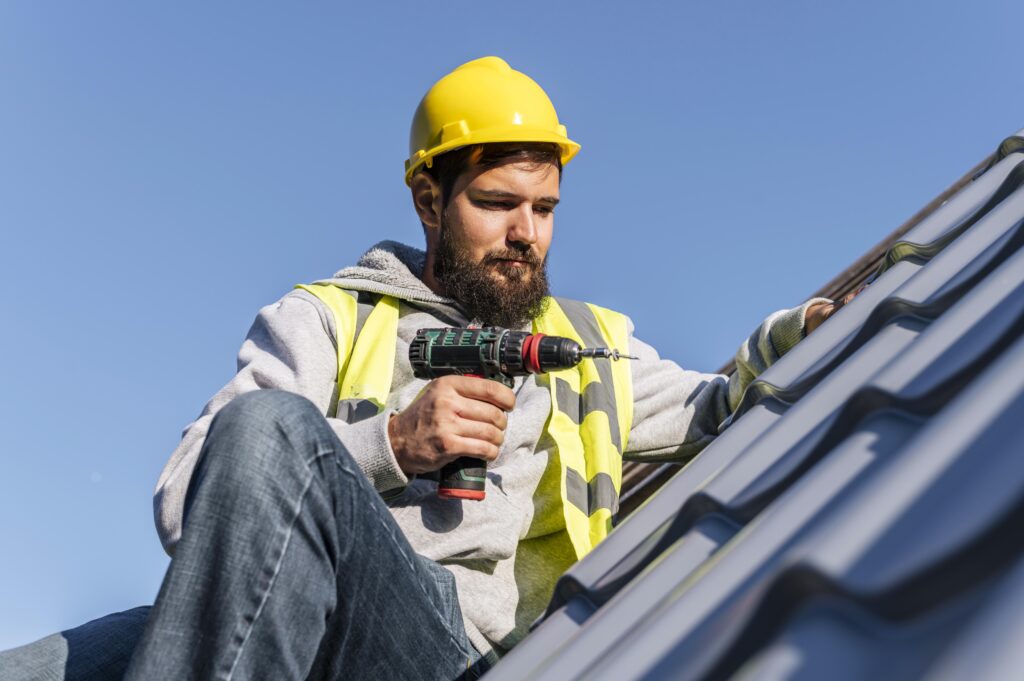
Roofers often lift heavy materials, climb ladders, carry tools, and work outdoors. Tasks include:
- Lifting tiles
- Installing waterproof layers
- Cutting metal sheets
- Using power tools
- Carrying insulation material
- Working on sloped roofs
For Indian students who are not used to physically demanding jobs, the first few months can be challenging. However, the body adapts quickly.
3.2 Working at Heights
You must be comfortable working on rooftops. For students with fear of heights, it can feel intimidating initially, but proper safety training helps overcome this.
3.3 Weather Conditions
Germany’s weather is colder and more unpredictable than India. You may have to work under:
- Light rain
- High winds
- Snow (in some regions)
- Cold mornings
Wearing proper safety gear makes this manageable, but it still demands endurance.
4. Difficulty Level of Technical Skills
4.1 Learning Roofing Materials
You must understand different roofing materials:
- Clay or cement tiles
- Slate
- Bitumen
- PVC membranes
- Metal sheets
- Thermal insulation
- Wooden frameworks
Each material has its own cutting, fixing, and sealing method.
4.2 Tools and Machinery
You will learn to use equipment like:
- Nail guns
- Roofing hammers
- Circular saws
- Drilling machines
- Ladder systems
- Scaffolding
- Heat welding machines
This requires coordination and careful handling.
4.3 Accuracy and Precision
German construction standards are extremely strict. A small mistake in measurement can cause water leakage or structural problems, so Indian trainees must learn precision-based working habits.
5. German Language Difficulty
The most common challenge for Indian students is German proficiency.
5.1 Required Level: B1 or B2
To understand instructors, communicate with colleagues, and follow safety rules, you need:
- B1 minimum before joining
- B2 during the training (recommended)
Technical German (Fachsprache) is also part of the training. You will learn words related to tools, materials, and safety.
5.2 Communicating in the Workplace
You must communicate with:
- Supervisors (Meister)
- Fellow trainees
- Construction partners
- School teachers
Initially, this feels overwhelming, but after 4–6 months, most students start speaking fluently.
5.3 Exam German
Vocational school exams are conducted in German. Reading, writing, and understanding technical terms is necessary.
6. Exam and School Difficulty Level
6.1 Vocational School Subjects
Typical subjects include:
- Roofing techniques
- Material science
- Construction mathematics
- Safety regulations
- Environmental protection
- Building physics
- German language and communication
6.2 Exams
There are two main exams:
- Midterm Exam (Zwischenprüfung)
- Final Exam (Gesellenprüfung)
Both include:
- Theory questions
- Practical tasks
- Safety and tool-handling evaluation
For Indian students who study regularly and practice, passing is very achievable.
7. Safety Rules and Discipline: A Huge Learning Curve
Germany has strict construction safety regulations. As a roofer, you must:
- Wear helmets, harnesses, gloves, and safety shoes
- Follow ladder safety
- Use scaffolding correctly
- Secure materials during heavy winds
- Use tools responsibly
- Avoid risky shortcuts
Indian students sometimes find the level of discipline surprising, but this training saves lives and builds professionalism.
8. Weather Challenges for Indian Students
8.1 Cold Winters
Many Indian students are not used to temperatures like:
- 0°C
- -5°C
- Sometimes even -10°C in some regions
But roofing companies provide winter gear:
- Thermal jackets
- Waterproof boots
- Gloves
- Safety clothing
8.2 Early Mornings
Work often starts at 7:00 AM. In winter, this can be difficult, but you quickly develop a routine.
9. Cultural and Social Difficulty Level
9.1 German Work Culture
Germany values:
- Punctuality
- Quality
- Discipline
- Honesty
- Teamwork
Indian students must adapt to:
- Direct communication style
- No shortcuts
- Following procedures
- Taking responsibility
9.2 Integrating with Colleagues
You will work with Germans, Europeans, and sometimes other international trainees. Learning basic social etiquette helps you fit in easily.
10. Salary and Financial Difficulty
During the Roofer Ausbildung, typical stipend is:
- 1st year: €850 – €1,000
- 2nd year: €1,000 – €1,200
- 3rd year: €1,200 – €1,400
Expenses are manageable due to Germany’s affordable trainee housing, public transport discounts, and social benefits.
After Ausbildung, salaries rise significantly:
- €2,400 – €3,200 per month (starting)
- Inexperienced roofers can earn more in big cities or after a few years of work.
Financially, the field is stable and rewarding.
11. Emotional and Psychological Difficulty
11.1 Homesickness
Indian students may miss:
- Family
- Food
- Festivals
- Climate
- Social environment
But this improves as you make new friends and settle into Germany.
11.2 Confidence Problems
The first months bring challenges:
- Doubts
- Fear of mistakes
- Fear of German communication
- Worry about exams
But with guidance from trainers and practice, confidence grows.
12. Reasons Why Indian Students Can Still Succeed
Despite challenges, Indian students excel because:
12.1 Strong Work Ethic
Indian youth are known for:
- Hard work
- Commitment
- Learning attitude
- Adaptability
These qualities are highly appreciated in German companies.
12.2 Fast Learning
Indian students pick up technical skills quickly and become independent workers.
12.3 Supportive System
Germany’s Ausbildung structure includes:
- Friendly mentors
- Regular feedback
- Extra classes
- Financial stability
- Immigrant-friendly environment
This reduces the difficulty level significantly.
13. Benefits That Make the Difficulty Worth It
Even if challenging, the rewards are significant:
13.1 Job Security
Germany has a shortage of roofers. Job opportunities are stable and long-term.
13.2 High Income
After a few years of experience, salaries increase significantly.
13.3 Path to Permanent Residence (PR)
Completing Ausbildung increases the chance of getting PR.
13.4 Opportunities to Become a Meister
You can become:
- Roof technician
- Supervisor
- Meister (master craftsman)
- Business owner
13.5 No need for a university degree
Practical experience matters more than academic background.
14. How to Reduce the Difficulty Level
14.1 Learn German Before Arrival
Achieve B1 or B2 to reduce stress.
14.2 Improve Physical Fitness
Start:
- Walking
- Jogging
- Light gym
- Stretching
14.3 Watch Roofing Tutorials Online
You’ll understand the basics before training starts.
14.4 Understand German Work Culture
Respect rules, time, and teamwork.
14.5 Ask Questions During Training
Don’t hesitate to ask your trainer for help.
15. Final Difficulty Rating for Indian Students
Here is a realistic difficulty score (1 to 10):
| Category | Difficulty Level |
|---|---|
| Physical Work | 8/10 |
| Technical Skills | 6/10 |
| German Language | 7/10 |
| Weather Conditions | 7/10 |
| Exams | 6/10 |
| Cultural Adaptation | 5/10 |
| Overall Difficulty | 6.5/10 |
This means: Challenging but very achievable.
16. Conclusion: Should Indian Students Choose Roofer Ausbildung?
The Roofer Ausbildung in Germany is not easy, but it is also not impossible. It is ideal for Indian students who:
- Are physically fit
- Are not afraid of heights
- Want a stable and well-paying career
- Are willing to learn German
- Want long-term settlement possibilities
- Prefer hands-on practical work
If you are ready to work hard, be disciplined, and adapt to new conditions, the Roofer Ausbildung can change your life. The challenges in the first few months slowly turn into confidence and mastery. Many Indian students have already succeeded — and you can too.
The key is preparation, dedication, and the willingness to learn.
Choosing a vocational program (Ausbildung) in Germany is a big decision, especially for international candidates like Indian students who dream of building a secure future, gaining practical skills, and settling into a stable European career. Among the many Ausbildung programs available in Germany, Roofer (Dachdecker) Ausbildung is one of the physically active, technically detailed, and highly respected trades.
But how difficult is the Roofer Ausbildung for Indian students?
To answer this, we must look at multiple aspects: the nature of the work, language skills, climate challenges, cultural differences, training structure, salary expectations, exam difficulty, and career growth opportunities.
This in-depth blog will help Indian students clearly understand the real level of difficulty, challenges, advantages, and practical tips for success.
1. Introduction to Roofer Ausbildung in Germany
A Roofer (Dachdecker) is a skilled tradesperson responsible for constructing, repairing, and maintaining roofs using different materials like tiles, slate, metal sheets, insulation, waterproof systems, and more. In Germany, this profession is highly valued because buildings require long-lasting protection against heavy rains, snow, temperature variations, and winds.
The Roofer Ausbildung in Germany typically lasts 3 years and combines:
- Practical training in a roofing company
- Theoretical training in a vocational school
- Exams and assessments to test skills and knowledge
For Indian students, this training offers:
- A stable job
- High demand across Germany
- Good salary growth
- Easy career pathways
- Opportunities for permanent residence
But it also comes with real challenges—physical, environmental, cultural, and academic.
2. Is Roofer Ausbildung Difficult for Indian Students?
Short Answer: Yes, it is challenging — but very achievable with the right preparation.
The difficulty level comes mainly from:
- Germany’s cold climate
- Physically demanding tasks
- Working at heights
- Need for strong German language skills
- Technical knowledge and precision
- Strict safety rules
- Early working hours
- Adapting to a new country
Despite these factors, thousands of international students successfully complete it each year because Germany’s apprenticeship system is designed to support beginners.
The real question is not “Is it difficult?”
The real question is — Are you prepared for the challenge?
Let’s break down each part in detail.
3. Physical Difficulty Level of Roofer Ausbildung
3.1 High Physical Demand
Roofers often lift heavy materials, climb ladders, carry tools, and work outdoors. Tasks include:
- Lifting tiles
- Installing waterproof layers
- Cutting metal sheets
- Using power tools
- Carrying insulation material
- Working on sloped roofs
For Indian students who are not used to physically demanding jobs, the first few months can be challenging. However, the body adapts quickly.
3.2 Working at Heights
You must be comfortable working on rooftops. For students with fear of heights, it can feel intimidating initially, but proper safety training helps overcome this.
3.3 Weather Conditions
Germany’s weather is colder and more unpredictable than India. You may have to work under:
- Light rain
- High winds
- Snow (in some regions)
- Cold mornings
Wearing proper safety gear makes this manageable, but it still demands endurance.
4. Difficulty Level of Technical Skills
4.1 Learning Roofing Materials
You must understand different roofing materials:
- Clay or cement tiles
- Slate
- Bitumen
- PVC membranes
- Metal sheets
- Thermal insulation
- Wooden frameworks
Each material has its own cutting, fixing, and sealing method.
4.2 Tools and Machinery
You will learn to use equipment like:
- Nail guns
- Roofing hammers
- Circular saws
- Drilling machines
- Ladder systems
- Scaffolding
- Heat welding machines
This requires coordination and careful handling.
4.3 Accuracy and Precision
German construction standards are extremely strict. A small mistake in measurement can cause water leakage or structural problems, so Indian trainees must learn precision-based working habits.
5. German Language Difficulty
The most common challenge for Indian students is German proficiency.
5.1 Required Level: B1 or B2
To understand instructors, communicate with colleagues, and follow safety rules, you need:
- B1 minimum before joining
- B2 during the training (recommended)
Technical German (Fachsprache) is also part of the training. You will learn words related to tools, materials, and safety.
5.2 Communicating in the Workplace
You must communicate with:
- Supervisors (Meister)
- Fellow trainees
- Construction partners
- School teachers
Initially, this feels overwhelming, but after 4–6 months, most students start speaking fluently.
5.3 Exam German
Vocational school exams are conducted in German. Reading, writing, and understanding technical terms is necessary.
6. Exam and School Difficulty Level
6.1 Vocational School Subjects
Typical subjects include:
- Roofing techniques
- Material science
- Construction mathematics
- Safety regulations
- Environmental protection
- Building physics
- German language and communication
6.2 Exams
There are two main exams:
- Midterm Exam (Zwischenprüfung)
- Final Exam (Gesellenprüfung)
Both include:
- Theory questions
- Practical tasks
- Safety and tool-handling evaluation
For Indian students who study regularly and practice, passing is very achievable.
7. Safety Rules and Discipline: A Huge Learning Curve
Germany has strict construction safety regulations. As a roofer, you must:
- Wear helmets, harnesses, gloves, and safety shoes
- Follow ladder safety
- Use scaffolding correctly
- Secure materials during heavy winds
- Use tools responsibly
- Avoid risky shortcuts
Indian students sometimes find the level of discipline surprising, but this training saves lives and builds professionalism.
8. Weather Challenges for Indian Students
8.1 Cold Winters
Many Indian students are not used to temperatures like:
- 0°C
- -5°C
- Sometimes even -10°C in some regions
But roofing companies provide winter gear:
- Thermal jackets
- Waterproof boots
- Gloves
- Safety clothing
8.2 Early Mornings
Work often starts at 7:00 AM. In winter, this can be difficult, but you quickly develop a routine.
9. Cultural and Social Difficulty Level
9.1 German Work Culture
Germany values:
- Punctuality
- Quality
- Discipline
- Honesty
- Teamwork
Indian students must adapt to:
- Direct communication style
- No shortcuts
- Following procedures
- Taking responsibility
9.2 Integrating with Colleagues
You will work with Germans, Europeans, and sometimes other international trainees. Learning basic social etiquette helps you fit in easily.
10. Salary and Financial Difficulty
During the Roofer Ausbildung, typical stipend is:
- 1st year: €850 – €1,000
- 2nd year: €1,000 – €1,200
- 3rd year: €1,200 – €1,400
Expenses are manageable due to Germany’s affordable trainee housing, public transport discounts, and social benefits.
After Ausbildung, salaries rise significantly:
- €2,400 – €3,200 per month (starting)
- Inexperienced roofers can earn more in big cities or after a few years of work.
Financially, the field is stable and rewarding.
11. Emotional and Psychological Difficulty
11.1 Homesickness
Indian students may miss:
- Family
- Food
- Festivals
- Climate
- Social environment
But this improves as you make new friends and settle into Germany.
11.2 Confidence Problems
The first months bring challenges:
- Doubts
- Fear of mistakes
- Fear of German communication
- Worry about exams
But with guidance from trainers and practice, confidence grows.
12. Reasons Why Indian Students Can Still Succeed
Despite challenges, Indian students excel because:
12.1 Strong Work Ethic
Indian youth are known for:
- Hard work
- Commitment
- Learning attitude
- Adaptability
These qualities are highly appreciated in German companies.
12.2 Fast Learning
Indian students pick up technical skills quickly and become independent workers.
12.3 Supportive System
Germany’s Ausbildung structure includes:
- Friendly mentors
- Regular feedback
- Extra classes
- Financial stability
- Immigrant-friendly environment
This reduces the difficulty level significantly.
13. Benefits That Make the Difficulty Worth It
Even if challenging, the rewards are significant:
13.1 Job Security
Germany has a shortage of roofers. Job opportunities are stable and long-term.
13.2 High Income
After a few years of experience, salaries increase significantly.
13.3 Path to Permanent Residence (PR)
Completing Ausbildung increases the chance of getting PR.
13.4 Opportunities to Become a Meister
You can become:
- Roof technician
- Supervisor
- Meister (master craftsman)
- Business owner
13.5 No need for a university degree
Practical experience matters more than academic background.
14. How to Reduce the Difficulty Level
14.1 Learn German Before Arrival
Achieve B1 or B2 to reduce stress.
14.2 Improve Physical Fitness
Start:
- Walking
- Jogging
- Light gym
- Stretching
14.3 Watch Roofing Tutorials Online
You’ll understand the basics before training starts.
14.4 Understand German Work Culture
Respect rules, time, and teamwork.
14.5 Ask Questions During Training
Don’t hesitate to ask your trainer for help.
15. Final Difficulty Rating for Indian Students
Here is a realistic difficulty score (1 to 10):
| Category | Difficulty Level |
|---|---|
| Physical Work | 8/10 |
| Technical Skills | 6/10 |
| German Language | 7/10 |
| Weather Conditions | 7/10 |
| Exams | 6/10 |
| Cultural Adaptation | 5/10 |
| Overall Difficulty | 6.5/10 |
This means: Challenging but very achievable.
16. Conclusion: Should Indian Students Choose Roofer Ausbildung?
The Roofer Ausbildung in Germany is not easy, but it is also not impossible. It is ideal for Indian students who:
- Are physically fit
- Are not afraid of heights
- Want a stable and well-paying career
- Are willing to learn German
- Want long-term settlement possibilities
- Prefer hands-on practical work
If you are ready to work hard, be disciplined, and adapt to new conditions, the Roofer Ausbildung can change your life. The challenges in the first few months slowly turn into confidence and mastery. Many Indian students have already succeeded — and you can too.
For official details about vocational training regulations and wages, you can visit the Federal Employment Agency’s Ausbildung Portal or the Make It In Germany website.
The key is preparation, dedication, and the willingness to learn.