What Are the Types of Mechanic Ausbildung Programs in Germany?
Mechanic Ausbildung in Germany
Germany is globally respected for its strong vocational training system known as Ausbildung. This dual education model combines theoretical learning at vocational schools with hands-on practical training inside real companies. Among the most popular and promising vocational careers in the German job market are the mechanic Ausbildung programs.
Mechanics in Germany are highly valued professionals. Whether working with automobiles, industrial machinery, aviation components, heating systems, or precision tools, mechanics ensure that essential equipment and systems keep running smoothly. This is why Germany offers a wide range of mechanic-related Ausbildung programs across multiple industries.
If you are planning to pursue vocational training in Germany and are specifically interested in mechanical professions, understanding the different types of mechanic Ausbildungen is essential. This detailed guide explores all major mechanic Ausbildung programs, what each one involves, salary expectations, job roles, career paths, and long-term growth opportunities.
This article is structured to provide you with deep insight into each training field, helping you choose the mechanic specialization that fits your goals best.
What Is Mechanic Ausbildung in Germany?
Before diving into the different types, let’s understand the concept briefly.
A Mechanic Ausbildung is a dual vocational training program designed to prepare individuals as certified mechanics in specific technical fields. The training typically lasts three years, though some specializations vary slightly depending on the industry requirements.
Mechanic Ausbildung programs combine:
- Practical work inside a company
- Classroom learning at a Berufsschule (vocational school)
- Exams, assessments, and hands-on tasks
- Professional certifications recognized across the European Union
Mechanics are essential across nearly every industry — automotive, manufacturing, energy, aviation, heating/cooling, electronics, robotics, mechatronics, and more. Germany’s industrial economy depends heavily on skilled mechanical workers, which is why salaries, job security, and employment opportunities remain consistently strong.
Why Choose a Mechanic Ausbildung in Germany?
There are several reasons why mechanic Ausbildungen are among the most popular choices for both local and international applicants:
1. High Demand for Skilled Labor
Germany faces a massive shortage of technical professionals. Mechanics, technicians, and engineers are at the top of the shortage occupation lists, guaranteeing job opportunities after training.
2. Hands-On Training
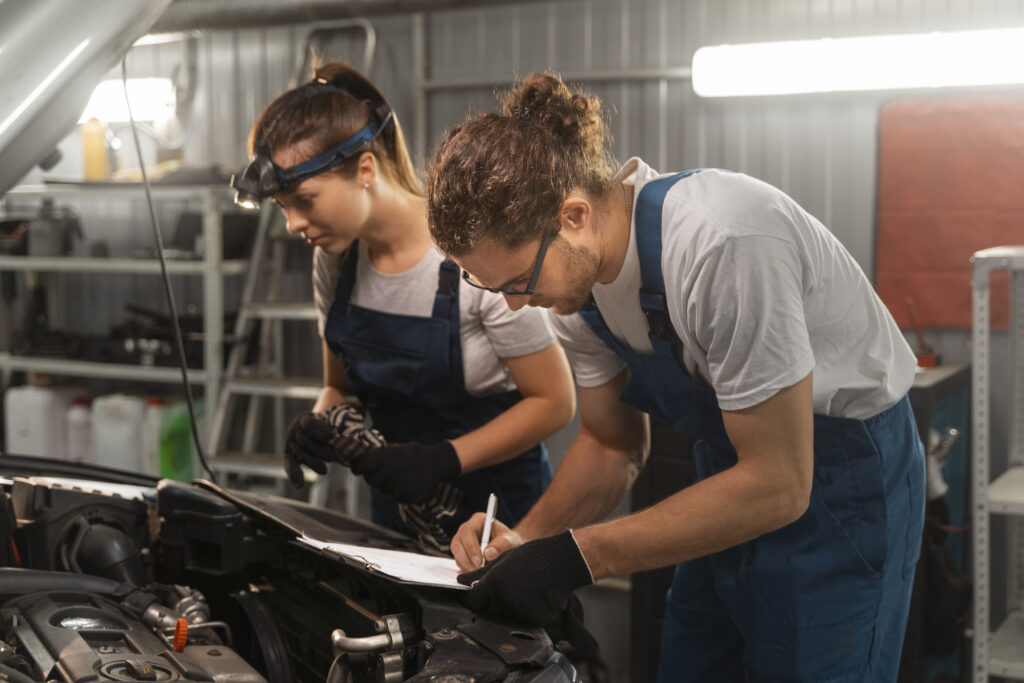
Unlike purely academic programs, Ausbildung focuses on real-world skills. By the end of your training, you’ll have practical experience that employers value highly.
3. Attractive Salaries
Mechanic trainees earn a monthly stipend, and after graduation, certified mechanics receive competitive salaries depending on specialization.
4. Clear Career Progression
After completing your Ausbildung, you can become:
- A certified technician
- A master technician (Meister)
- A supervisor or manager
- A specialist in advanced mechanical systems
- A self-employed business owner
The field offers long-term stability and growth.
Major Types of Mechanic Ausbildung Programs in Germany
Germany offers more than 15 different mechanic-related Ausbildung programs, each with specific responsibilities and career outcomes. Below are the most important and in-demand mechanic specializations for the year 2025 and beyond.
1. Automotive Mechanic (Kfz-Mechatroniker Ausbildung)
This is one of the most popular mechanic Ausbildungen in Germany. It focuses on repairing, maintaining, and diagnosing cars and light commercial vehicles.
Specializations Inside Automotive Mechanic Training
- Vehicle system and high-voltage technology
- Passenger car technology
- Commercial vehicle technology
- Motorcycles
- Bodywork repair
- Car electrics
Training Duration
3.5 years (due to advanced electronic components)
Typical Job Responsibilities
- Diagnosing mechanical and electrical issues
- Repairing engines, brakes, HVAC, and transmission systems
- Testing vehicle safety systems
- Performing maintenance and inspections
Career Options
- Car mechanic
- Diagnostic technician
- Automotive service advisor
- Car electrician
- Vehicle testing center technician
This program is ideal for anyone passionate about cars, technology, and hands-on repair work.
2. Industrial Mechanic (Industriemechaniker Ausbildung)
Industrial mechanics work in factories, industrial plants, and production lines. They install, repair, and maintain machines used in manufacturing.
Training Duration
3.5 years
Key Responsibilities
- Operating industrial machinery
- Fixing and maintaining factory equipment
- Reading technical drawings
- Installing and optimizing production systems
Career Opportunities
- Machine operator
- Maintenance technician
- Production line supervisor
- Industrial equipment specialist
Industrial mechanics are essential to Germany’s manufacturing sector and have excellent job security.
3. Mechatronics Technician (Mechatroniker Ausbildung)
Mechatronics combines mechanical engineering, electrical engineering, and computer systems. This is one of the most modern and future-oriented Mechanic Ausbildungen.
Training Duration
3.5 years
Job Responsibilities
- Installing and maintaining automated machines
- Working with robotics and automated production lines
- Diagnosing electrical and mechanical faults
- Programming control systems
- Assembling mechatronic systems
Where They Work
- Robotics companies
- Automotive factories
- Electronics manufacturing
- Engineering firms
This is ideal for individuals interested in automation, robotics, and technology.
4. Aircraft Mechanic (Fluggerätmechaniker Ausbildung)
This is one of the most prestigious mechanic Ausbildungen. Aircraft mechanics maintain and repair airplanes and aviation equipment.
Specializations
- Aircraft maintenance
- Engine mechanics
- Structural repair
Training Duration
3.5 years
Responsibilities
- Inspecting aircraft safety systems
- Repairing engines and turbines
- Maintaining flight control systems
- Conducting performance tests
Aircraft mechanics must follow strict safety standards, and salaries after training are among the highest in mechanic fields.
5. Bicycle Mechanic (Zweiradmechatroniker Ausbildung)
A specialized mechanic Ausbildung for maintaining and repairing bicycles, e-bikes, and small motorbikes.
Training Duration
3 years
Job Tasks
- Repairing mechanical and electronic bicycle systems
- Diagnosing brake, gear, and motor issues
- Assembling bicycles
- Maintaining e-bike batteries and motors
With the rise of e-mobility, this mechanic field is growing fast.
6. Construction Machinery Mechanic (Baumaschinenmechatroniker Ausbildung)
This specialization focuses on heavy construction machinery like excavators, cranes, bulldozers, and loaders.
Training Duration
3.5 years
Job Responsibilities
- Repairing hydraulics
- Maintaining heavy machinery engines
- Troubleshooting electronic control systems
- Conducting safety checks
Construction companies highly value skilled heavy machinery mechanics.
7. Agricultural Machinery Mechanic (Landmaschinenmechaniker Ausbildung)
Germany’s agriculture sector relies heavily on complex machinery. This Ausbildung trains specialists who can repair tractors, harvesters, and planting equipment.
Training Duration
3.5 years
Job Tasks
- Maintaining hydraulics and power systems
- Fixing large agricultural vehicles
- Testing performance and safety
- Working with GPS-based farming technologies
8. Heating and Sanitary Mechanic (Anlagenmechaniker SHK Ausbildung)
This program covers heating, plumbing, ventilation, climate control, and water systems in homes and buildings.
Training Duration
3.5 years
Responsibilities
- Installing heating systems
- Repairing pipes and water systems
- Maintaining ventilation systems
- Installing solar thermal systems
This field is in high demand due to Germany’s energy efficiency goals.
9. Electronics Technician for Industrial Engineering (Elektroniker für Betriebstechnik)
A mix of mechanical and electrical training, focusing on maintaining electrical systems in factories and plants.
Training Duration
3.5 years
Tasks
- Repairing electrical machinery
- Maintaining automated systems
- Troubleshooting control systems
10. Precision Mechanic (Feinwerkmechaniker Ausbildung)
Precision mechanics work with high-accuracy metal parts used in medical devices, electronics, and industrial machines.
Training Duration
3.5 years
Key Responsibilities
- Creating precision tools
- Operating CNC machines
- Quality checks using measurement technology
This is one of the most technical mechanic professions.
11. Tool Mechanic (Werkzeugmechaniker Ausbildung)
Tool mechanics create and repair tools, moulds, and devices used in manufacturing.
Training Duration
3.5 years
Tasks
- Operating CNC machines
- Making cutting tools and molds
- Testing precision instruments
12. Machine and Plant Operator (Maschinen- und Anlagenführer Ausbildung)
This is a shorter Ausbildung, focusing on operating and managing production machinery.
Training Duration
2 years
Responsibilities
- Monitoring machine operations
- Troubleshooting issues
- Performing simple maintenance tasks
13. Refrigeration & Air Conditioning Mechanic (Mechatroniker für Kältetechnik)
These specialists install and maintain cooling systems, refrigeration units, and air conditioning systems.
Training Duration
3.5 years
Tasks
- Installing cooling systems
- Diagnosing technical issues
- Repairing refrigeration units
- Working with environmental regulations
Mechanic Ausbildung Salary Overview
Although stipends vary by region, company, and specialization, most mechanic trainees earn:
Average Monthly Stipend
- 1st Year: €850 – €1,000
- 2nd Year: €950 – €1,100
- 3rd Year: €1,050 – €1,250
- 4th Year (if applicable): €1,200 – €1,350
Salaries after graduation depend heavily on specialization. Aircraft mechanics, mechatronics technicians, and industrial mechanics earn some of the highest starting salaries.
Career Growth After Mechanic Ausbildung
Mechanic training opens many doors for future growth. Once you complete your Ausbildung, you can pursue:
1. Meister (Master Technician)
Allows you to:
- Train apprentices
- Lead teams
- Open your own workshop
2. Technician School (Techniker)
Advanced technical education focusing on engineering-level skills.
3. Specialized Certifications
Hydraulics, electronics, robotics, CNC programming, aviation systems, etc.
4. Higher Education
Some trainees later study engineering or automation technology.
How to Choose the Right Mechanic Ausbildung Program
Here are some factors to consider:
1. Your Interests
Do you like cars? Machines? Robotics? Plumbing? Aviation?
2. Future Salary
Some specializations pay more.
3. Job Demand
Mechatronics, industrial mechanics, and SHK mechanics have the highest demand.
4. Physical and Technical Skills
Choose a field that matches your strengths.
Conclusion
Mechanic Ausbildung programs in Germany offer incredible opportunities for individuals who enjoy practical work, technology, and problem-solving. With more than 15 different mechanic-related training options, you can select a specialization that aligns perfectly with your skills and interests.
Whether you want to work with cars, aircraft, industrial machines, cooling systems, heavy machinery, or precision tools, Germany provides world-class training, solid income, and long-term career security.
Mechanics remain among the most respected and in-demand professionals in the country. Completing a mechanic Ausbildung not only gives you a stable job but also opens pathways for higher education, advanced certifications, and leadership roles.
Training Duration
3.5 years
Job Responsibilities
- Installing and maintaining automated machines
- Working with robotics and automated production lines
- Diagnosing electrical and mechanical faults
- Programming control systems
- Assembling mechatronic systems
Where They Work
- Robotics companies
- Automotive factories
- Electronics manufacturing
- Engineering firms
This is ideal for individuals interested in automation, robotics, and technology.
4. Aircraft Mechanic (Fluggerätmechaniker Ausbildung)
This is one of the most prestigious mechanic Ausbildungen. Aircraft mechanics maintain and repair airplanes and aviation equipment.
Specializations
- Aircraft maintenance
- Engine mechanics
- Structural repair
Training Duration
3.5 years
Responsibilities
- Inspecting aircraft safety systems
- Repairing engines and turbines
- Maintaining flight control systems
- Conducting performance tests
Aircraft mechanics must follow strict safety standards, and salaries after training are among the highest in mechanic fields.
5. Bicycle Mechanic (Zweiradmechatroniker Ausbildung)
A specialized mechanic Ausbildung for maintaining and repairing bicycles, e-bikes, and small motorbikes.
Training Duration
3 years
Job Tasks
- Repairing mechanical and electronic bicycle systems
- Diagnosing brake, gear, and motor issues
- Assembling bicycles
- Maintaining e-bike batteries and motors
With the rise of e-mobility, this mechanic field is growing fast.
6. Construction Machinery Mechanic (Baumaschinenmechatroniker Ausbildung)
This specialization focuses on heavy construction machinery like excavators, cranes, bulldozers, and loaders.
Training Duration
3.5 years
Job Responsibilities
- Repairing hydraulics
- Maintaining heavy machinery engines
- Troubleshooting electronic control systems
- Conducting safety checks
Construction companies highly value skilled heavy machinery mechanics.
7. Agricultural Machinery Mechanic (Landmaschinenmechaniker Ausbildung)
Germany’s agriculture sector relies heavily on complex machinery. This Ausbildung trains specialists who can repair tractors, harvesters, and planting equipment.
Training Duration
3.5 years
Job Tasks
- Maintaining hydraulics and power systems
- Fixing large agricultural vehicles
- Testing performance and safety
- Working with GPS-based farming technologies
8. Heating and Sanitary Mechanic (Anlagenmechaniker SHK Ausbildung)
This program covers heating, plumbing, ventilation, climate control, and water systems in homes and buildings.
Training Duration
3.5 years
Responsibilities
- Installing heating systems
- Repairing pipes and water systems
- Maintaining ventilation systems
- Installing solar thermal systems
This field is in high demand due to Germany’s energy efficiency goals.
9. Electronics Technician for Industrial Engineering (Elektroniker für Betriebstechnik)
A mix of mechanical and electrical training, focusing on maintaining electrical systems in factories and plants.
Training Duration
3.5 years
Tasks
- Repairing electrical machinery
- Maintaining automated systems
- Troubleshooting control systems
10. Precision Mechanic (Feinwerkmechaniker Ausbildung)
Precision mechanics work with high-accuracy metal parts used in medical devices, electronics, and industrial machines.
Training Duration
3.5 years
Key Responsibilities
- Creating precision tools
- Operating CNC machines
- Quality checks using measurement technology
This is one of the most technical mechanic professions.
11. Tool Mechanic (Werkzeugmechaniker Ausbildung)
Tool mechanics create and repair tools, moulds, and devices used in manufacturing.
Training Duration
3.5 years
Tasks
- Operating CNC machines
- Making cutting tools and molds
- Testing precision instruments
12. Machine and Plant Operator (Maschinen- und Anlagenführer Ausbildung)
This is a shorter Ausbildung, focusing on operating and managing production machinery.
Training Duration
2 years
Responsibilities
- Monitoring machine operations
- Troubleshooting issues
- Performing simple maintenance tasks
13. Refrigeration & Air Conditioning Mechanic (Mechatroniker für Kältetechnik)
These specialists install and maintain cooling systems, refrigeration units, and air conditioning systems.
Training Duration
3.5 years
Tasks
- Installing cooling systems
- Diagnosing technical issues
- Repairing refrigeration units
- Working with environmental regulations
Mechanic Ausbildung Salary Overview
Although stipends vary by region, company, and specialization, most mechanic trainees earn:
Average Monthly Stipend
- 1st Year: €850 – €1,000
- 2nd Year: €950 – €1,100
- 3rd Year: €1,050 – €1,250
- 4th Year (if applicable): €1,200 – €1,350
Salaries after graduation depend heavily on specialization. Aircraft mechanics, mechatronics technicians, and industrial mechanics earn some of the highest starting salaries.
Career Growth After Mechanic Ausbildung
Mechanic training opens many doors for future growth. Once you complete your Ausbildung, you can pursue:
1. Meister (Master Technician)
Allows you to:
- Train apprentices
- Lead teams
- Open your own workshop
2. Technician School (Techniker)
Advanced technical education focusing on engineering-level skills.
3. Specialized Certifications
Hydraulics, electronics, robotics, CNC programming, aviation systems, etc.
4. Higher Education
Some trainees later study engineering or automation technology.
How to Choose the Right Mechanic Ausbildung Program
Here are some factors to consider:
1. Your Interests
Do you like cars? Machines? Robotics? Plumbing? Aviation?
2. Future Salary
Some specializations pay more.
3. Job Demand
Mechatronics, industrial mechanics, and SHK mechanics have the highest demand.
4. Physical and Technical Skills
Choose a field that matches your strengths.
Conclusion
Mechanic Ausbildung programs in Germany offer incredible opportunities for individuals who enjoy practical work, technology, and problem-solving. With more than 15 different mechanic-related training options, you can select a specialization that aligns perfectly with your skills and interests.
Whether you want to work with cars, aircraft, industrial machines, cooling systems, heavy machinery, or precision tools, Germany provides world-class training, solid income, and long-term career security.
Mechanics remain among the most respected and in-demand professionals in the country. Completing a mechanic Ausbildung not only gives you a stable job but also opens pathways for higher education, advanced certifications, and leadership roles.
For official details about vocational training regulations and wages, you can visit the Federal Employment Agency’s Ausbildung Portal or the Make It In Germany website.
Germany is globally respected for its strong vocational training system known as Ausbildung. This dual education model combines theoretical learning at vocational schools with hands-on practical training inside real companies. Among the most popular and promising vocational careers in the German job market are the mechanic Ausbildung programs.
Mechanics in Germany are highly valued professionals. Whether working with automobiles, industrial machinery, aviation components, heating systems, or precision tools, mechanics ensure that essential equipment and systems keep running smoothly. This is why Germany offers a wide range of mechanic-related Ausbildung programs across multiple industries.
If you are planning to pursue vocational training in Germany and are specifically interested in mechanical professions, understanding the different types of mechanic Ausbildungen is essential. This detailed guide explores all major mechanic Ausbildung programs, what each one involves, salary expectations, job roles, career paths, and long-term growth opportunities.
Germany is globally respected for its strong vocational training system known as Ausbildung. This dual education model combines theoretical learning at vocational schools with hands-on practical training inside real companies. Among the most popular and promising vocational careers in the German job market are the mechanic Ausbildung programs.
Mechanics in Germany are highly valued professionals. Whether working with automobiles, industrial machinery, aviation components, heating systems, or precision tools, mechanics ensure that essential equipment and systems keep running smoothly. This is why Germany offers a wide range of mechanic-related Ausbildung programs across multiple industries.
If you are planning to pursue vocational training in Germany and are specifically interested in mechanical professions, understanding the different types of mechanic Ausbildungen is essential. This detailed guide explores all major mechanic Ausbildung programs, what each one involves, salary expectations, job roles, career paths, and long-term growth opportunities.