
Electrician salary after Ausbildung in Germany
Germany is one of the most industrially advanced countries in the world, known for its precision engineering, cutting-edge technology, and exceptional vocational training programs. Among these, the Ausbildung (apprenticeship) pathway plays a vital role in shaping skilled professionals across various trades. One of the most in-demand and respected professions in Germany is that of an electrician (Elektriker).
If you’re planning to pursue an electrician Ausbildung in Germany, you’re likely curious about one of the most practical questions: How much does an electrician earn after completing the Ausbildung?
In this article, we’ll explore in detail the average electrician salary after Ausbildung in Germany, salary variations by region and experience, job roles, growth prospects, and much more. This comprehensive guide will give you a clear understanding of what to expect financially and professionally once you step into the German workforce as a certified electrician.
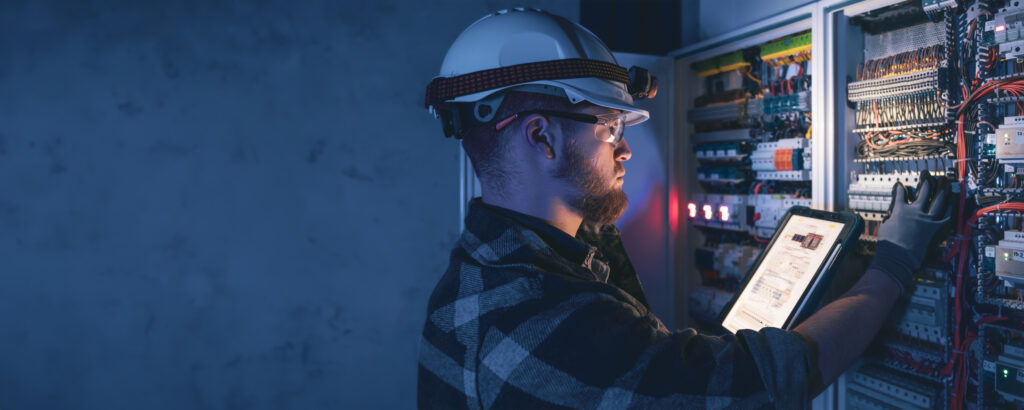
Overview of Electrician Ausbildung in Germany
Before discussing salaries, it’s important to understand what the electrician Ausbildung involves.
An Ausbildung is a dual vocational training program that combines classroom learning with on-the-job practical training. For electricians, this program typically lasts 3 to 3.5 years, during which trainees (Azubis) learn electrical theory, safety standards, and practical installation, maintenance, and repair skills.
Types of Electrician Ausbildung Programs
Electrician Ausbildungen can vary depending on the specialization. The most common types include:
- Elektroniker für Energie- und Gebäudetechnik (Electronics Technician for Energy and Building Technology)
- Elektroniker für Automatisierungstechnik (Electronics Technician for Automation Technology)
- Elektroniker für Betriebstechnik (Industrial Electrician or Electrical Technician for Operating Technology)
- Elektroniker für Maschinen und Antriebstechnik (Electronics Technician for Machines and Drive Technology)
Each of these specializations prepares you for different sectors—ranging from industrial installations to automation systems and power networks.
Electrician Salary During Ausbildung
While in training, you already start earning a monthly stipend (Ausbildungsvergütung). The salary during the Ausbildung phase depends on your company, region, and collective agreements. On average, an electrician apprentice earns the following:
| Year of Training | Average Monthly Salary (€) |
|---|---|
| 1st Year | 850 – 1,050 |
| 2nd Year | 950 – 1,150 |
| 3rd Year | 1,050 – 1,250 |
This income is sufficient for basic living expenses, especially if you share accommodation or live in smaller towns. Additionally, many training companies provide benefits like travel allowances, meal subsidies, or discounts on tools and safety equipment.
Average Salary of an Electrician After Ausbildung in Germany
After successfully completing the Ausbildung and earning your Gesellenbrief (journeyman certificate), you officially become a skilled worker. This significantly boosts your earning potential.
1. Entry-Level Electrician Salary
As a freshly qualified electrician, you can expect to earn between €2,500 and €3,200 gross per month. The exact figure depends on several factors, including your location, company size, and specialization.
For instance:
- In eastern Germany, salaries might start around €2,300 – €2,700,
- Whereas in western or southern Germany (e.g., Bavaria, Baden-Württemberg), entry salaries are higher—around €2,800 – €3,200.
2. Average National Salary
According to German labor statistics and trade union data, the average monthly salary for electricians in Germany ranges between €3,000 and €3,800 gross per month, equivalent to €36,000 – €45,000 annually.
3. Experienced Electricians (5–10 Years)
With experience, electricians can command significantly higher pay. After 5–10 years of work, you may earn around €3,800 – €4,500 per month. Those who take on supervisory roles or specialize in industrial or automation systems can earn even more—sometimes up to €5,000 monthly.
4. Master Electrician (Meister) and Beyond
Becoming a Meister (Master Electrician) opens the door to higher earnings and career independence. A Meister electrician earns between €4,500 and €6,000 per month, depending on experience and business size. Many start their own companies or move into managerial roles.
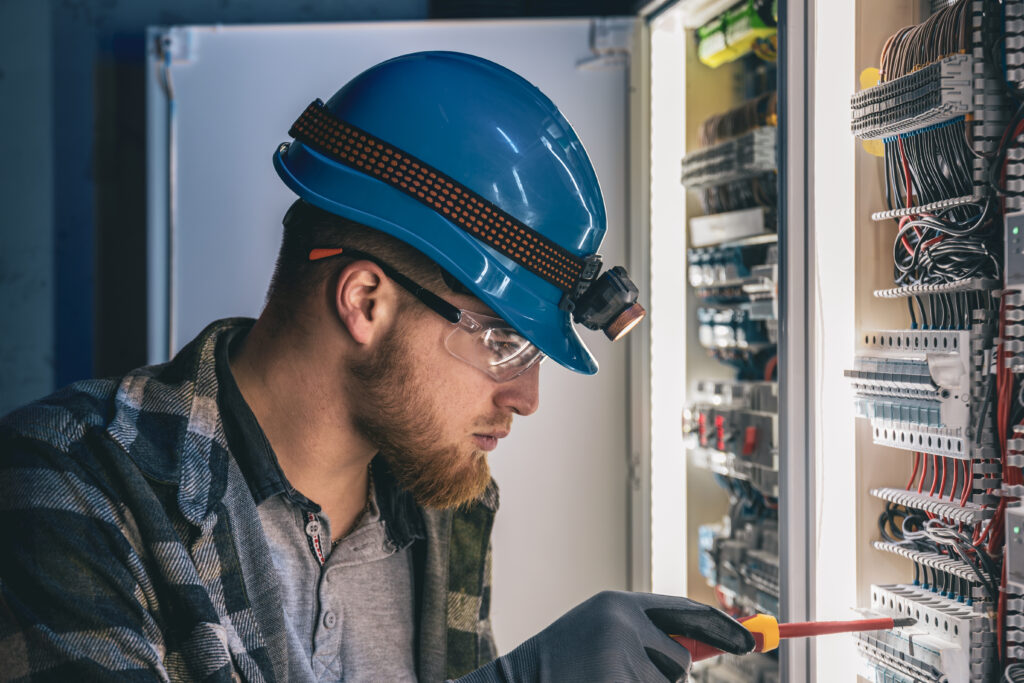
Electrician Salary by German States (Bundesländer)
Salary levels in Germany vary significantly by region. The following table shows the approximate average electrician salaries across major states:
| State (Bundesland) | Average Monthly Salary (€) |
|---|---|
| Bavaria (Bayern) | 3,700 – 4,200 |
| Baden-Württemberg | 3,800 – 4,300 |
| Hesse (Hessen) | 3,600 – 4,000 |
| North Rhine-Westphalia (NRW) | 3,400 – 3,800 |
| Lower Saxony (Niedersachsen) | 3,200 – 3,600 |
| Berlin | 3,000 – 3,400 |
| Saxony (Sachsen) | 2,700 – 3,100 |
| Thuringia (Thüringen) | 2,600 – 3,000 |
| Hamburg | 3,600 – 4,100 |
| Bremen | 3,400 – 3,800 |
This variation reflects differences in living costs, industrial demand, and local collective bargaining agreements.
Factors Influencing Electrician Salary in Germany
Several factors determine how much an electrician earns:
1. Experience and Qualifications
The longer you work in the field, the more valuable your experience becomes. Electricians with advanced qualifications, such as Meister certification or additional safety training, earn higher wages.
2. Type of Employer
- Public sector jobs or positions with large industrial firms (like Siemens or Deutsche Bahn) usually pay better.
- Small local companies may offer lower wages but often provide flexible work hours and less pressure.
3. Location
As mentioned, western and southern Germany generally offer higher salaries due to stronger economies and higher living costs.
4. Workload and Shift Patterns
Electricians working in 24/7 operations or those who handle emergency callouts and night shifts earn additional pay through allowances.
5. Specialization
Automation, renewable energy, and building systems technicians are often paid more than general electricians due to the technical nature of their work.
Net Salary (Take-Home Pay) After Taxes
Germany has a progressive tax system. While the gross salary is quite attractive, your net salary (after taxes and social contributions) will be slightly lower.
For example:
- A gross salary of €3,200 per month results in a net take-home pay of around €2,100 – €2,300, depending on your tax class and deductions.
- At €4,500 gross, the net income would be approximately €2,900 – €3,100.
Despite taxes, electricians enjoy stable income, strong job security, and access to excellent healthcare and retirement benefits.
Career Growth and Promotion Opportunities
The electrician trade offers plenty of room for professional growth. Here are some career paths you can pursue after your Ausbildung:
1. Meister (Master Craftsman)
After a few years of experience, you can take the Meisterprüfung (master craftsman exam). This qualification allows you to:
- Start your own business
- Train apprentices
- Work independently on large contracts
Becoming a Meister also raises your earning potential significantly.
2. Technician (Staatlich geprüfter Techniker)
You can also pursue a Techniker degree in electrical or automation engineering. This qualification blends hands-on and theoretical skills and can lead to higher technical roles or supervisory positions.
3. Further Specializations
Many electricians take additional courses in renewable energy, smart home systems, or industrial automation to remain competitive and increase their value in the job market.
4. Move into Management or Teaching
Experienced electricians can move into project management, site supervision, or vocational teaching roles. These positions combine leadership, technical, and administrative skills and offer higher salaries.
Demand for Electricians in Germany
Electricians are in high demand across Germany, thanks to the country’s rapid technological development and energy transition (Energiewende). With the growing focus on sustainable energy, electric vehicles, and smart home technology, the demand for skilled electrical professionals continues to rise.
According to German labor agencies, electricians are among the top shortage occupations (Mangelberufe) in Germany. This means international candidates with proper qualifications and language skills have excellent job prospects.
Work-Life Balance and Job Satisfaction
Most electricians in Germany enjoy a balanced work schedule, typically 35–40 hours per week. Overtime is paid fairly, and weekends are often free unless you’re on special projects or emergency duty.
Additionally, the job offers:
- Strong union protection
- Paid vacations (around 25–30 days per year)
- Paid sick leave and healthcare coverage
Many electricians express high job satisfaction due to practical work, job security, and opportunities to see tangible results of their skills daily.
Electrician Salaries Compared to Other Skilled Trades
It’s helpful to compare electrician salaries with other popular trades to understand their relative value:
| Profession | Average Monthly Salary (€) |
|---|---|
| Electrician | 3,000 – 3,800 |
| Plumber | 2,800 – 3,600 |
| Carpenter | 2,700 – 3,400 |
| Mechanic | 3,000 – 3,700 |
| HVAC Technician | 3,200 – 4,000 |
| Welder | 2,800 – 3,500 |
As the table shows, electricians rank among the higher-earning skilled trades, especially for those who specialize in energy or automation sectors.
Tips to Increase Your Salary as an Electrician in Germany
If you want to maximize your earnings as an electrician, consider these strategies:
- Gain more experience – Stay longer in your field and develop deep expertise.
- Upgrade your qualifications – Completing Meister or Techniker programs leads to better-paying positions.
- Work in high-demand sectors – Industries like renewable energy, industrial automation, and smart infrastructure pay better.
- Move to higher-paying regions – Cities like Munich, Stuttgart, and Frankfurt offer premium wages.
- Improve your German language skills – Fluent communication helps you secure promotions and better contracts.
- Take on leadership roles – Foreman or site supervisor positions offer higher pay and additional benefits.
Benefits of Working as an Electrician in Germany
Apart from competitive salaries, electricians enjoy numerous professional benefits:
- Job Security: Germany’s need for skilled workers ensures steady employment.
- Excellent Work Conditions: Safety, regulations, and labor rights are strictly enforced.
- Career Growth: Multiple pathways to advance your career or start your own business.
- High Living Standards: Access to social security, healthcare, and paid leave.
- Recognition of Skills: The Ausbildung system ensures that your qualifications are respected throughout the EU.
Conclusion
An electrician Ausbildung in Germany offers a stable and rewarding career with strong earning potential and endless opportunities for professional growth.
After completing the Ausbildung, you can expect an average salary of €3,000 to €3,800 per month, which can rise significantly with experience, specialization, or further qualifications. In addition to competitive pay, electricians benefit from excellent work conditions, strong job demand, and the satisfaction of contributing to Germany’s high-tech infrastructure.
Whether you plan to work in residential installations, industrial automation, or renewable energy systems, becoming an electrician in Germany ensures not only financial stability but also long-term career fulfillment.
✅ SEO Summary:
The average electrician salary after Ausbildung in Germany ranges from €3,000 to €3,800 per month, increasing to €4,500 or more with experience or Meister status. Salaries vary by region, specialization, and
What Subjects Are Taught in the Electrician Training Program in Germany?