
Germany is known for its world-class vocational education system, commonly known as the Ausbildung program. Among the many trades available, Plumbing Ausbildung stands out as a promising career path that offers stability, a good salary, and a clear route to permanent employment. For international students and skilled workers, especially from countries like India, choosing plumbing as a profession in Germany can open doors to both financial security and professional growth.
In this article, we will explore how much a plumbing apprentice can earn per month in Germany, what factors affect the salary, the structure of the Ausbildung program, qualifications required, and what the future looks like after completing the training.
Introduction to Plumbing Ausbildung in Germany
The Plumbing Ausbildung in Germany is a dual vocational training program that combines classroom learning with practical on-the-job experience. Trainees, known as apprentices, are hired by companies and work under experienced plumbers while attending vocational school (Berufsschule) for theoretical lessons.
This dual structure ensures that students not only gain knowledge but also acquire the skills and experience required to perform plumbing jobs efficiently. The program usually lasts between 3 to 3.5 years, depending on performance and state regulations.
As part of the Ausbildung, apprentices receive a monthly stipend or salary, which increases with each training year. This salary is one of the most attractive features for international students — they can earn while they learn, reducing the financial burden of studying abroad.
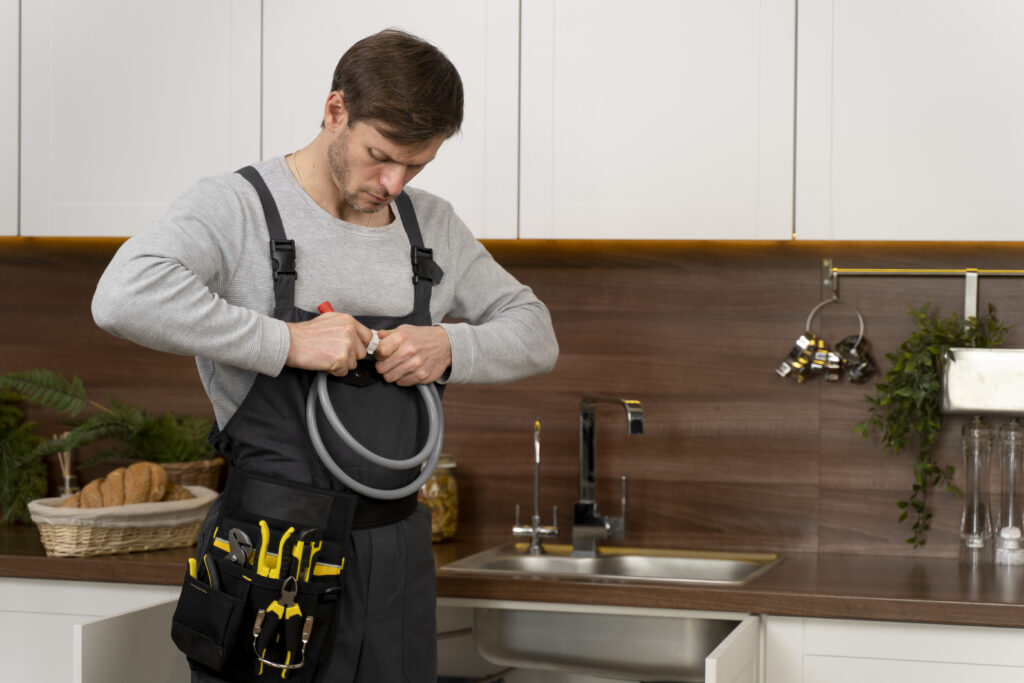
Monthly Salary of a Plumbing Apprentice in Germany
The average monthly salary for a plumbing apprentice (Anlagenmechaniker für Sanitär-, Heizungs- und Klimatechnik) in Germany depends on several factors, such as region, company size, and year of training.
Here’s an approximate breakdown:
| Year of Training | Average Monthly Salary (€) |
|---|---|
| 1st Year | €850 – €1,000 |
| 2nd Year | €950 – €1,100 |
| 3rd Year | €1,050 – €1,200 |
| 4th Year (if applicable) | €1,150 – €1,300 |
So, on average, a plumbing apprentice in Germany can earn between €850 and €1,300 per month during the training period.
Factors That Affect a Plumbing Apprentice’s Salary
While these numbers give a general idea, the actual salary of a plumbing apprentice can vary significantly. Several key factors influence this variation:
1. Location (Region or State)
Germany’s federal structure means wages differ across states. For example:
- Apprentices in Bavaria, Baden-Württemberg, and Hamburg tend to earn higher stipends.
- Regions in Eastern Germany may offer slightly lower salaries, though living costs are also cheaper.
2. Type of Employer
Large companies or public sector employers typically pay more compared to small, private workshops.
A plumbing apprentice working for a municipal utility company or a large construction firm might earn close to the upper range of the salary scale.
3. Collective Agreements (Tarifvertrag)
Many German trades follow collective wage agreements negotiated by trade unions and employer associations. Apprentices under such agreements often receive better pay and benefits.
4. Year of Training
Each year brings an increase in salary. As apprentices gain more skills and responsibilities, their monthly earnings grow accordingly.
5. Performance and Additional Qualifications
Apprentices who perform exceptionally well, take on extra responsibilities, or possess prior technical knowledge may receive bonuses or early promotions.
Cost of Living for Plumbing Apprentices in Germany
While the salary during the apprenticeship is modest, it is usually enough to cover basic living expenses, especially when budgeting wisely.
Here’s a general estimate of monthly living costs in Germany for an apprentice:
| Expense | Approximate Monthly Cost (€) |
|---|---|
| Rent (shared apartment) | 300 – 500 |
| Food | 200 – 300 |
| Transportation | 50 – 80 |
| Health Insurance | 120 – 150 |
| Miscellaneous (clothing, phone, etc.) | 100 – 150 |
So, the average monthly living cost ranges between €800 and €1,100, depending on the city. This means that even during the first year, apprentices can often manage their expenses independently without major financial strain.
Life as a Plumbing Apprentice in Germany
A plumbing apprentice’s daily routine involves a mix of practical training and classroom learning. Apprentices spend about 3–4 days a week working in a plumbing company or construction site, and 1–2 days attending vocational school.
Practical Training Includes:
- Installation of water, heating, and sanitation systems
- Repairing and maintaining plumbing networks
- Reading blueprints and understanding technical drawings
- Learning to use tools, machinery, and safety equipment
Theoretical Training Covers:
- Basics of thermodynamics and hydraulics
- Environmental protection and sustainability
- Mathematics and physics for plumbing systems
- German language and communication skills for workplace efficiency
This combination helps apprentices gain both the technical and social skills required for a successful career.
Advantages of Becoming a Plumbing Apprentice in Germany
Germany is one of the few countries that pay trainees during vocational training, making the Ausbildung system extremely attractive. Some major benefits include:
1. Earn While You Learn
Apprentices receive a monthly salary from the very first month, reducing financial stress.
2. Practical Job Experience
You gain real-world experience by working directly with professional plumbers, which gives you a competitive advantage in the job market.
3. High Employability
After completing the Ausbildung, over 90% of apprentices receive a job offer from their training company or related firms.
4. Permanent Residency Opportunities
International apprentices who complete the Ausbildung and secure employment can easily apply for a Residence Permit for Employment and later a Permanent Residency.
5. Pathway to Higher Education
After the apprenticeship, candidates can pursue Meister (Master Craftsman) training or even engineering degrees for career advancement.
Future Career and Salary After Completion
Once the apprenticeship is successfully completed, the individual becomes a qualified plumber (Geselle). Salaries for qualified plumbers are considerably higher than those of apprentices.
Here’s what you can expect after completing the training:
| Job Role | Average Monthly Salary (€) |
|---|---|
| Qualified Plumber (Entry-Level) | €2,500 – €3,000 |
| Experienced Plumber | €3,000 – €3,800 |
| Master Plumber (Meister) | €4,000 – €5,500 |
| Self-Employed Plumber | €5,000+ (depending on business size) |
Many skilled plumbers also start their own small businesses or work as independent contractors. With experience, the income potential increases significantly.
Job Demand and Opportunities in Germany
Germany faces a shortage of skilled tradespeople, especially in construction, plumbing, and electrical sectors. The country’s aging workforce and growing infrastructure needs have created high demand for young professionals in these areas.
According to German industry reports, plumbing and heating technicians are among the most sought-after skilled workers. This demand ensures:
- Excellent job security
- Competitive salaries
- Long-term career stability
Additionally, Germany encourages international applicants through simplified visa processes under the Skilled Workers Immigration Act. This makes it easier for foreign students, including those from India, to pursue Ausbildung programs and work legally in the country.
Qualifications Needed to Apply for Plumbing Ausbildung
To apply for a plumbing apprenticeship in Germany, candidates typically need:
- Educational Qualification:
- Minimum: 10th or 12th-grade completion
- Science or technical background preferred
- Language Skills:
- German language proficiency (minimum B1 level) is required, as all training and communication happen in German.
- Age Requirement:
- Usually between 18 to 30 years old for international applicants
- Documents Required:
- Valid passport
- School certificates and transcripts
- German language certificate (B1/B2)
- Updated CV and motivation letter
- Work Experience (Optional):
- Any prior experience in plumbing, mechanical, or technical fields can strengthen the application.
Work Hours and Environment
Plumbing apprentices generally work 35–40 hours per week. Working hours may vary slightly depending on the company, but the environment is professional, safety-oriented, and structured.
The work can be physically demanding, involving:
- Standing for long hours
- Working with tools and materials
- Installing or repairing systems in buildings
However, German companies follow strict safety standards and provide all necessary protective gear to ensure a safe workplace.
Skills Required to Succeed as a Plumbing Apprentice
Success in plumbing doesn’t depend only on technical skills but also on soft skills. Here are some essential qualities:
- Technical aptitude – Ability to understand systems, drawings, and tools
- Problem-solving skills – Quick and logical decision-making on-site
- Physical fitness – Capability to handle manual work efficiently
- Communication – Clear interaction with supervisors, colleagues, and clients
- Attention to detail – Ensuring safety and accuracy in installations
Apprentices who demonstrate these skills often progress faster and receive better job offers after completion.
Career Growth After Plumbing Ausbildung
Once you complete the training, your career options are wide open. Some common pathways include:
1. Employment in Construction or Maintenance Companies
Many plumbers work in residential, commercial, or industrial settings, handling new installations and maintenance work.
2. Becoming a Meister (Master Craftsman)
After a few years of experience, you can pursue the Meister qualification, which allows you to:
- Start your own plumbing business
- Train apprentices
- Earn higher wages
3. Further Studies in Engineering
Some candidates choose to continue their education in mechanical or building services engineering, opening doors to managerial or design roles.
4. Self-Employment
With experience and the Meister title, self-employment becomes a lucrative option. Many plumbers eventually open their own workshops and hire apprentices.
Challenges of Plumbing Ausbildung
While rewarding, the training also comes with challenges:
- Language Barrier: Non-German speakers may initially find it difficult to adapt.
- Physical Demands: Plumbing involves hands-on, physically demanding work.
- Weather Conditions: Working outdoors in cold or wet weather can be tough.
- Adapting to German Work Culture: Punctuality, discipline, and precision are key expectations in German workplaces.
However, with determination and the right mindset, these challenges can be overcome easily. The experience gained is invaluable and sets you up for long-term success.
Why Choose Plumbing Ausbildung as a Foreigner?
For international candidates, especially from countries like India, Nepal, or the Philippines, plumbing Ausbildung offers several advantages:
- No tuition fees (training is free and paid)
- Monthly stipend from day one
- Guaranteed job opportunities upon completion
- Chance to settle in Germany permanently
- High respect for skilled trades in German society
It’s a perfect combination of practical learning, financial support, and a clear career path.

Realistic Example of a Plumbing Apprentice’s Monthly Budget
Let’s consider a real-world example to understand how the salary supports daily living:
Monthly Income (2nd-year apprentice): €1,050
Monthly Expenses:
- Rent (shared flat): €400
- Food: €250
- Transportation: €60
- Health insurance: €130
- Miscellaneous: €100
Total Expenses: €940
Savings/Balance: €110 per month
This shows that even with moderate expenses, an apprentice can live comfortably and save a small amount each month.
Final Thoughts
The Plumbing Ausbildung in Germany is one of the best opportunities for individuals seeking a stable, rewarding, and hands-on career. With monthly earnings ranging from €850 to €1,300 during training and excellent job prospects afterward, it’s a pathway that offers both professional growth and financial independence.
Germany’s emphasis on practical skills, combined with its strong labor market and respect for vocational trades, ensures that plumbers remain in high demand across the country.
For motivated candidates — especially from countries like India — this career path is not just a job, but a gateway to building a successful life in one of the world’s most advanced economies.