
Germany is well-known for its dual education system, which combines classroom learning with practical on-the-job training. One of the most in-demand vocational training programs in Germany is the Ausbildung zum Klempner — or Plumbing Apprenticeship. For Indian students who want to pursue a technical career abroad, the Plumber Ausbildung offers an excellent opportunity to gain hands-on experience, earn a monthly stipend, and secure long-term job prospects in Europe.
However, before applying, it’s important to understand the specific qualifications and requirements that applicants from India must fulfill to be eligible for this program. This article explains in detail the educational qualifications, language requirements, documentation, skills, and application process for Indians who wish to start a Plumbing Ausbildung in Germany.
Understanding the Plumber Ausbildung Program
The Plumber Ausbildung (Klempner Ausbildung) is a dual training program that usually lasts for 3 to 3.5 years. During this period, trainees split their time between a vocational school (Berufsschule) and a training company (Ausbildungsbetrieb).
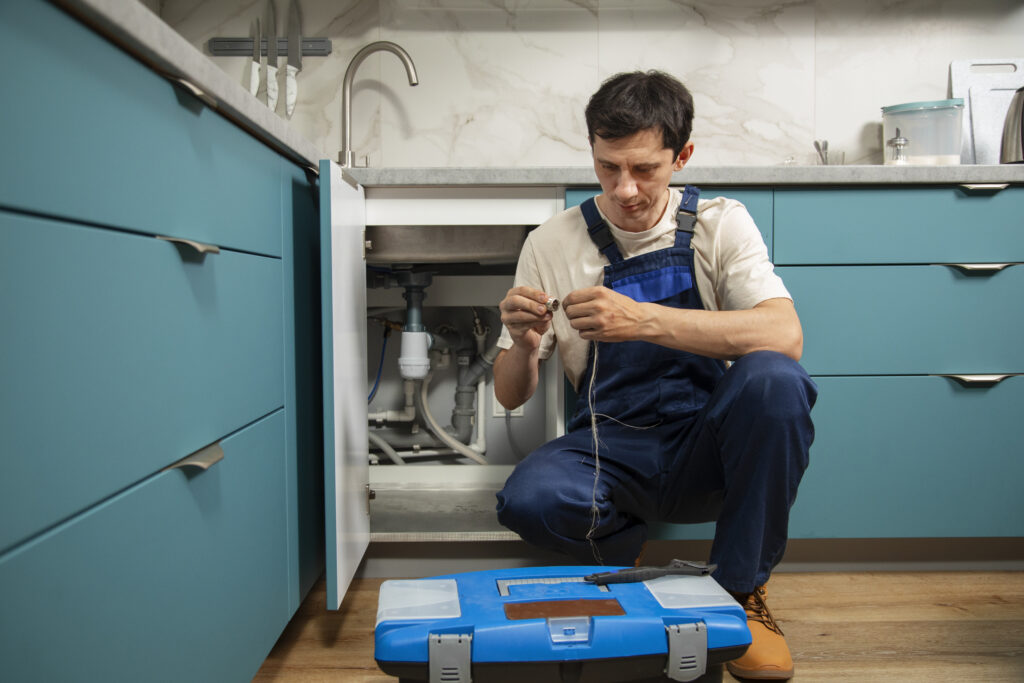
In school, trainees study the theoretical aspects of plumbing, such as technical drawing, safety regulations, and building codes. In the training company, they gain hands-on experience by working under skilled professionals, learning how to install, repair, and maintain water and heating systems.
At the end of the training, trainees take a final examination, and successful graduates receive a recognized German vocational qualification that opens the door to permanent employment or further specialization in fields like sanitary engineering, heating technology, or building maintenance.
Basic Eligibility Criteria for Indian Applicants
To apply for the Plumber Ausbildung in Germany from India, applicants must meet certain academic, linguistic, and professional eligibility requirements. Let’s look at each of these in detail.
1. Educational Qualification
A key requirement for admission into any Ausbildung program is having completed at least 10 or 12 years of formal education.
a. Minimum Education Level
Most German employers expect Indian applicants to have completed at least:
- 10th or 12th standard from a recognized Indian board (CBSE, ICSE, or State Board).
However, for technical trades like plumbing, students with ITI (Industrial Training Institute) or polytechnic diplomas have a better chance of being accepted.
b. Relevant Background
Although plumbing is a practical trade, having some prior knowledge or technical education can strengthen your application. For example:
- ITI in Plumber, Fitter, or Mechanical Trade.
- Diploma in Civil, Mechanical, or Building Maintenance Engineering.
c. Academic Documents Required
Applicants should have the following documents ready:
- Class 10th and 12th mark sheets and certificates.
- ITI/Diploma certificate (if applicable).
- Translated copies in German (if required).
2. German Language Proficiency
Germany conducts its vocational training entirely in German, so language proficiency is a crucial requirement.
a. Minimum Language Level
To start the Ausbildung, you need to achieve at least:
- B1 Level in German (Goethe, TELC, or ÖSD certified)
Some training companies may accept applications at the A2 level, provided you commit to reaching B1 before the program begins.
b. Why German Is Essential
- You will attend vocational classes taught in German.
- Communication at the workplace is in German.
- Understanding safety regulations and technical instructions requires fluency.
c. How to Learn German
You can learn German through:
- Certified language institutes like Goethe-Institut (Max Mueller Bhavan)
- Online courses and tutors.
- Local language centers affiliated with the German Embassy.
d. Language Certificates to Present
- Goethe-Institut Certificate (A2/B1)
- TELC or TestDaF results
- German language school certificate (if recognized)
3. Age Requirement
Although there’s no official upper age limit, most employers prefer candidates who are:
- Between 18 and 30 years old.
Applicants younger than 18 may need parental consent, while older applicants should demonstrate recent relevant experience in plumbing or a related technical field.
4. Work Experience (Optional but Advantageous)
Work experience is not mandatory, but it adds significant value to your application.
a. Relevant Experience Includes:
- Working as a plumber’s assistant in India.
- Internships or apprenticeships under licensed plumbers.
- Practical work in maintenance, piping, or construction.
b. Benefits of Having Work Experience
- Shows your commitment to the trade.
- Helps you adapt faster to on-the-job training.
- Makes your application stand out during interviews.
If you have work experience, be sure to include:
- Experience certificates.
- Letters of recommendation.
- Photos or proof of previous projects (if applicable).
5. Health and Fitness Requirements
Plumbing is a physically demanding profession that involves lifting, bending, and working in various environments.
Hence, applicants must:
- Be physically fit and healthy.
- Obtain a medical fitness certificate before applying for a visa.
This certificate should confirm that you’re capable of performing physical labor and have no health issues that could interfere with your work.
6. Soft Skills and Personal Qualities
In addition to technical skills, employers in Germany look for certain soft skills and personal traits that indicate your ability to succeed in a practical training environment.
a. Important Soft Skills Include:
- Teamwork and communication abilities.
- Punctuality and responsibility.
- Problem-solving mindset.
- Eagerness to learn and adapt.
b. Why Soft Skills Matter
German companies value discipline and reliability. Being professional, respectful, and dedicated will help you build a strong reputation during your training period.
Step-by-Step Application Process for Indian Applicants
Applying for a Plumber Ausbildung from India involves several important steps. Below is a clear, step-by-step guide.
Step 1: Research the Ausbildung Program
Start by researching:
- Plumbing Ausbildung programs in different German states.
- Employers or training companies offering plumbing apprenticeships.
- Requirements specific to each company (some may need additional documents).
You can explore options through:
- The official German government portal for vocational training.
- German job portals that list Ausbildung positions.
- Authorized consultants who help with Ausbildung placements.
Step 2: Learn German and Obtain Certification
Enroll in a German language course early. It can take 8–12 months to reach the required B1 level.
Make sure your certificate is recognized by the German authorities. Without proof of language proficiency, your visa application will likely be rejected.
Step 3: Prepare Your Application Documents
Prepare a complete set of documents, including:
- Updated CV in Europass format.
- Motivation Letter (Statement of Purpose).
- Academic certificates (10th/12th/ITI).
- Language certificates.
- Experience letters (if any).
- Passport copy.
- Passport-sized photographs.
Ensure that all documents are:
- Translated into German (by a certified translator).
- Attested or notarized, if required.
Step 4: Apply to Training Companies
Once your documents are ready, start applying to plumbing companies or training centers that offer Ausbildung positions.
You can apply directly by email or through official platforms. In your application email, attach your documents and write a short, polite introduction in German.
If shortlisted, you may be invited for an online interview in German.
Step 5: Receive the Offer Letter
If you successfully pass the interview, you’ll receive a training contract (Ausbildungsvertrag) from the company.
This contract includes:
- Duration of training.
- Monthly stipend (around €900–€1,200).
- Working hours and holidays.
- Employer’s details and responsibilities.
Step 6: Apply for the Visa
With your signed contract, you can apply for the German National Visa (D Visa) under the “Vocational Training” category.
Documents for Visa Application:
- Valid passport.
- Ausbildung contract.
- Proof of language proficiency (minimum B1).
- Academic certificates.
- Proof of accommodation in Germany.
- Medical insurance.
- Visa application form and fee payment.
After submission, attend the visa interview at the German Embassy or Consulate in India.
Step 7: Travel to Germany and Begin Ausbildung
Once your visa is approved, you can travel to Germany and start your Ausbildung.
Upon arrival, you must register your residence and apply for a residence permit. The training will officially begin as per your contract schedule.
Duration and Structure of Plumber Ausbildung
The Plumbing Ausbildung lasts for 3 years, divided into practical and theoretical parts.
Year 1: Basics of Plumbing
- Introduction to plumbing tools and materials.
- Basics of pipe installation and fittings.
- Workplace safety and hygiene.
Year 2: Intermediate Skills
- Installation of sanitary systems, heating, and drainage.
- Reading blueprints and technical diagrams.
- Water supply and energy efficiency training.
Year 3: Advanced Level
- Complex system maintenance and troubleshooting.
- Customer service and independent project work.
- Preparation for final exams.
At the end of the program, students take a final exam that includes both written and practical tests.
Salary During Ausbildung
During the Ausbildung, trainees receive a monthly stipend, which increases every year.
| Training Year | Average Monthly Salary (€) |
|---|---|
| 1st Year | 900 – 1,000 |
| 2nd Year | 1,000 – 1,100 |
| 3rd Year | 1,100 – 1,200 |
This salary helps cover living expenses like accommodation, food, and transportation.
Career Opportunities After Ausbildung
Once you complete the Plumber Ausbildung, you have several options for career advancement.
1. Employment in Germany
You can work full-time as a qualified plumber, earning between €2,500 – €3,500 per month depending on experience and region.
2. Further Training
You can pursue advanced training programs to become a:
- Master Plumber (Installateur- und Heizungsbaumeister)
- Technical Supervisor
- Construction Site Manager
3. Self-Employment
After gaining experience, you can open your own plumbing business in Germany or return to India and start your own company with international expertise.
4. Permanent Residency
Working in Germany after Ausbildung can lead to a permanent residence permit, giving you long-term stability in Europe.
Challenges Faced by Indian Applicants
Although the Ausbildung system is an excellent opportunity, Indian students may face certain challenges:
- Language Barrier: Learning German to the required level takes time and effort.
- Cultural Differences: Adjusting to German workplace culture may take a few months.
- Weather Conditions: Germany’s cold climate may be difficult initially.
- Documentation Delays: Visa processing can take 8–12 weeks.
However, with proper preparation and guidance, these challenges can easily be overcome.
Tips for a Successful Application
- Start early – Begin learning German at least a year before applying.
- Prepare a professional CV – Highlight technical skills and experience.
- Get documents translated by certified translators.
- Apply to multiple companies – Don’t rely on just one employer.
- Be patient and confident – The process can take time but is worth it.
- Stay motivated – Employers look for applicants who show passion for the trade.
Conclusion
The Plumber Ausbildung in Germany offers Indian students and professionals a unique opportunity to build a secure, respected, and well-paying career abroad. With the right qualifications — including a 10th or 12th-grade certificate, German language proficiency (B1 level), and a strong willingness to learn — anyone from India can qualify for this program.
Germany’s structured vocational training system ensures that you don’t just study but also gain practical, real-world experience that sets you apart globally. Whether you aim to settle in Germany or return to India with international exposure, the Plumber Ausbildung opens the door to countless possibilities.
With dedication, preparation, and the right mindset, your dream of becoming a professional plumber in Germany can become a reality.