
Tiler Ausbildung in Germany: Complete 2026 Guide
Fliesenleger — Germany’s official tiling trade — combines precise, detail-focused craft work with steady demand from both new-build construction and renovation. Here is what it pays and how to get in.
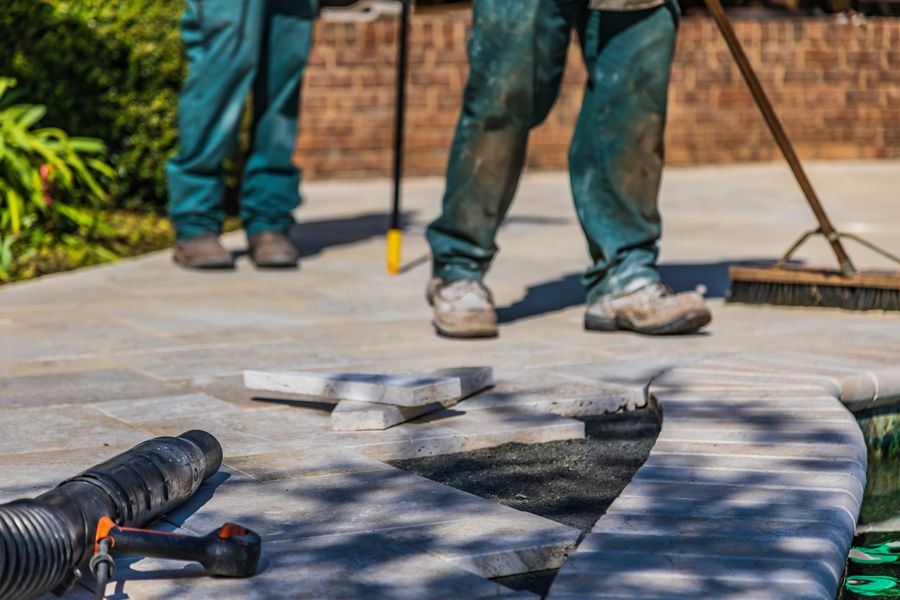
Fliesenleger — tiler — is Germany’s official tiling and cladding trade, technically part of the broader construction-finishing sector alongside plastering and screed work. It is precise, detail-oriented craft work covering bathroom and kitchen tiling, large-format floor and wall installation, and increasingly natural stone and design-focused cladding work.
This guide covers real training pay year by year, what qualifies you to apply as an international candidate, the visa route, and how to actually find a company willing to sign a contract.
What the Training Actually Covers
A 3-year dual Ausbildung covering surface preparation, tile-laying technique and design/finish work.
Fliesenleger training runs 3 years under Germany’s dual system: most of the week working on real installation sites with a company, one to two days a week at a Berufsschule covering materials science (tile types, adhesives, waterproofing systems), technical measurement and layout planning, and finishing technique.
The training ends with a Gesellenpruefung (journeyman’s exam) set by the regional Chamber of Trade (Handwerkskammer). Passing it makes you a fully qualified, nationally recognised Fliesenleger/in, a credential every German employer in the trade recognises identically, whether you trained at a small tiling specialist or a larger construction-finishing contractor.
Training Salary, Year by Year
Pay rises meaningfully by the final year, with real upside for detail-focused, design-capable tilers post-qualification.
Post-qualification pay climbs with specialisation: tilers who develop expertise in large-format tile installation, natural stone work, or design-focused bathroom/kitchen renovation commonly earn EUR3,000-3,800, and the Meister qualification, which opens running your own tiling business, regularly clears EUR4,000 and above.
Who Can Apply: Eligibility for International Candidates
No university degree needed — precision and comfort with detailed, hands-on work matter most.
A completed school qualification broadly equivalent to German Hauptschule/Realschule (10 years of schooling is generally sufficient)
German language ability of at least A2, ideally B1 before applying to companies
Good manual precision and comfort with detailed, methodical work
Physical comfort with kneeling/bending work and lifting tile materials
No prior tiling experience required — the entire trade is taught from scratch during training


The Ausbildungsvisum: How the Visa Route Works
The same Section 16a training-visa route as every other Ausbildung trade.
Reach at least A2, ideally B1, German first
Berufsschule theory and on-site measurement/layout instructions both depend on genuine comprehension.
Apply directly to tiling and construction-finishing companies
Handwerkskammer job boards, the Bundesagentur fuer Arbeit’s Ausbildung portal, and direct outreach to regional Fliesenleger-Betriebe are the main channels.
Apply for the Ausbildungsvisum (Section 16a residence permit)
Once you hold a signed Ausbildungsvertrag, apply at your nearest German embassy or consulate.
Arrange proof of funds if needed
Where the training salary alone does not cover living costs, a blocked account (Sperrkonto, currently around EUR11,904/year) fills the gap.
Travel, register, and begin
Complete address registration (Anmeldung) and start the dual programme — site work plus Berufsschule.
Day-to-Day Work and Specialisation Tracks
Residential bathroom/kitchen work, large-scale commercial installation, and design-focused natural stone work are the three broad tracks.
Residential bathroom and kitchen tiling is the most common day-to-day work for smaller regional tiling companies, involving direct client interaction and detail-focused finish work. Large-scale commercial and new-build installation — office buildings, retail spaces, large floor areas — offers steadier, more structured project-based work with larger construction-finishing contractors.
Natural stone and design-focused cladding work is a smaller, more specialised track for tilers who develop a genuine eye for pattern and material selection over time, and it commands a real pay premium given the skill and material-handling precision it requires — worth raising as an interest directly with a prospective employer.
How to Actually Find a Training Company
Direct outreach to regional tiling specialists and construction-finishing contractors both work well.
Start with your target region’s Handwerkskammer Ausbildung portal, which lists currently open Fliesenleger apprenticeship seats and is free to use. The Bundesagentur fuer Arbeit’s job board separately lists Ausbildung-specific openings. Because tiling companies range from small specialist firms to larger construction-finishing contractors, a direct, well-targeted email — CV, a short motivation letter, and any German language certificate you hold — to five to ten regional companies across both types tends to get faster, more varied responses.
Larger construction-finishing contractors sometimes run structured apprenticeship programmes covering tiling alongside related trades (plastering, screed work), which can be worth considering if you want broader exposure across the construction-finishing sector rather than tiling alone.
Budgeting While You Train
Training pay comfortably covers living costs in most German cities, with a strong final-year jump.
A year-one training salary of EUR800-1,000 covers shared accommodation (typically EUR300-450 a month outside the most expensive cities), food and transport across most German regions. Mandatory health insurance (around EUR100-140 a month, often partly subsidised), a discounted Azubi-Ticket for public transport, and site safety gear (typically provided by the employer) round out the recurring costs worth planning around beyond rent.
Life After Qualification: Career Path and Long-Term Value
A completed Fliesenleger qualification opens a direct route to a long-term German work permit, with genuine design-craft upside.
A completed, nationally recognised Fliesenleger qualification is a direct route to a long-term German work permit and, over time, permanent residency. Post-qualification progression typically runs: qualified journeyman (Geselle) building two to three years of experience, then either specialising further (large-format installation, natural stone, design-focused residential work) or pursuing the Meister qualification, which opens running your own tiling business and training your own apprentices.
Because tiling demand spans both new-build construction and the steady stream of residential/commercial renovation work, this trade offers genuinely consistent long-term demand independent of new-construction cycles specifically — a durable choice worth weighing alongside more construction-cycle-dependent trades.
Where Demand Is Strongest Right Now
Demand is nationwide, tracking both new construction and renovation activity by region.
Bavaria and Baden-Wuerttemberg, with strong new-build construction activity, offer the deepest pool of large-scale commercial installation opportunities. North Rhine-Westphalia and Hamburg, with dense existing housing stock and active renovation markets, offer the strongest residential bathroom/kitchen tiling demand specifically.
Eastern German states typically show a proportionally larger gap between open seats and local applicants, which can mean faster placement for an international candidate genuinely flexible on location and the specific specialisation track.
Tiler Ausbildung in Germany: Complete 2026 Guide at a Glance
Common Mistakes Applicants Make
Frequently Asked Questions
Officially Fliesenleger/in – part of the construction-finishing (Ausbau) trade family alongside plastering and screed work.
3 years under the dual system, split between paid work at a tiling or construction-finishing company and vocational school (Berufsschule).
Training salary starts around EUR800-1,000 in year one and rises to EUR1,050-1,350 by the final year.
Typically EUR2,600-3,400 per month starting out, rising to EUR3,000-3,800 with large-format or natural-stone specialisation, and higher still with the Meister qualification.
No. This is a vocational route open to anyone with a school qualification broadly equivalent to 10 years of schooling; the trade is taught fully from scratch.
A2 is the realistic minimum most companies will consider; B1 makes you meaningfully more competitive, since Berufsschule theory and on-site measurement instructions are both in German.
Less than pure new-build trades — a steady stream of residential and commercial renovation work provides demand that is somewhat independent of new-construction cycles specifically.
Fliesenleger is a specialised finishing trade focused specifically on tile, stone and cladding installation, distinct from Maurer (bricklaying/structural masonry) – the two are often confused but lead to different companies and day-to-day work.
Yes – the Meister (master craftsman) qualification, reachable after a few years of post-qualification experience, opens running your own tiling business and training your own apprentices, the strongest long-term earning path in this trade.
Related Guides & Services
Talk to an Admission Germany Counsellor
Tell us your current qualification and German level, and we will tell you honestly how close you are to a signed Fliesenleger training contract.
Request Free Guidance
Share your details and a counsellor will call you back.
By submitting, you agree to be contacted by our counselling team.