Plumber Ausbildung in Germany: Complete 2026 Guide
Anlagenmechaniker fuer Sanitaer-, Heizungs- und Klimatechnik — Germany’s official plumbing and heating trade — is one of the most acute skill shortages in the country. Here is what the training actually pays, what it takes to qualify, and how an international applicant gets a contract signed.
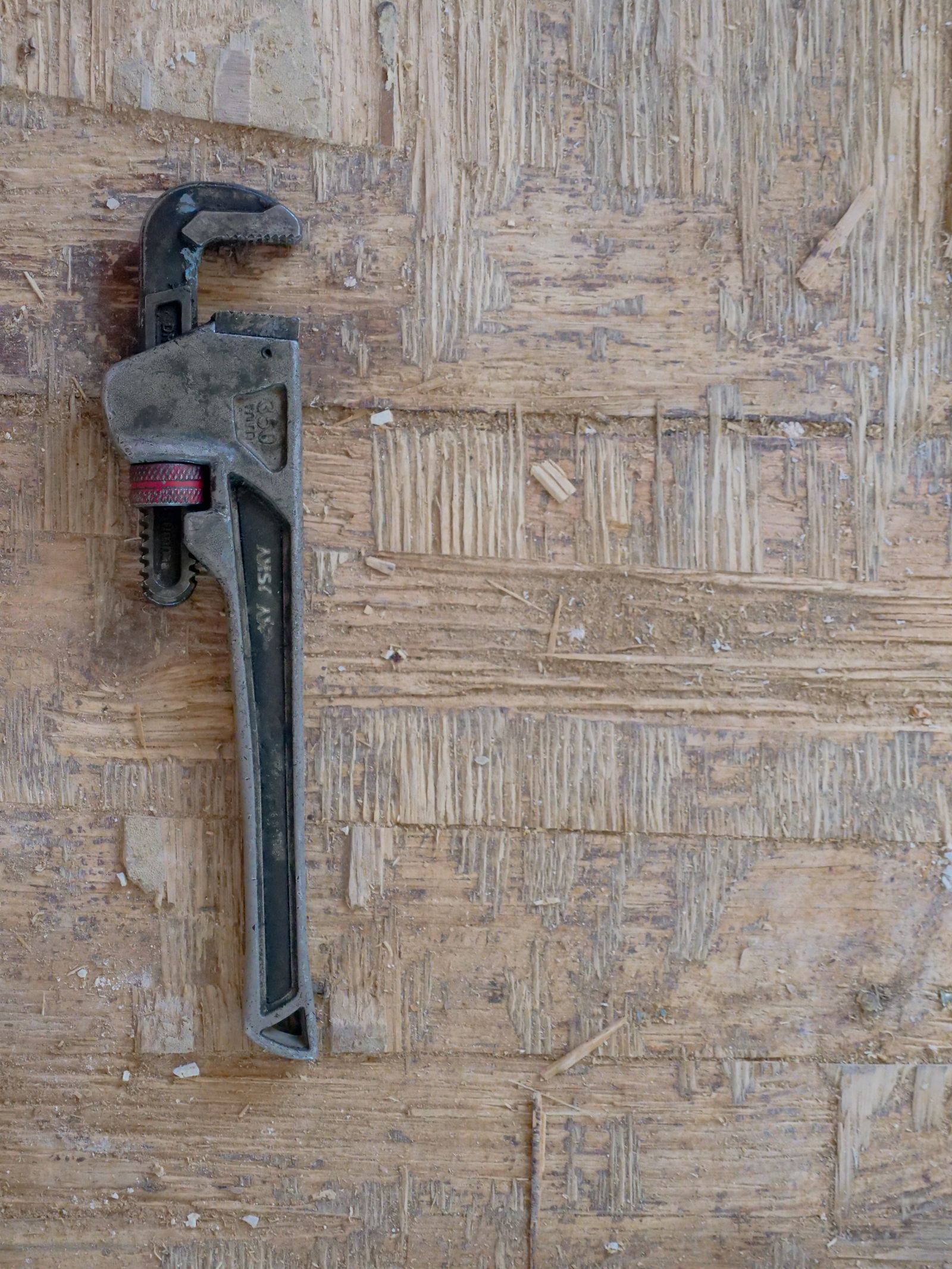
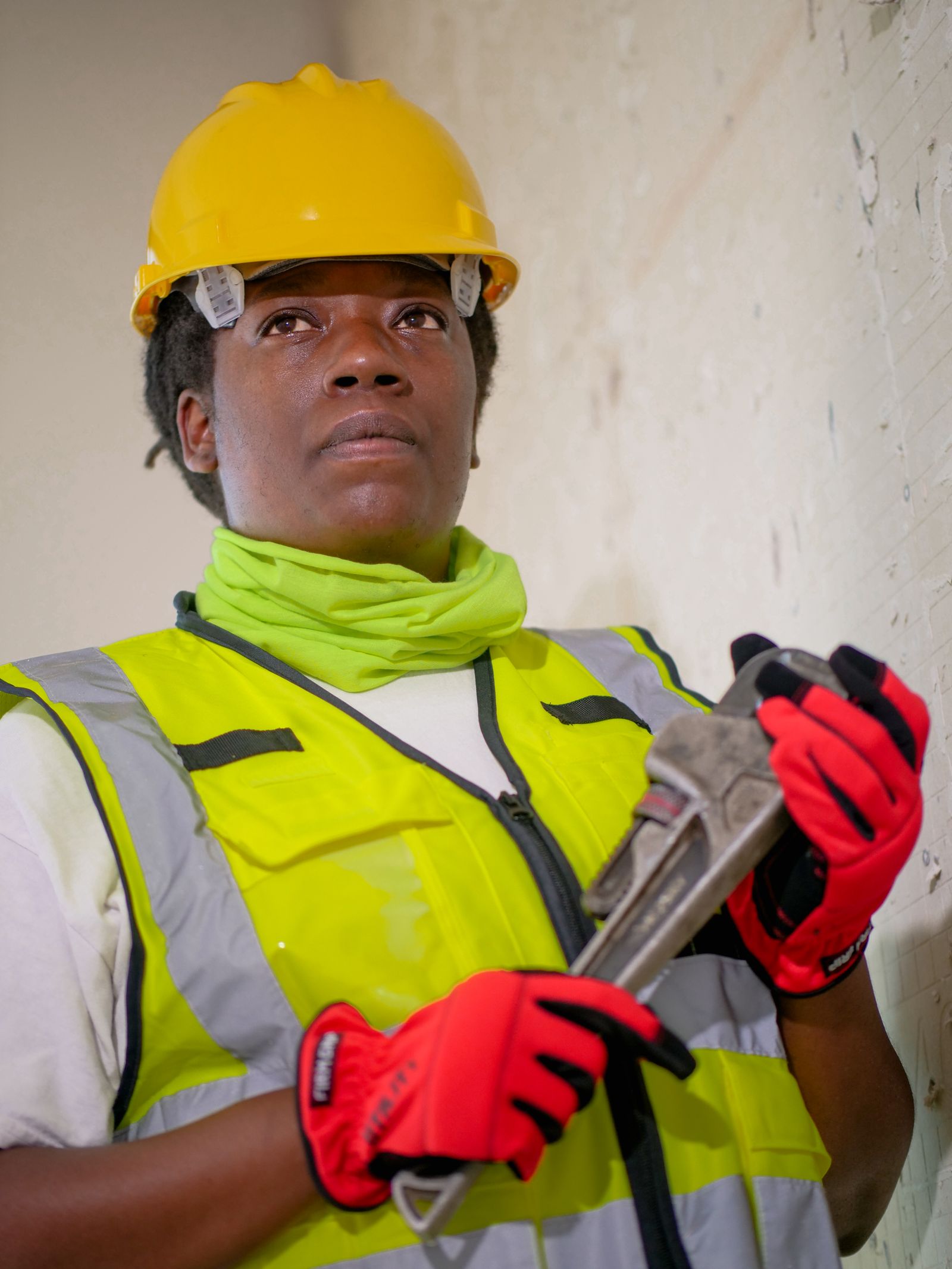
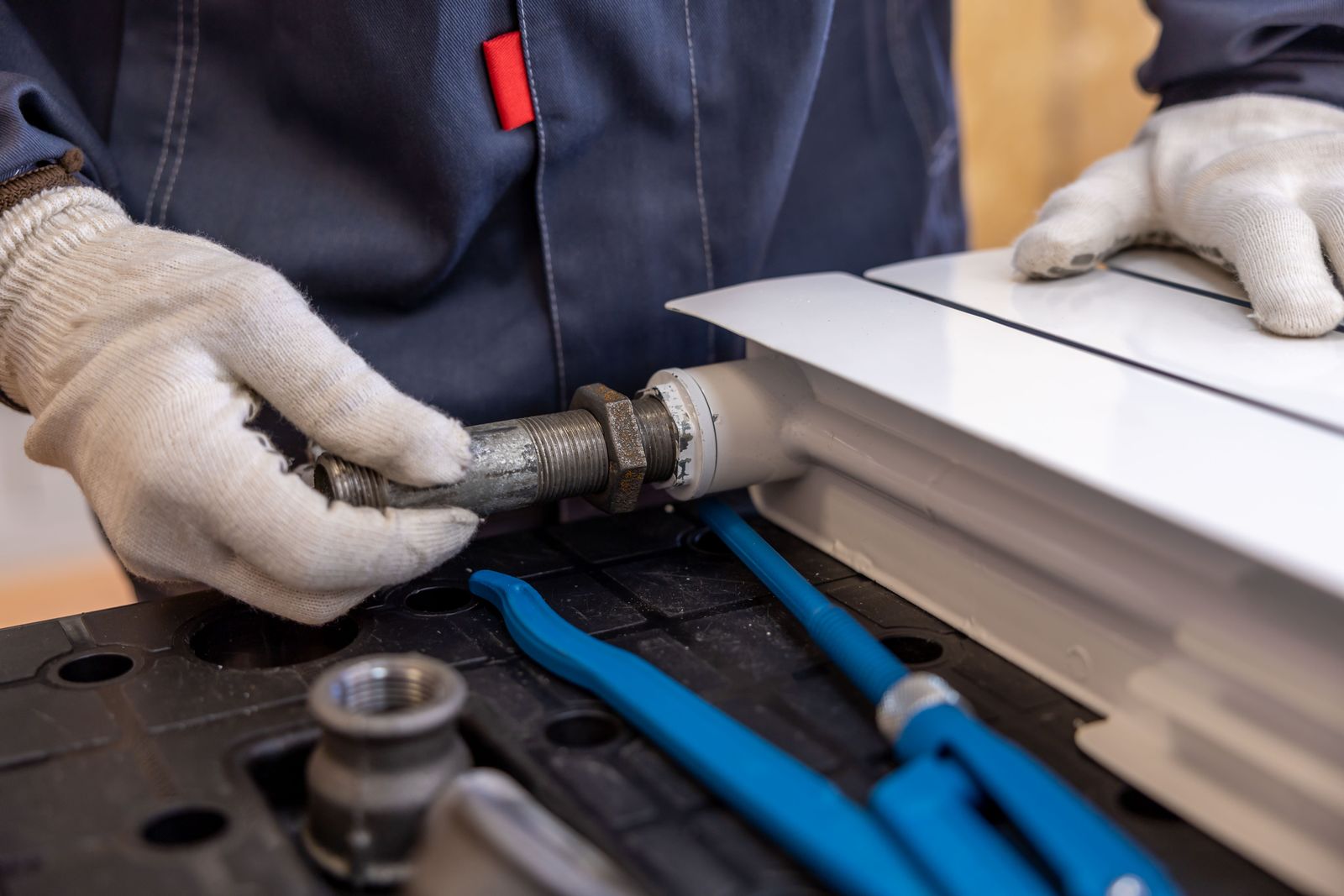
Germany calls the plumbing trade Anlagenmechaniker/in fuer Sanitaer-, Heizungs- und Klimatechnik (SHK) — “systems mechanic for sanitary, heating and air conditioning technology.” It covers everything a plumber does in India or the Gulf plus a lot more: water and gas pipe installation, bathroom fitting, central heating systems, and increasingly heat pumps and solar thermal systems as Germany moves away from gas heating. It is a genuinely future-proof trade, not a shrinking one.
It is also one of the trades Germany’s own industry bodies flag as most short-staffed nationwide, which is exactly why international applicants are actively recruited into it. This guide covers real training pay year by year, what qualifies you to apply, the visa route, and the honest mistakes we see applicants make.
What the Training Actually Covers
A 3.5-year dual Ausbildung split between a real plumbing/heating company and vocational school.
Anlagenmechaniker SHK training runs 3.5 years under Germany’s dual system: roughly three to four days a week working inside a real company on real jobs, one to two days a week at a Berufsschule covering pipefitting theory, heating system design, electrical basics for controls, and increasingly renewable heating technology such as heat pumps.
You are a paid employee of the company from day one, not an unpaid trainee. The training ends with a Gesellenpruefung (journeyman’s exam) set jointly by the regional Chamber of Trade (Handwerkskammer), and passing it makes you a fully qualified, nationally recognised Anlagenmechaniker — a status employers across Germany recognise identically, regardless of which company trained you.
Training Salary, Year by Year
Pay rises every year by law, and plumbing/heating sits comfortably above the legal minimum thanks to the shortage.
These figures sit above the legal minimum training allowance (Mindestausbildungsverguetung, EUR724 gross in year one for anyone starting in 2026) because SHK companies compete hard for apprentices given the shortage. Larger companies and higher-cost states such as Bavaria, Baden-Wuerttemberg and Hessen typically sit at the upper end of each range; smaller regional firms nearer the lower end, though still above the legal floor.
Post-qualification pay climbs quickly with experience: a plumber with three to five years of post-training experience commonly earns EUR3,200-3,800, and those who go on to the Meister (master craftsman) qualification and run their own team or business regularly clear EUR4,500 and above.
Who Can Apply: Eligibility for International Candidates
No university degree needed — this is a vocational route, not an academic one.
A completed school qualification broadly equivalent to German Hauptschule/Realschule (10 years of schooling is generally sufficient; no specific grade cutoff)
German language ability of at least A2, with employers strongly preferring a solid B1 before signing a contract
Basic physical fitness for manual, hands-on work including some heavy lifting and working in confined spaces
Genuine interest in practical, technical problem-solving rather than classroom-only learning
No prior plumbing experience required — the entire trade is taught from scratch during the Ausbildung
The Ausbildungsvisum: How the Visa Route Works
A signed training contract, not a university admission letter, is what the visa is built around.
Reach at least A2, ideally B1, German first
Most SHK companies will not sign a contract with an applicant below A2, and B1 makes you a genuinely competitive candidate against domestic applicants.
Apply directly to plumbing and heating companies
The German Chamber of Trade (Handwerkskammer) job boards, company career pages, and specialist Ausbildung placement agencies are the main channels — a signed Ausbildungsvertrag (training contract) is the prerequisite for everything that follows.
Apply for the Ausbildungsvisum (Section 16a residence permit)
Once you hold a signed training contract, apply at the German embassy or consulate for the dedicated vocational-training visa.
Show proof of funds if your training salary alone is not sufficient
Where the training salary already covers living costs, that salary itself can serve as your financial proof; otherwise a blocked account (Sperrkonto, currently around EUR11,904/year) covers the gap.
Travel and register locally
Register your address (Anmeldung), open a German bank account if you have not already, and get your residence permit card issued after arrival.
Day-to-Day Work and Specialisation Tracks
The trade splits broadly into sanitary/water systems and heating/climate systems, and most Azubis develop a specialisation by the final year.
Sanitary-focused work covers bathroom and kitchen plumbing installation, water supply and drainage systems, and increasingly water-efficiency retrofits. Heating-focused work covers boiler and heat pump installation, radiator and underfloor heating systems, and climate/ventilation systems in both residential and commercial buildings.
Germany’s push away from gas heating toward heat pumps under its building energy law (Gebaeudeenergiegesetz) has made heat-pump installation and servicing specifically one of the fastest-growing, best-paid specialisations inside this trade — worth flagging an interest in early with a prospective employer if it appeals to you, since companies are actively building out this capability and value apprentices willing to specialise in it.
How to Actually Find a Training Company
Direct outreach consistently outperforms passive job-board applications for this trade.
The Handwerkskammer (regional Chamber of Trade) for each German state runs its own Ausbildung placement portal listing open plumbing/heating apprenticeship seats by region — this is the single most reliable, scam-free starting point and costs nothing to use. Company career pages of established SHK firms, and the Bundesagentur fuer Arbeit’s own job board (which lists Ausbildung seats specifically, separate from regular job listings), are the other two channels worth working in parallel.
A short, specific application — CV, a one-page motivation letter explaining genuinely why plumbing/heating specifically, and any German language certificate you already hold — sent directly to five to ten regional companies tends to get faster responses than a single generic application through a large portal. Many SHK companies are small, owner-run businesses that respond personally and quickly to a well-targeted email.
German Language: What Level You Actually Need
A2 is the realistic minimum to get hired; B1 is what makes you competitive.
Berufsschule instruction is entirely in German, covering both trade theory (pipe sizing calculations, heating load calculations, safety regulations) and general subjects, so language ability is not just an interview formality — it determines whether you can actually follow and pass the coursework. On-site work also requires clear communication with colleagues and, in service/repair roles, directly with customers.
Our German language exam preparation guide covers how to build and certify A2/B1 ability before you start applying — do this before contacting companies, not after, since a certified level on your CV is what gets applications taken seriously in a competitive-for-seats-per-region market.
Budgeting While You Train
Training pay covers real living costs in most German cities, but the margin varies a lot by region.
A year-one SHK training salary of EUR850-1,000 covers basic living costs comfortably in smaller cities and eastern German states, where shared accommodation commonly runs EUR300-450 a month. In higher-cost cities such as Munich, Stuttgart or Frankfurt, the same salary is workable but tighter, particularly in the first year before pay rises — budgeting an extra EUR100-200 a month buffer, or choosing a training company in a mid-sized city, meaningfully reduces first-year financial stress.
Health insurance (mandatory and typically around EUR100-140 a month for apprentices, often partly subsidised by the employer), a GEZ broadcasting fee, and a public transport pass (many regions now offer a discounted or free Azubi-Ticket) are the recurring costs worth planning for beyond rent and food when you first calculate whether a specific company’s offer is realistic to live on.
Ausbildung vs University: Which Fits You Better
Both are genuinely valid, well-respected German pathways — the right choice depends on how you want to spend the next several years.
An Ausbildung pays you a salary from day one, gets you working in a real trade within weeks, and leads to a nationally recognised qualification and, commonly, a direct job offer from your training company in 3-3.5 years. A university degree (see our Masters in Germany guide) takes longer, usually costs more in living expenses before you start earning, but opens a different set of career ceilings, particularly for roles requiring an academic qualification specifically.
Neither is objectively “better” — a strong SHK Ausbildung graduate with a few years of specialisation (heat pumps especially) commonly out-earns many early-career university graduates in Germany, while some career paths are simply not accessible without a degree. If you enjoy hands-on, practical technical work and want to start earning sooner rather than later, this trade is a genuinely strong choice, not a fallback from an academic route.
Where Demand Is Strongest Right Now
The shortage is nationwide, but a few regions are recruiting harder than others.
Bavaria, Baden-Wuerttemberg and North Rhine-Westphalia consistently report the largest absolute number of unfilled SHK apprenticeship seats, simply because they have the largest populations and construction volumes, but they also pay toward the higher end of the training-salary range quoted earlier. Eastern German states (Saxony, Thuringia, Saxony-Anhalt) report a proportionally even sharper gap between open seats and local applicants, which can mean faster, less competitive placement for an international candidate willing to train there, even if the headline salary sits a little lower.
A practical way to use this: if you are flexible on location, casting a wider net across two or three regions rather than fixating on one specific city meaningfully improves both your odds of a signed contract and your negotiating position, since companies in the highest-shortage regions have less room to be selective.
Life After Qualification: Career Path and Long-Term Value
A completed Anlagenmechaniker qualification opens a direct, well-mapped career ladder.
A completed, nationally recognised Ausbildung is one of the more direct routes to a long-term German work permit and, over time, permanent residency. Post-qualification progression typically runs: qualified journeyman (Geselle) for two to three years building experience, then either specialising further (heat pumps, commercial systems, project supervision) or pursuing the Meister qualification, which qualifies you to run your own company, train apprentices yourself, and command the highest pay ceiling in the trade.
The qualification itself also travels: Germany’s dual vocational system is widely respected internationally, and within the EU specific mutual-recognition frameworks exist for regulated trades, making it realistic to work elsewhere in Europe later if your plans change.
Plumber Ausbildung in Germany: Complete 2026 Guide at a Glance
Common Mistakes Applicants Make
Frequently Asked Questions
Officially Anlagenmechaniker/in fuer Sanitaer-, Heizungs- und Klimatechnik (SHK) — systems mechanic for sanitary, heating and air conditioning technology. It covers plumbing, heating and climate systems together.
3.5 years under the dual system, split between paid work at a company and vocational school (Berufsschule).
Training salary starts around EUR850-1,000 in year one and rises to EUR1,100-1,300 by the final months, above the legal minimum of EUR724.
Typically EUR2,800-3,400 per month immediately after qualification, rising to EUR3,200-3,800 with a few years of experience, and higher still with the Meister qualification.
No. This is a vocational route open to anyone with a school qualification broadly equivalent to 10 years of schooling — no degree or prior plumbing experience required.
A2 is the realistic minimum most companies will consider; B1 makes you meaningfully more competitive, since Berufsschule theory and much of the on-site work happen entirely in German.
Yes — SHK is consistently flagged as one of Germany’s most short-staffed trades nationally, which is why companies actively recruit and sponsor international Azubis for it.
Bavaria, Baden-Wuerttemberg and North Rhine-Westphalia have the largest number of open seats and pay toward the higher end of the range, while eastern German states show a proportionally sharper shortage that can mean faster placement for a flexible applicant.
It is possible but not simple — Germany’s Ausbildung system is trade-specific, so switching generally means restarting with a new employer and, often, a new training contract. It is worth being genuinely sure about the trade before signing, rather than treating it as easy to change later.
Related Guides & Services
Talk to an Admission Germany Counsellor
Tell us your current qualification and German level, and we will tell you honestly how close you are to a signed Anlagenmechaniker training contract.
Request Free Guidance
Share your details and a counsellor will call you back.
By submitting, you agree to be contacted by our counselling team.